Christmas - Festival of Joy
Celebrating the birth of Jesus Christ and the spirit of giving
Religious Significance
Celebrating the birth of Jesus Christ in Bethlehem
Season of Giving
Exchanging gifts as a symbol of the Magi's offerings
Festive Traditions
Decorating trees, homes, and sharing meals with family
About Christmas
Christmas is an annual festival commemorating the birth of Jesus Christ, observed primarily on December 25 as a religious and cultural celebration among billions of people around the world. It is a feast central to the Christian liturgical year, but is also celebrated culturally by many non-Christians.
The traditional Christmas narrative, the Nativity of Jesus, delineated in the New Testament says that Jesus was born in Bethlehem, in accordance with messianic prophecies. Joseph and Mary, his mother, traveled from Nazareth to Bethlehem for the census, and Jesus was born there in a stable and laid in a manger.
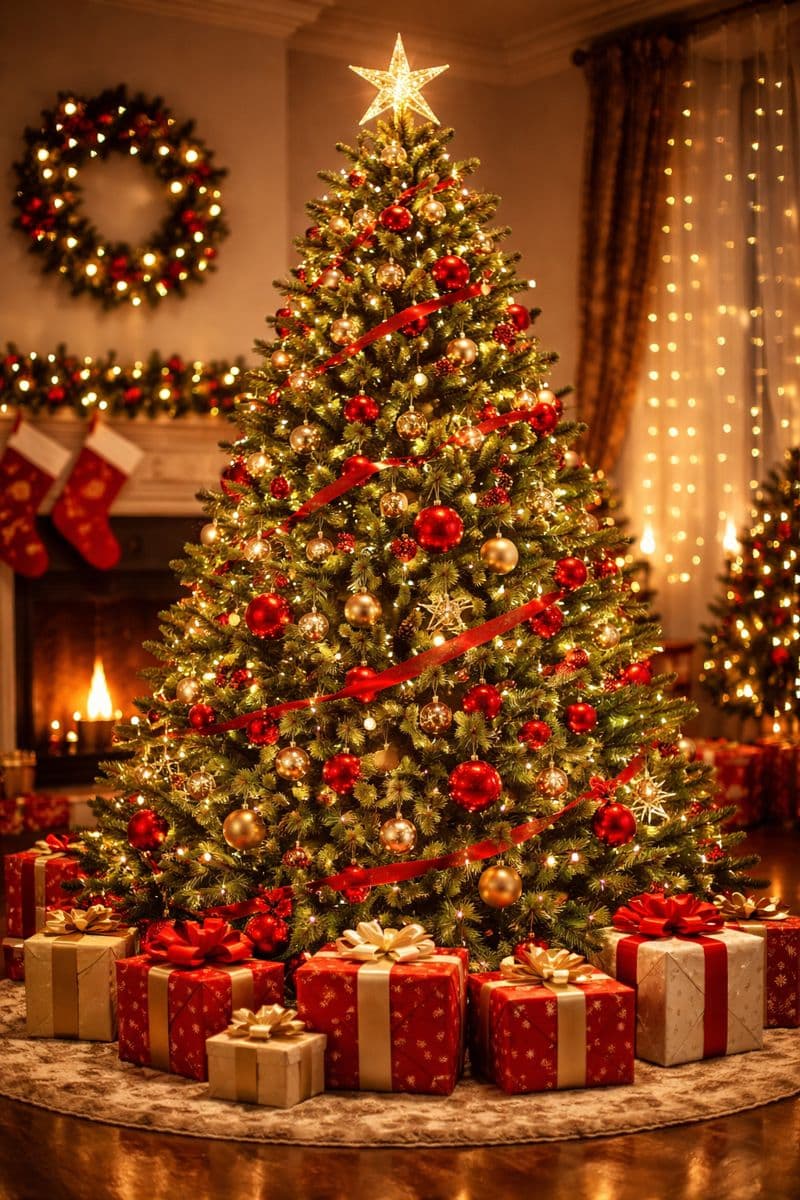
Traditional Christmas tree
Christmas Traditions
Home Decorations
Homes are decorated with Christmas trees, lights, wreaths, and nativity scenes depicting the birth of Jesus. Many also hang stockings for Santa to fill with gifts.
Christmas Dinner
Families gather for a special meal that often includes roast turkey, ham, potatoes, vegetables, and special desserts like Christmas pudding or fruitcake.
Gift Giving
Exchanging gifts is a central part of Christmas celebration, symbolizing the gifts given to Jesus by the Magi. Many children believe Santa Claus delivers presents.
Carol Singing
Christmas carols are sung in churches and neighborhoods, spreading the message of Christmas. Popular carols include Silent Night, Jingle Bells, and O Holy Night.
Christmas Gallery
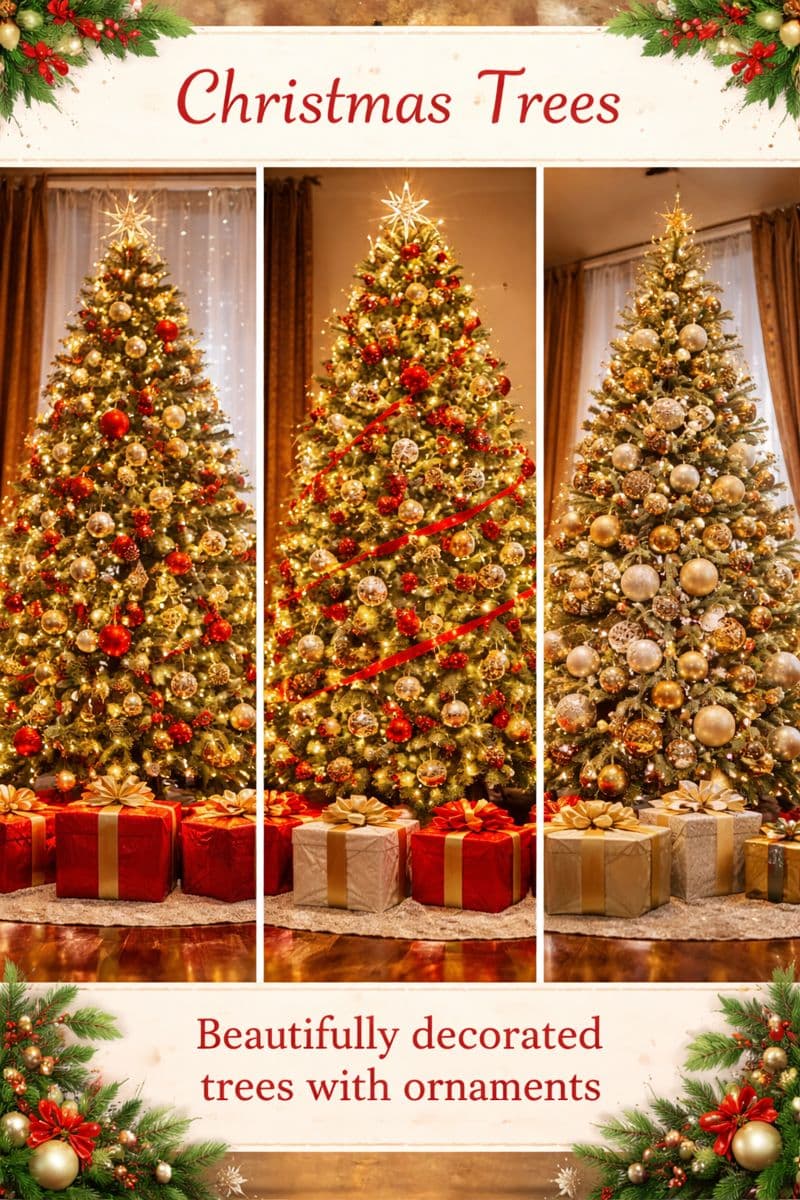
Christmas Trees
Beautifully decorated trees with ornaments
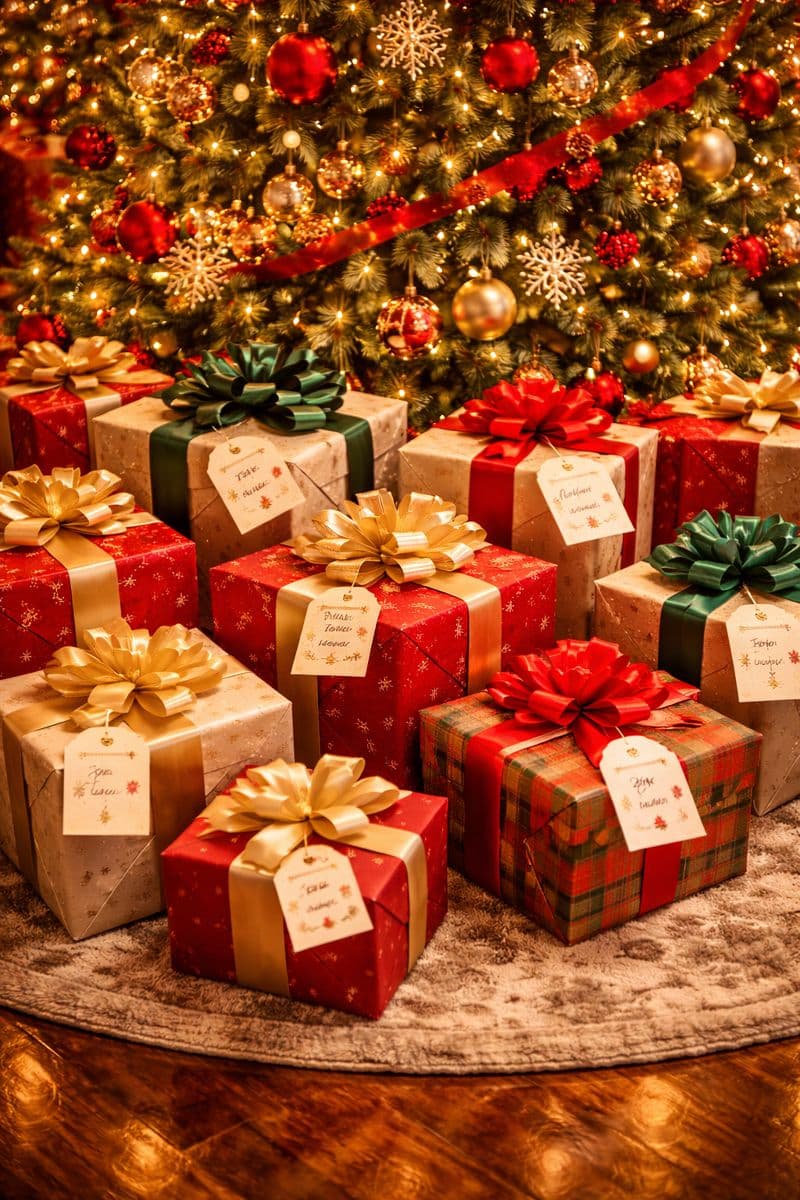
Gift Exchange
Presents wrapped under the Christmas tree
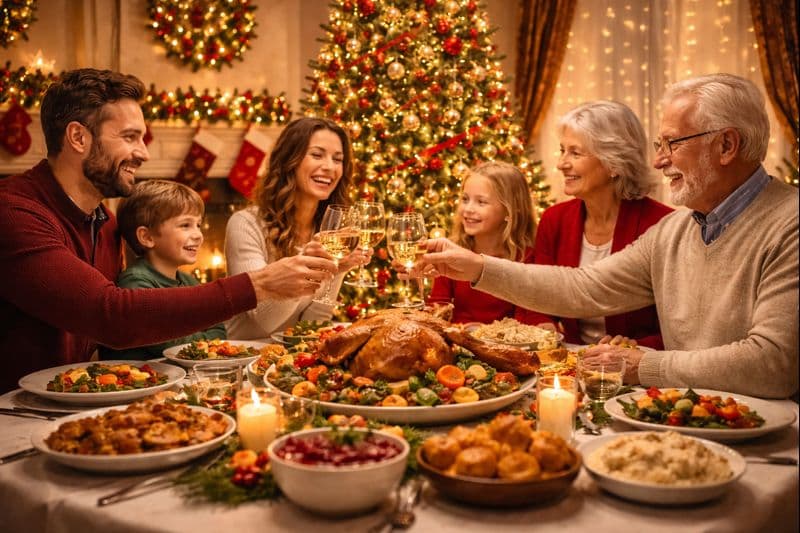
Festive Meals
Traditional Christmas dinner with family
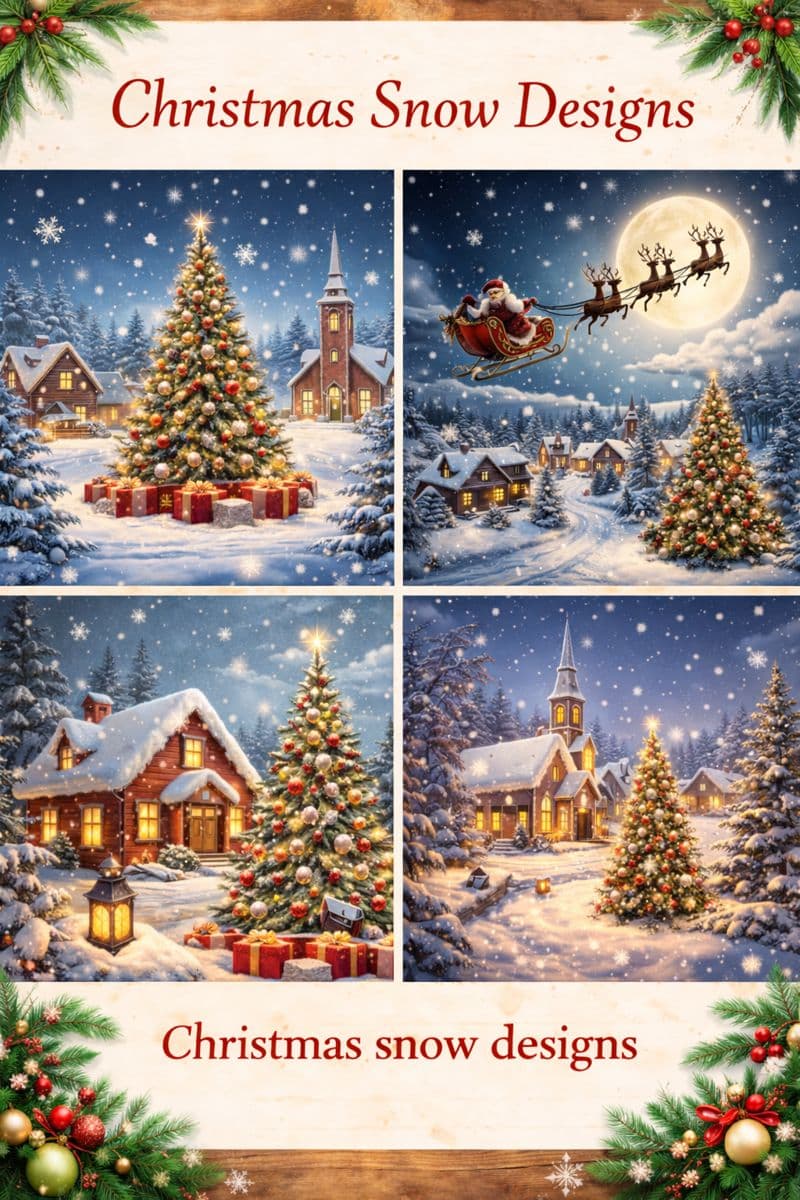
Winter Fun
Building snowmen and winter activities
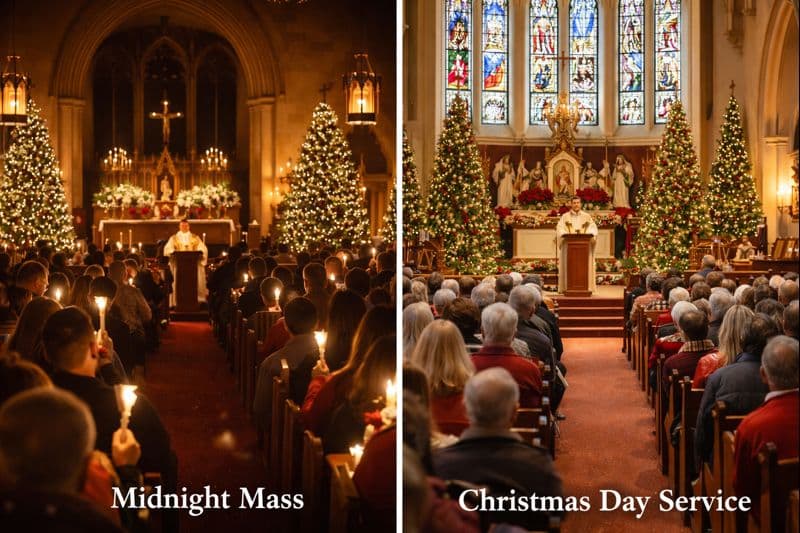
Church Services
Midnight mass and Christmas day services
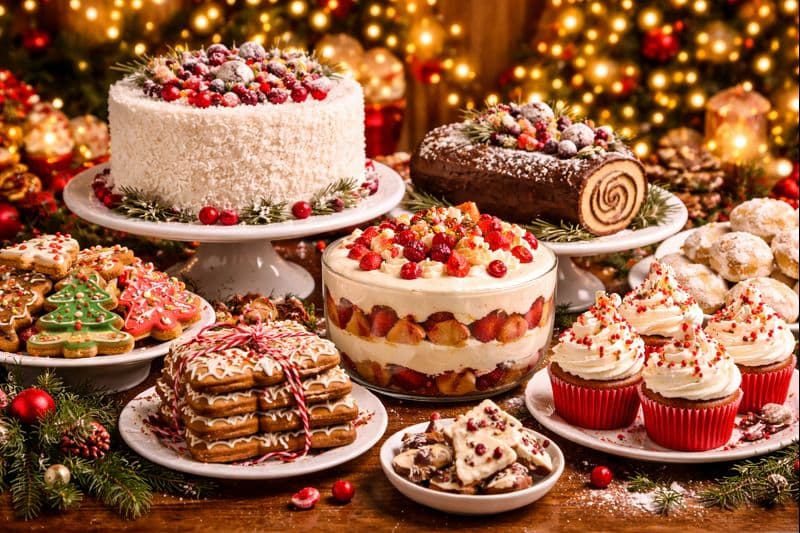
Christmas Treats
Special sweets and desserts for the season
Explore Other Festivals
Discover the rich cultural heritage through diverse festivals
Meaningful Christmas Celebration
Give to Others
Donate to charity or volunteer your time to help those in need during the holiday season.
Eco-Friendly Celebrations
Use LED lights, natural decorations, and sustainable gift wrapping to reduce environmental impact.
Focus on Family
Spend quality time with loved ones and create meaningful traditions beyond material gifts.