Akṣaya Tritiya - The Eternal Third
Celebrating Eternal Prosperity, Abundance, and New Beginnings
Eternal Prosperity
Believed to be the most auspicious day for new ventures and investments
Agricultural Significance
Marks the beginning of the agricultural year in many regions
Charity & Donations
Acts of charity performed on this day are believed to bring eternal merit
About Akṣaya Tritiya
Akṣaya Tritiya, also known as Akti or Akha Teej, is a highly auspicious day in Hinduism and Jainism that falls on the third tithi (lunar day) of the bright half (Shukla Paksha) of the Hindu month of Vaishakha. The word "Akṣaya" means "never diminishing" in Sanskrit, and the day is believed to bring eternal success and good fortune.
This festival is considered one of the most auspicious days of the Hindu calendar. Any meaningful activity started on this day is believed to grow and bring prosperity. It's particularly significant for:
- Beginning new ventures and business initiatives
- Purchasing gold, property, and other valuable assets
- Performing religious ceremonies and rituals
- Making investments and financial planning
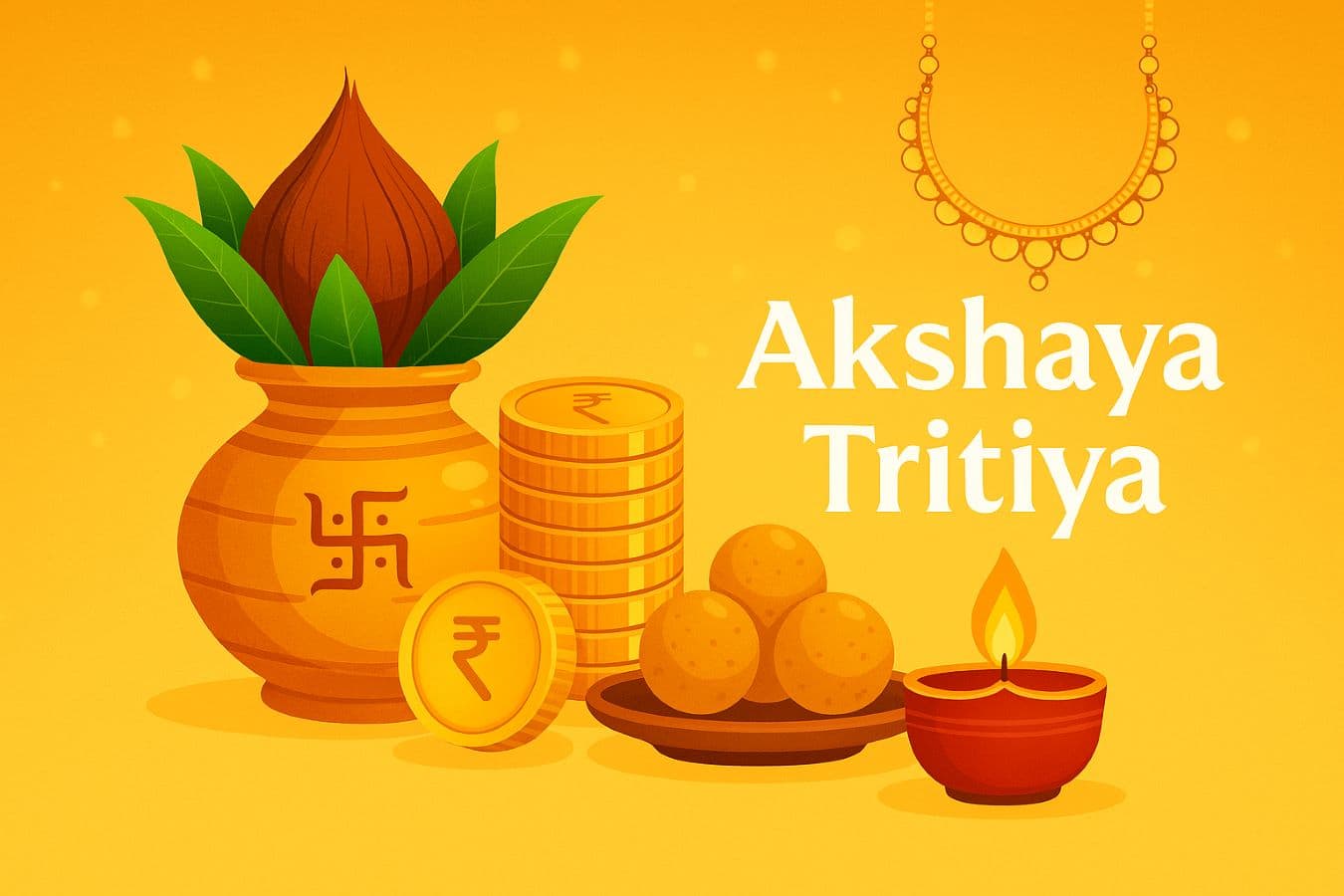
Happy Akṣaya Tritiya
Gold & Jewelry Purchases
Akṣaya Tritiya Traditions
Gold Purchases
Buying gold on Akṣaya Tritiya is considered extremely auspicious as it symbolizes growing prosperity and is believed to bring good luck throughout the year.
Religious Observances
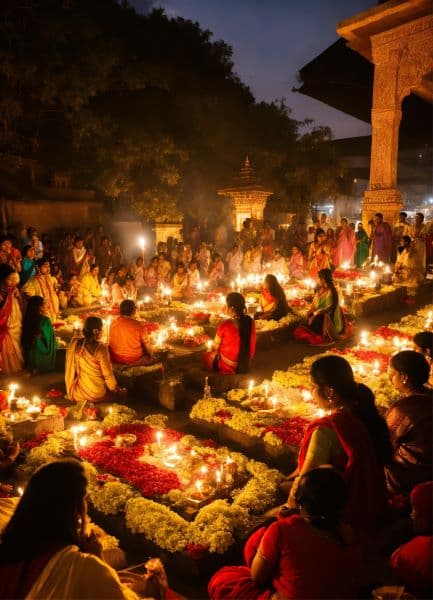
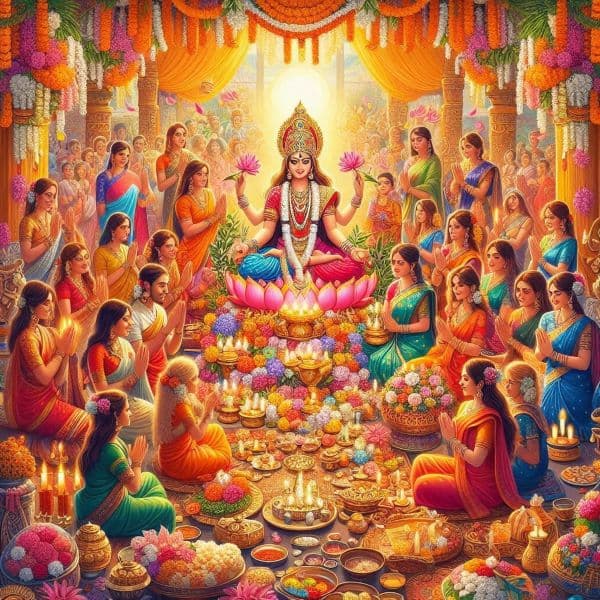
Devotees observe fasts, perform pujas, and offer prayers to Lord Vishnu and Goddess Lakshmi. Many also bathe in holy rivers, especially the Ganges.
Charity & Donations
Donating food, clothes, grains, and other essentials to the needy is considered highly meritorious on this day. The benefits of such acts are believed to be eternal.
New Ventures
Starting new businesses, signing important contracts, or making significant investments on Akṣaya Tritiya is believed to ensure their success and growth.
Mythological Significance
Hindu Legends
Several important events in Hindu mythology are associated with Akṣaya Tritiya:
- The day when the Treta Yuga began
- Birth anniversary of Lord Parasurama, the sixth avatar of Vishnu
- The day when the river Ganges descended to Earth
- When Sudama visited Lord Krishna with a handful of beaten rice
Jain Tradition
In Jainism, Akṣaya Tritiya is celebrated to commemorate the first Tirthankara, Rishabhadeva. It marks the end of his one-year fast by consuming sugarcane juice poured into his cupped hands.
Universal Auspiciousness
Unlike most Hindu festivals that have specific muhurtas (auspicious timings), the entire day of Akṣaya Tritiya is considered auspicious for all activities.