Ganesh Chaturthi - The Remover of Obstacles
Celebrating the Birth of Lord Ganesha with 10 Days of Divine Festivities
Remover of Obstacles
Lord Ganesha is worshipped first as Vighnaharta to remove all hurdles
10-Day Celebration
Elaborate festivities with idol installation and grand immersion
Modak Delicacies
Special sweet offerings that please Lord Ganesha the most
About Ganesh Chaturthi
Ganesh Chaturthi, also known as Vinayaka Chaturthi, is a Hindu festival celebrating the birth of Lord Ganesha, the elephant-headed god of wisdom, prosperity, and good fortune. This vibrant festival typically falls in the Hindu month of Bhadrapada (August-September) and lasts for 10 days, culminating in Anant Chaturdashi.
The festival begins with the installation of beautifully crafted Ganesha idols in homes and public pandals. These idols are worshipped for 10 days with various rituals, prayers, and offerings. On the final day, the idols are taken in grand processions to be immersed in water bodies, symbolizing Ganesha's return to his celestial abode.
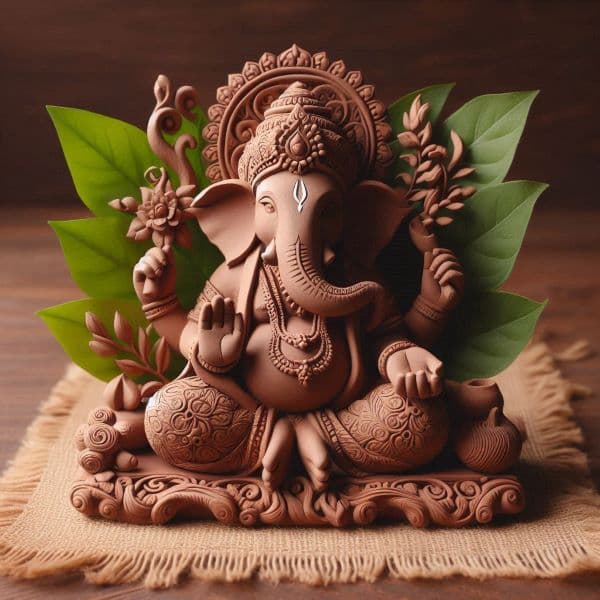
Traditional Ganesha Idol
Symbol of Wisdom
Ganesh Chaturthi Traditions
Idol Installation
Families and communities install Ganesha idols in beautifully decorated pandals and homes. The installation is accompanied by the Pranapratishtha ceremony to invoke divine presence.
Daily Rituals
Throughout the 10 days, devotees perform aarti, offer prayers, flowers, and specially prepared food. The Shodashopachara (16-step worship) is commonly performed.
Modak Offering
Modak, a sweet dumpling filled with jaggery and coconut, is considered Lord Ganesha's favorite food. Twenty-one modaks are traditionally offered during worship.
Visarjan
The festival concludes with the immersion (Visarjan) of idols in water bodies. Grand processions with music, dance, and chanting fill the streets during immersion.
Significance of Lord Ganesha
God of Wisdom
Ganesha is revered as the deity of intellect and wisdom. Students and scholars pray to him for success in education and endeavors requiring mental clarity.
Remover of Obstacles
As Vighnaharta, Ganesha removes obstacles from the path of devotees. He is worshipped before beginning any new venture or important task.
Symbol of Prosperity
Ganesha is associated with wealth and abundance. His large belly symbolizes the universe and his ability to swallow the sorrows of the world.
Patron of Arts
Ganesha is considered the lord of arts and sciences. He is the scribe who wrote the Mahabharata epic as dictated by Vyasa.
Frequently Asked Questions
Why is Ganesh Chaturthi celebrated for 10 days?
The 10-day celebration symbolizes the period between Ganesha's birth and his return to Mount Kailash to his parents, Lord Shiva and Goddess Parvati. Each day represents different aspects of worship and devotion.
What is the significance of modak in Ganesh worship?
Modak is believed to be Lord Ganesha's favorite food. The sweet dumpling symbolizes the sweetness of spiritual attainment. Offering 21 modaks represents completeness and satisfaction of all desires.
Why is Ganesha worshipped before other gods?
According to Hindu mythology, Ganesha is the remover of obstacles (Vighnaharta). Worshipping him first ensures that the subsequent rituals proceed without hindrances and are completed successfully.
What is the story behind Ganesha's elephant head?
According to legend, Goddess Parvati created Ganesha from turmeric paste to guard her chamber. When Lord Shiva was denied entry, he beheaded Ganesha. Later, Shiva replaced the head with that of an elephant, bringing him back to life.
How can I celebrate Ganesh Chaturthi eco-friendly?
Use idols made from natural clay, avoid chemical paints, use flowers and decorations that are biodegradable, opt for symbolic immersion in a water tank, and minimize plastic use during celebrations.
What are the main rituals performed during Ganesh Chaturthi?
Key rituals include Pranapratishtha (invoking life into the idol), Shodashopachara (16-step worship), daily aarti, offering of modaks and other sweets, and finally Visarjan (immersion) with grand processions.
Ganesh Chaturthi Gallery
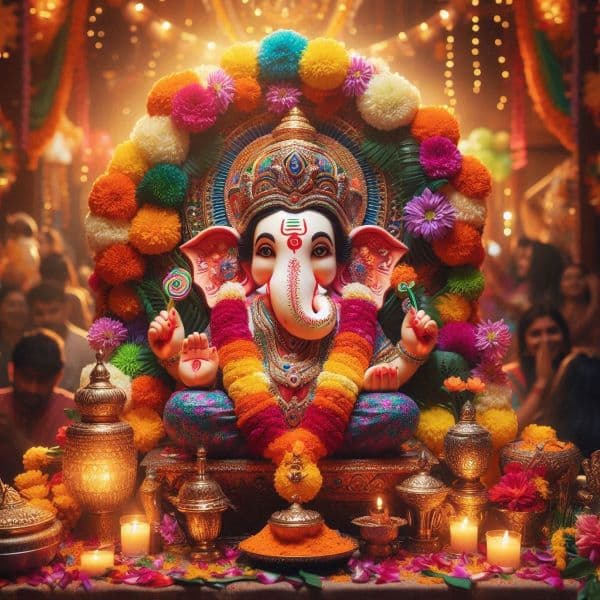
Ganesha Idols
Beautifully crafted idols in various sizes
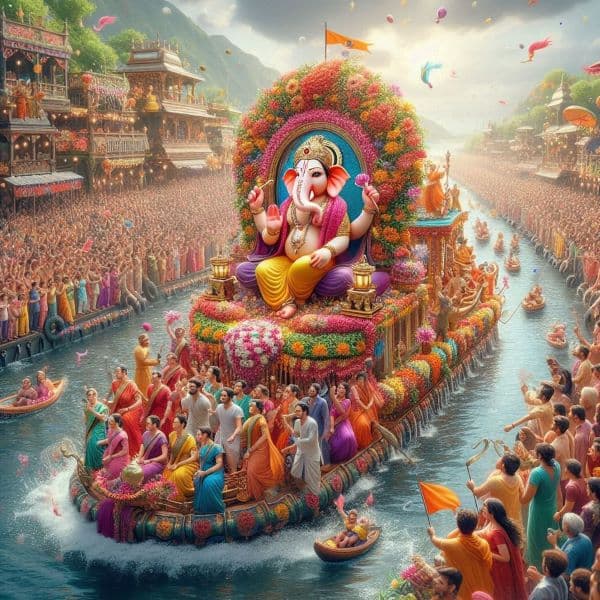
Visarjan Procession
Grand immersion ceremonies
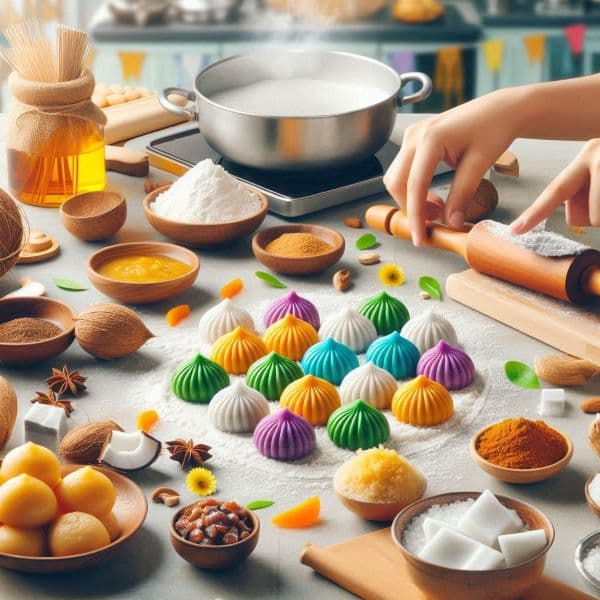
Modak Preparation
Traditional sweet offerings
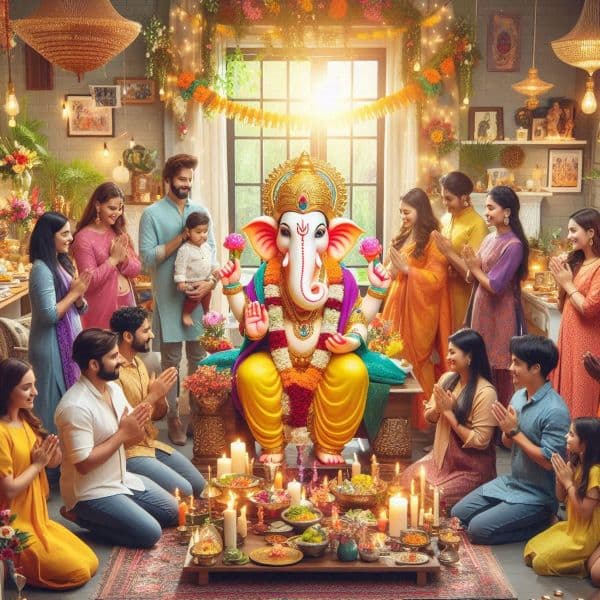
Daily Aarti
Devotional prayers and rituals
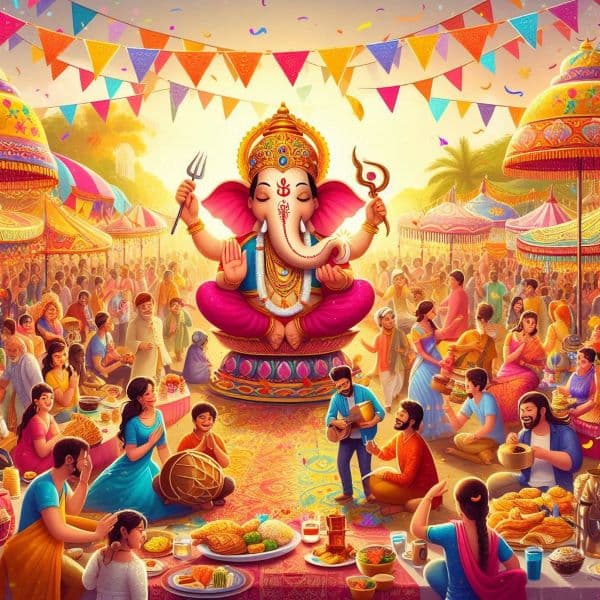
Cultural Programs
Music, dance, and performances
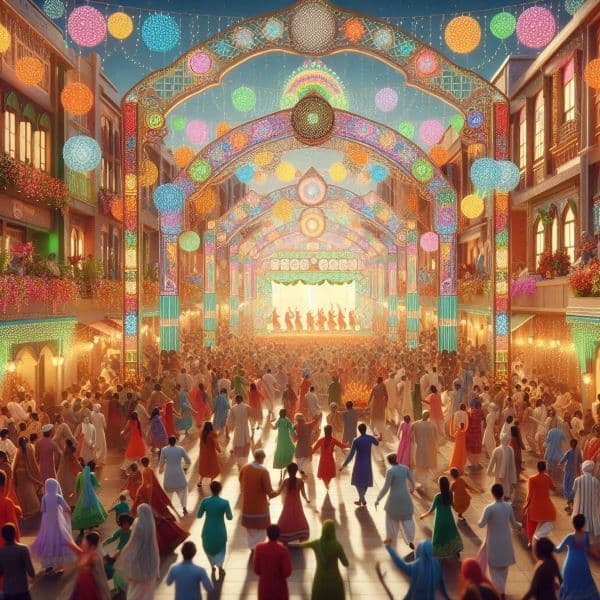
Community Celebrations
Public pandals and gatherings
Explore Other Festivals
Discover the rich cultural heritage through diverse festivals
Eco-Friendly Ganesh Chaturthi Celebration
Eco-Friendly Idols
Use idols made from natural clay instead of plaster of Paris to prevent water pollution and environmental damage.
Natural Colors
Use natural, water-soluble colors for painting idols instead of chemical-based paints that harm aquatic life.
Symbolic Immersion
Consider symbolic immersion in a water tank at home instead of natural water bodies to protect the environment.