Ramadan - Holy Month of Fasting
A month of fasting, prayer, reflection, and community
Spiritual Reflection
A time for self-reflection, increased devotion, and worship
Fasting & Prayer
Observing Sawm from dawn to sunset and increased prayers
Community & Charity
Strengthening community bonds and giving to those in need
About Ramadan
Ramadan is the ninth month of the Islamic lunar calendar and is observed by Muslims worldwide as a month of fasting, prayer, reflection, and community. It commemorates the first revelation of the Quran to Muhammad according to Islamic belief.
This annual observance is regarded as one of the Five Pillars of Islam. The month lasts 29-30 days based on the visual sightings of the crescent moon. Fasting from dawn to sunset is obligatory for all adult Muslims except those who are ill, traveling, pregnant, breastfeeding, diabetic, or going through menstrual bleeding.
Mosque during Ramadan
Ramadan Traditions
Suhoor
The pre-dawn meal before the fast begins. Muslims wake up early to eat suhoor, which provides energy for the day of fasting ahead.
Iftar
The evening meal to break the fast at sunset. Traditionally, the fast is broken with dates and water, followed by a larger meal.
Taraweeh Prayers
Special nightly prayers performed after the evening prayer. The entire Quran is often recited over the course of the month during these prayers.
Zakat & Sadaqah
Increased charity and giving during Ramadan. Many Muslims pay their Zakat (obligatory charity) during this month and give additional Sadaqah (voluntary charity).
Ramadan Gallery
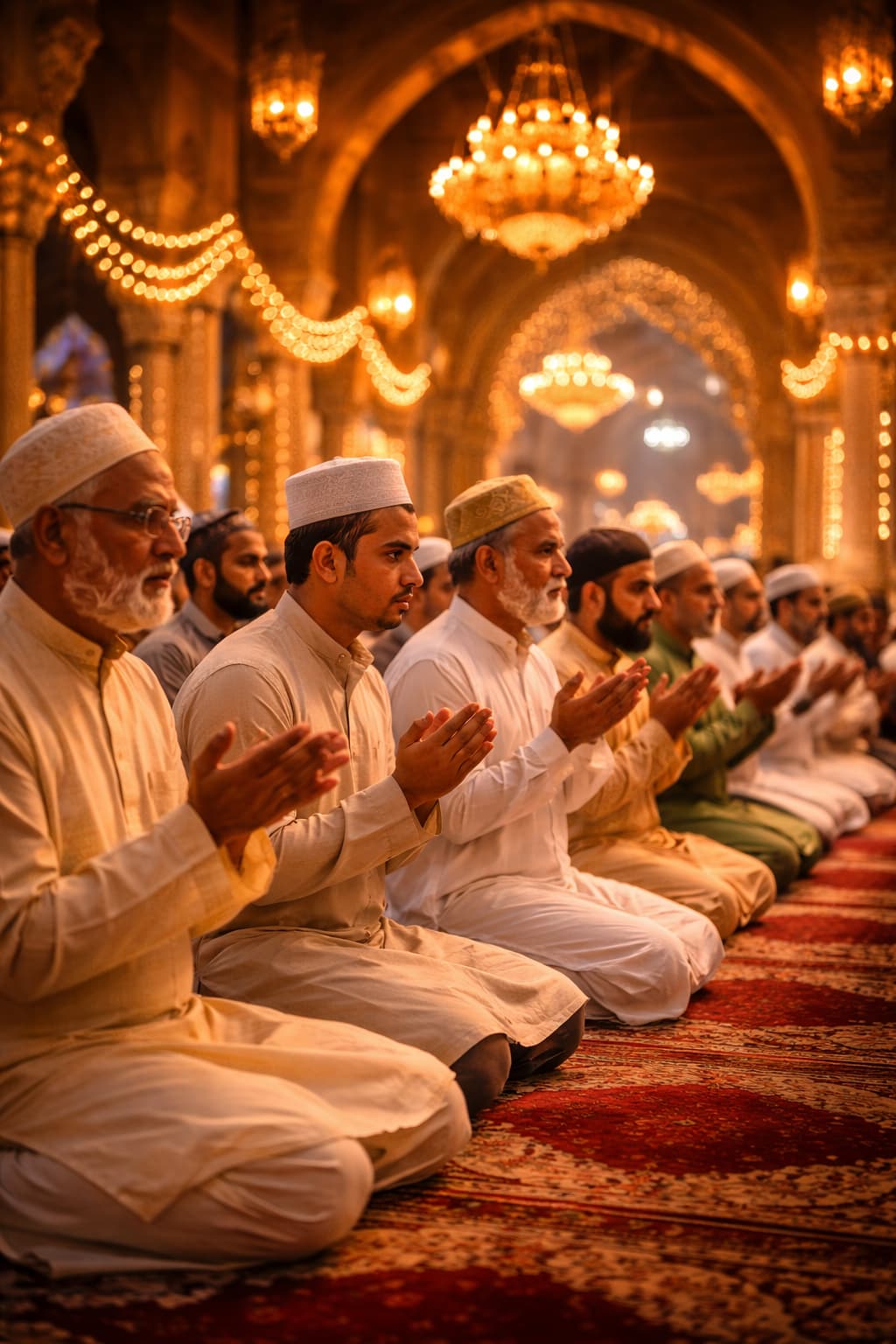
Mosque Prayers
Special prayers during Ramadan nights
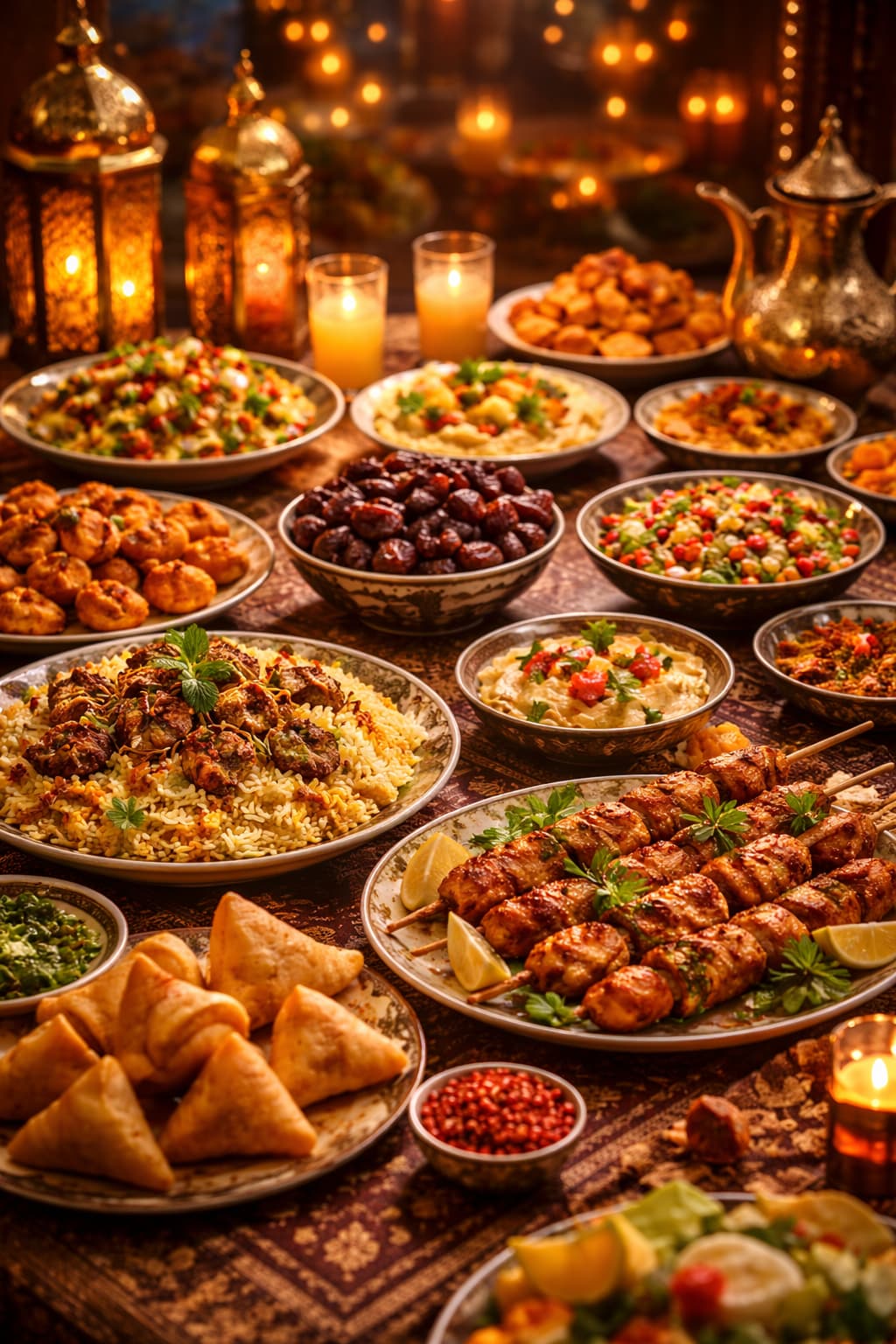
Iftar Meals
Community iftar gatherings to break fast
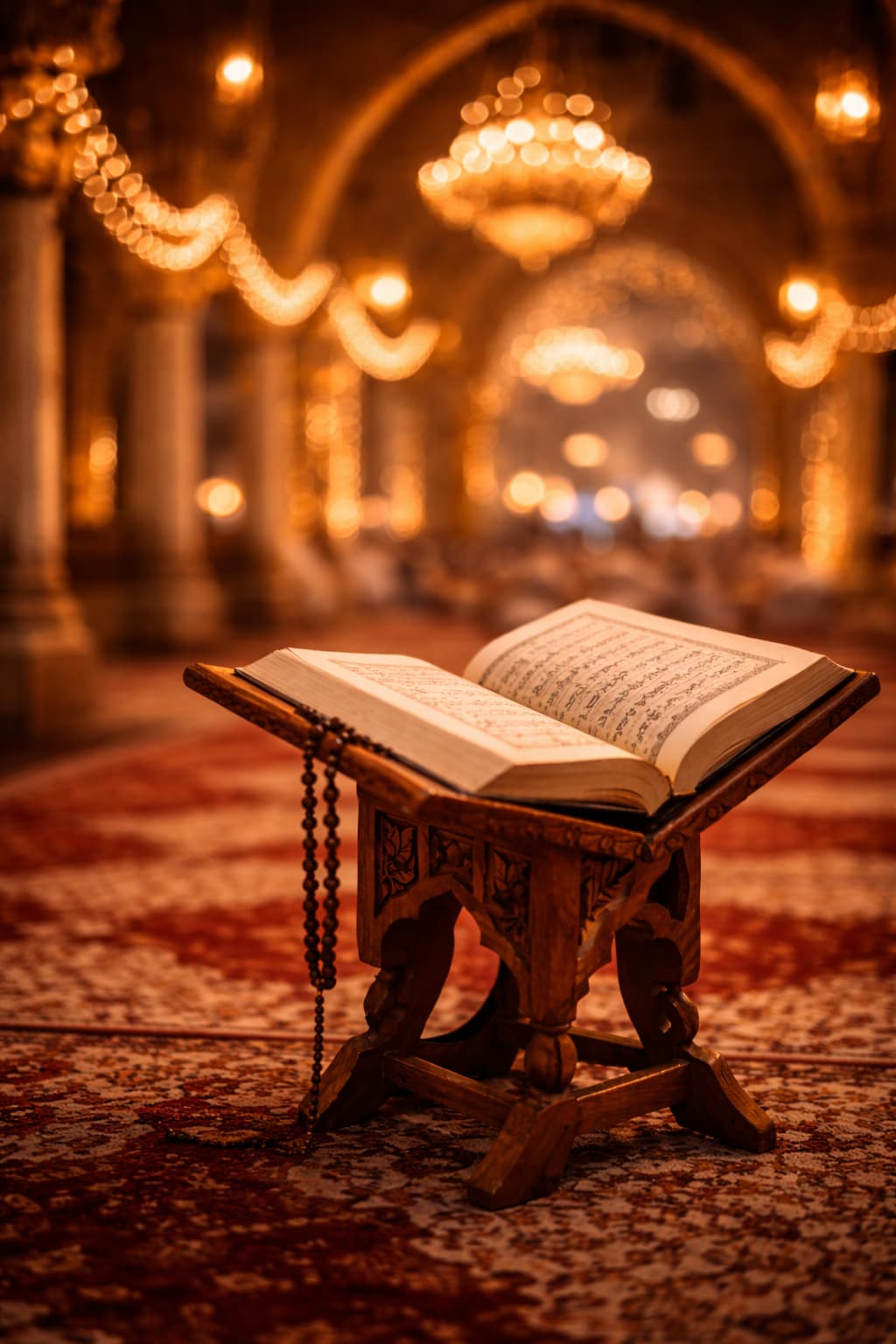
Quran Recitation
Reading and reflecting on the Quran
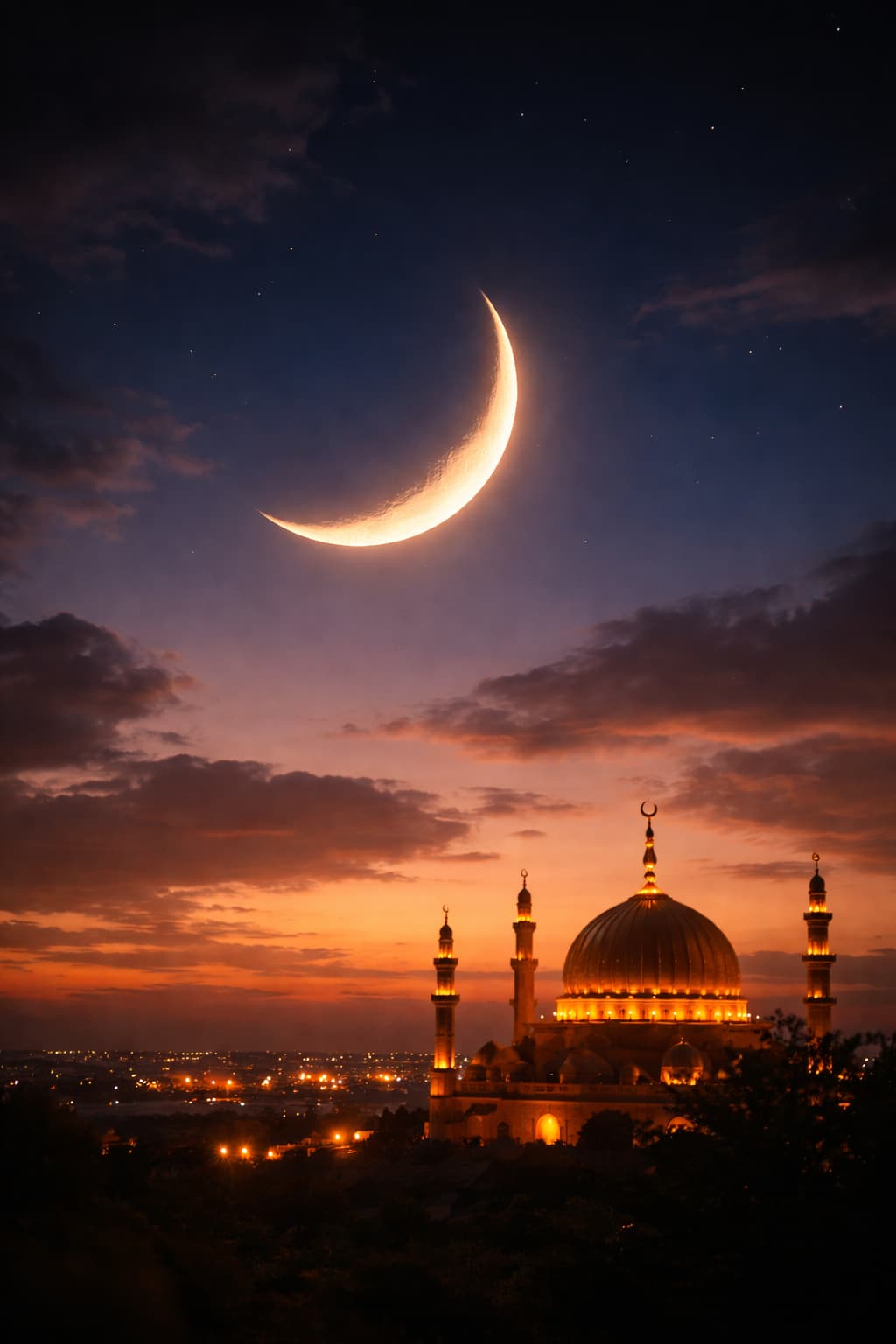
Crescent Moon
Sighting the moon to begin and end Ramadan
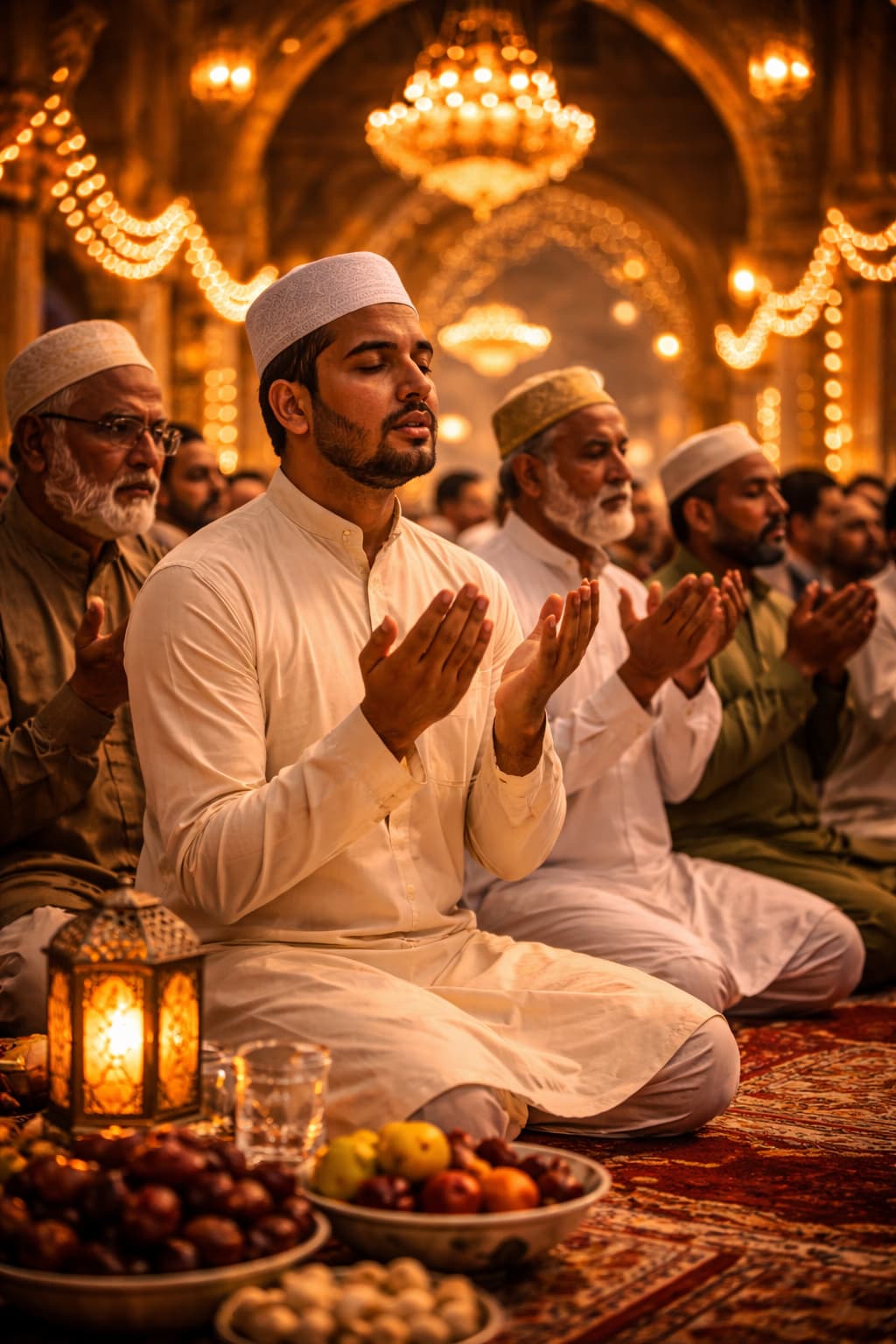
Special Prayers
Increased devotion and worship
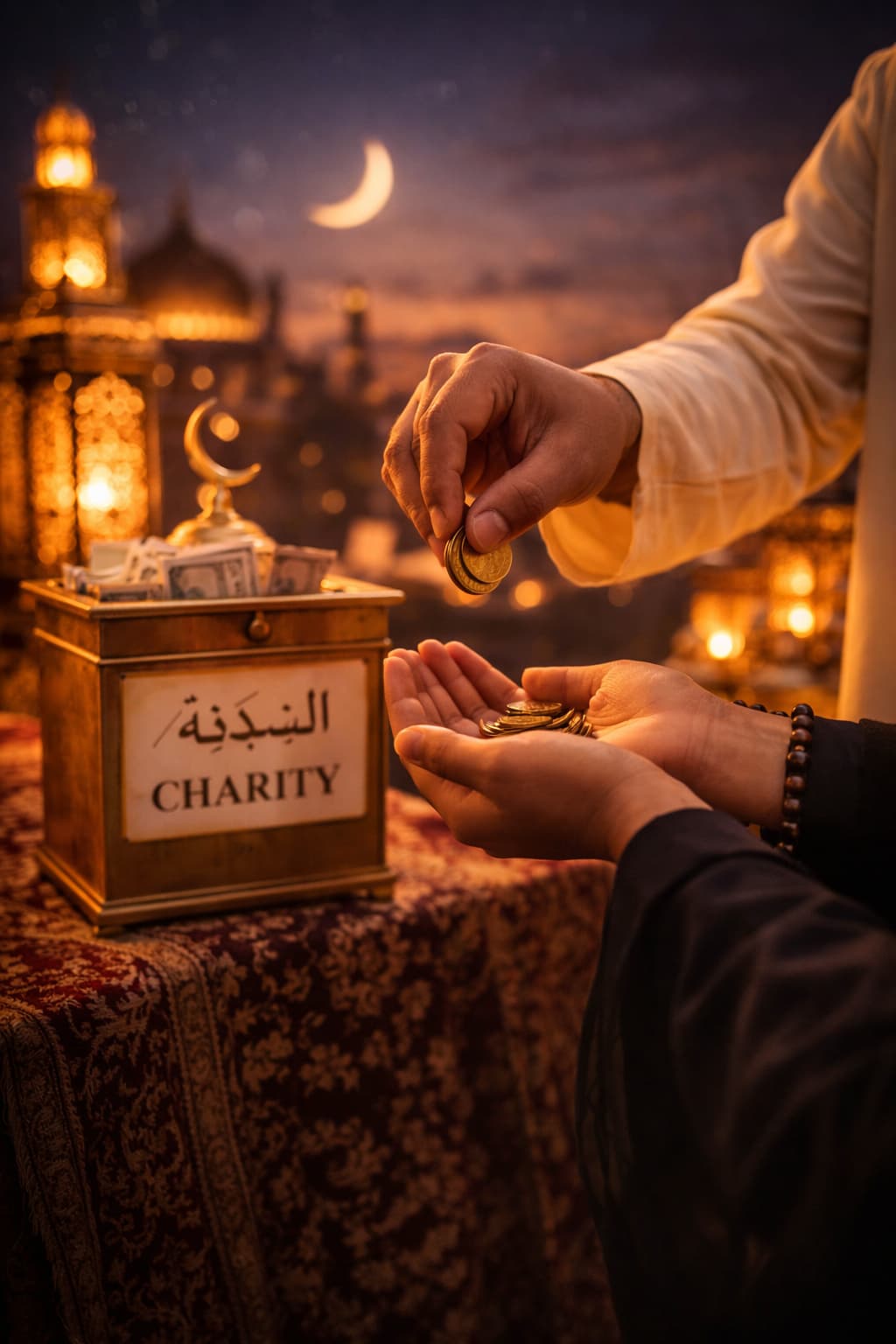
Charity
Giving to those in need
Explore Other Festivals
Discover the rich cultural heritage through diverse festivals
Healthy Ramadan Practices
Stay Hydrated
Drink plenty of water between iftar and suhoor to prevent dehydration during fasting hours.
Balanced Nutrition
Include complex carbohydrates, protein, fruits and vegetables in both suhoor and iftar meals.
Moderate Exercise
Light to moderate exercise before iftar or a few hours after iftar can help maintain fitness.