Pranayama (Breathing Exercises)
Prāṇāyāma is yogic breath regulation—working with rhythm, volume, nostrils, sound, and sometimes retention—usually from a steady seated posture. Done wisely it can steady attention and energy; done forcefully or without preparation it can provoke dizziness, anxiety, or strain. This guide explains what pranayama is, how major techniques are commonly taught, and where caution is essential. Pair breath work with yoga basics, āsana for an open chest and hips, meditation for after-practice integration, and always read safety rules first.
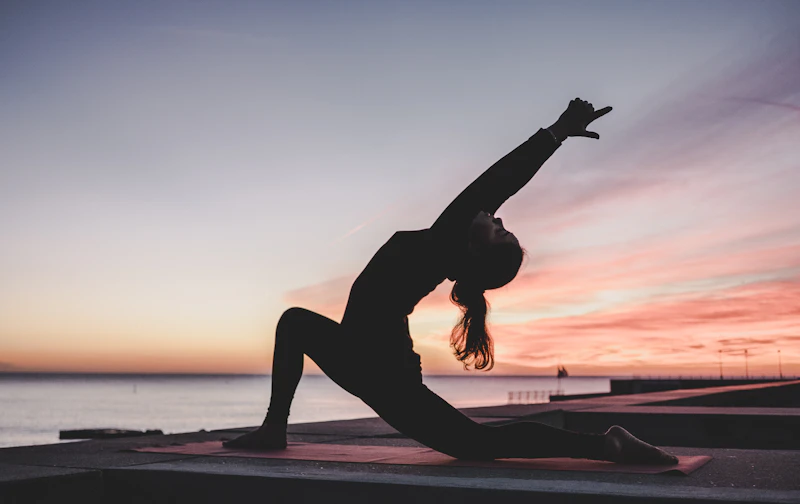 Stillness & breath — decorative
What is Pranayama?
The word combines roots suggesting life force (prāṇa) and expansion, restraint, or skillful direction (āyāma). In practice, pranayama is not “hyperventilating for wellness”—it is measured work with inhale, exhale, sometimes internal or external breath retention (kumbhaka), and the channel through which air moves—usually the nose unless a method specifies otherwise.
Why posture and timing matter
A neutral spine—whether cross-legged on a cushion, kneeling, or seated in a chair with feet flat—frees the diaphragm and keeps the neck from compressing subtle blood flow. Many teachers recommend light warm-up āsana or a few minutes of natural breathing before formal techniques so you are not starting from a slumped, shallow pattern.
General safety habits
- Practise on an empty or light stomach when possible.
- Stop if you feel faint, visual sparkles, chest pain, or panic—sit quietly and return to normal nasal breathing.
- Build duration slowly; quality of breath beats volume or speed.
- Respiratory infection, acute asthma flare, or fever are usually times to pause strong pranayama and rest.
 Balanced breath — decorative
Anulom Vilom (Alternate Nostril Breathing)
Nāḍī śodhana (channel cleansing) is a closely related name you may hear in class. The pattern alternates which nostril inhales and which exhales, often using a gentle finger touch to close nostrils without cramming cartilage.
Common beginner pattern
- Sit tall; exhale fully and naturally.
- Close the right nostril; inhale slowly through the left.
- Close the left; exhale through the right.
- Inhale through the right; close it; exhale through the left. That completes one round.
Keep the breath silent, smooth, and even—no sniffing or hissing. Some lineages add breath holds between sides; omit holds until a teacher trains you and you remain comfortable.
When to be careful
Blocked nose from allergies may make alternate nostril frustrating—use saline care or choose simple natural breathing that day. Stop if alternating makes you dizzy or anxious; bilateral nasal breathing or lengthened exhale may suit you better temporarily.
 Energising practice — use caution
Kapalbhati (Skull Shining Breath)
Kapalbhati emphasises short, active nasal exhales driven from the lower belly, with passive inhales that follow naturally. It is often taught in measured rounds with rest between. Because it changes intra-abdominal and thoracic pressure quickly, it is not a universal beginner technique.
Typical cautions (seek personalised advice)
- Pregnancy, hernia, recent abdominal surgery, pelvic floor dysfunction
- Uncontrolled high blood pressure, heart arrhythmia, or aneurysm history
- Vertigo, migraine attack, or panic disorder during acute episodes
- Eye conditions such as glaucoma when pressure changes are a concern
Learn from a qualified teacher who can watch your shoulders (they should stay relatively quiet), pace, and facial tension. If lightheadedness appears, stop, breathe normally, and rest.
 High-intensity breath — expert guidance
Bhastrika (Bellows Breath)
Bhastrika involves forceful, equal emphasis on inhale and exhale through the nose in a rhythmic pump—like bellows stoking a fire. It sharply increases ventilation and sympathetic tone for many people. Traditionally it appears after foundation practices and often alongside specific body positions and cool-down ratios.
Who needs medical clearance first
Anyone with cardiovascular or pulmonary disease, uncontrolled hypertension, seizure history, or anxiety disorders should not experiment from articles alone. The same pregnancy, eye-pressure, and recent-surgery cautions as Kapalbhati generally apply—sometimes more strictly.
Expect teachers to pair Bhastrika with slower breathing afterward and to cap repetitions. Never practise in water, while driving, or in extreme heat without professional structure.
 Soothing sound — decorative
Bhramari (Bee Breath)
On exhale, you produce a low, steady hum—like a bee—often with thumbs closing the ears gently or index fingers on the tragus. The vibration can feel grounding for the jaw, face, and auditory pathways; many students use it before sleep or after stressful days.
How to try it gently
- Inhale smoothly through the nose.
- Exhale with a closed-mouth hum, pitch comfortable—not strained.
- Start with 3–5 breaths; lengthen only if shoulders and throat stay soft.
Avoid forceful humming with acute ear infection, severe tinnitus spikes you have not discussed with a clinician, or right after ear surgery unless cleared. If you feel ear pressure or headache, soften volume or stop.
 Cooling sensation — decorative
Sheetali & Sheetkari (Cooling Breaths)
Sheetali typically rolls the tongue into a tube (genetics affect whether the tongue “tubes” easily) and draws air across it on inhale, closing the mouth to exhale through the nose. Sheetkari hisses air in through the teeth with lips slightly parted—useful when tongue-rolling is awkward.
Traditional goals and modern nuance
These are often described as śītaliṅga practices for heat or agitation. Physiologically you are humidifying and slowing the inhale; subjective coolness varies. Avoid overdoing them in cold weather if you already feel chilled or hypotensive.
Common precautions
- Asthma or reactive airway flare—cool, dry air triggers for some people
- Low blood pressure with dizziness
- Excess mucus or inability to nasal-exhale smoothly
If mouth breathing is contraindicated for your dental or orthodontic protocol, stay with nasal techniques your professional approves.