Ramadan - Holy Month of Fasting
A month of fasting, prayer, reflection, and community
Spiritual Reflection
A time for self-reflection, increased devotion, and worship
Fasting & Prayer
Observing Sawm from dawn to sunset and increased prayers
Community & Charity
Strengthening community bonds and giving to those in need
About Ramadan
Ramadan is the ninth month of the Islamic lunar calendar and is observed by Muslims worldwide as a month of fasting, prayer, reflection, and community. It commemorates the first revelation of the Quran to Muhammad according to Islamic belief. Students can also explore our Muslim Festivals overview and Festivals hub for broader cultural understanding.
This annual observance is regarded as one of the Five Pillars of Islam. The month lasts 29-30 days based on the visual sightings of the crescent moon. Fasting from dawn to sunset is obligatory for all adult Muslims except those who are ill, traveling, pregnant, breastfeeding, diabetic, or going through menstrual bleeding. After Ramadan ends, Eid al-Fitr is celebrated, and later in the year many Muslims also observe Bakrid (Eid al-Adha) as another major Islamic festival.
Mosque during Ramadan
Ramadan Traditions
Suhoor
The pre-dawn meal before the fast begins. Muslims wake up early to eat suhoor, which provides energy for the day of fasting ahead.
Iftar
The evening meal to break the fast at sunset. Traditionally, the fast is broken with dates and water, followed by a larger meal.
Taraweeh Prayers
Special nightly prayers performed after the evening prayer. The entire Quran is often recited over the course of the month during these prayers. You can read more in our detailed Bakrid guide to compare how key Islamic festivals differ in practice and meaning.
Zakat & Sadaqah
Increased charity and giving during Ramadan. Many Muslims pay their Zakat (obligatory charity) during this month and give additional Sadaqah (voluntary charity). For festivals from other traditions, visit our festival learning hub.
Laylat al-Qadr (Night of Power)
Muslims believe Laylat al-Qadr falls within the last ten nights of Ramadan—often emphasized on the odd-numbered nights—when the Quran’s revelation began. It is described in the Quran as “better than a thousand months,” so many people spend these nights in extra prayer, Quran recitation, and seeking forgiveness.
Why it matters
- Special blessings and mercy are associated with worship on this night.
- Mosques often hold longer night prayers; families may worship at home too.
- The exact calendar night is not fixed in advance for everyone—communities follow scholarship and local moon reckoning.
Common practices
- Reciting Surah al-Qadr and increasing dhikr (remembrance of God).
- Standing in voluntary prayer (qiyām) and listening to Quran.
- Giving charity—many increase sadaqah in the last ten nights.
For rulings on prayer times or which night your community observes, follow your local mosque or qualified scholars.
A Day in Ramadan (for students)
Ramadan follows the lunar day: fasting begins at dawn and ends at sunset. Exact clock times change by season and location; apps and mosques publish daily timetables.
Sawm (Fasting) & the Five Pillars
Sawm—fasting during Ramadan—is one of the Five Pillars of Islam, alongside faith (shahādah), prayer (salāh), almsgiving (zakāh), and pilgrimage (ḥajj) for those who are able. Ramadan gathers worship, self-discipline, and empathy for people who regularly go hungry.
Fasting is more than skipping meals: it includes guarding one’s speech, temper, and honesty. Breaking the fast intentionally without a valid excuse requires making up the day (qaḍāʾ) later; serious violations may require additional expiation—scholars explain details.
| Term | Quick meaning |
|---|---|
| Suhoor / Sehri | Pre-dawn meal before the fast. |
| Iftar | Meal at sunset to break the fast. |
| Maghrib | Sunset prayer—often when iftar begins. |
| Taraweeh | Special night prayers in Ramadan. |
| Zakat al-Fitr | Charity before Eid so everyone can celebrate. |
Charity, Iftar & Neighbours
Zakat & sadaqah
Many Muslims calculate and pay annual zakat during Ramadan; sadaqah (voluntary giving) often rises—feeding people at iftar, supporting orphanages, and disaster relief.
Community iftars
Mosques, schools, and streets host shared meals so no one breaks their fast alone. In many cities, volunteers distribute food boxes before sunset.
Around the world
Customs vary: Ramadan drummers before dawn in some places, lantern festivals for children in others—while the core acts of fasting and prayer remain central.
Learn how another major Islamic celebration connects at our Bakrid (Eid al-Adha) page and the full Muslim Festivals hub.
When People Do Not Fast
Islam exempts people who would face harm from fasting—examples often include serious illness, pregnancy, breastfeeding when fasting would affect health, travel under hardship, and advanced age. Such individuals may fast later (make-up days) when able, or in ongoing cases offer fidya (feeding a needy person per day)—exact rulings differ by school of thought and situation.
This site gives general-knowledge context only; always ask your family, doctor, and trusted scholars about your own case.
Ramadan Gallery
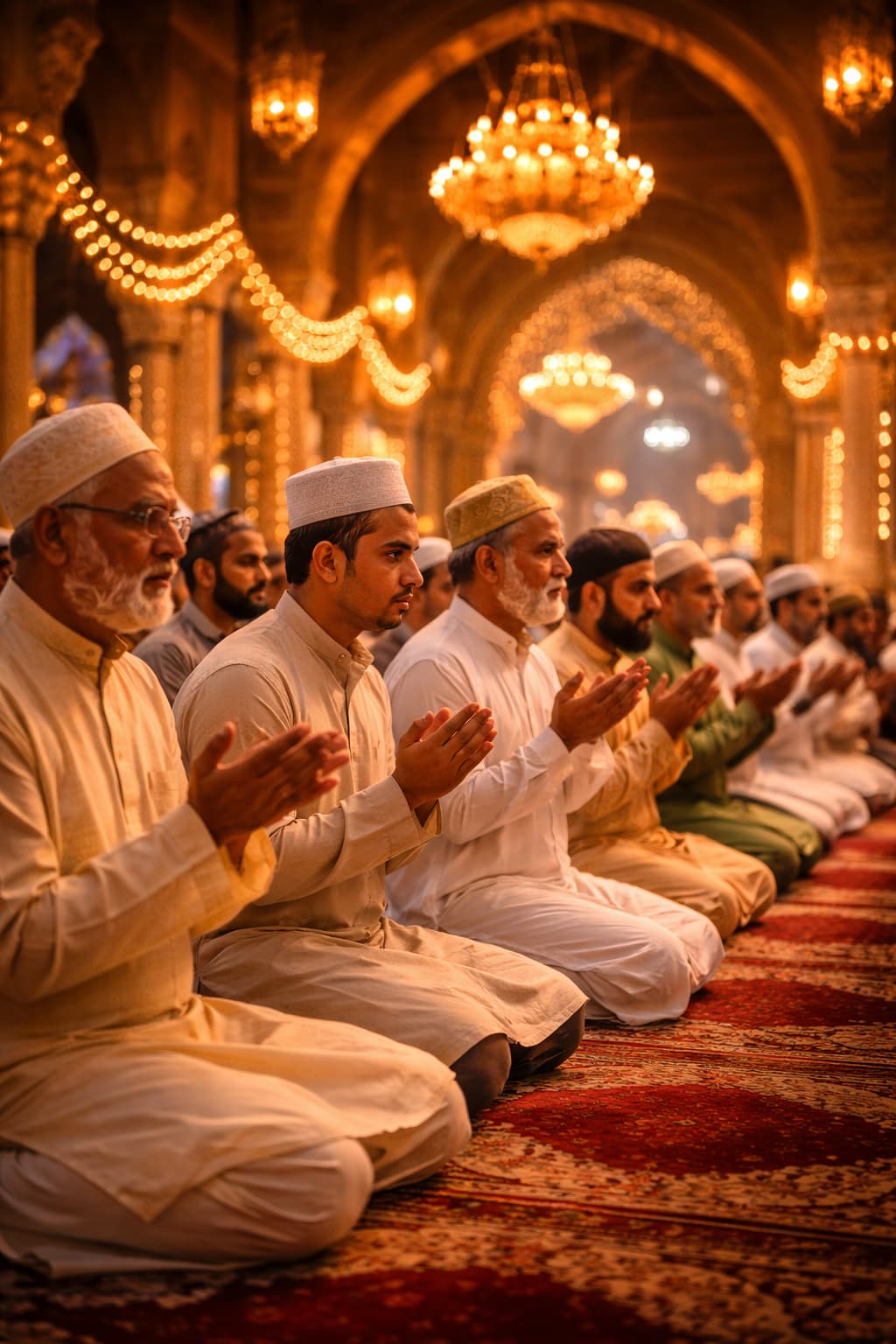
Mosque Prayers
Special prayers during Ramadan nights
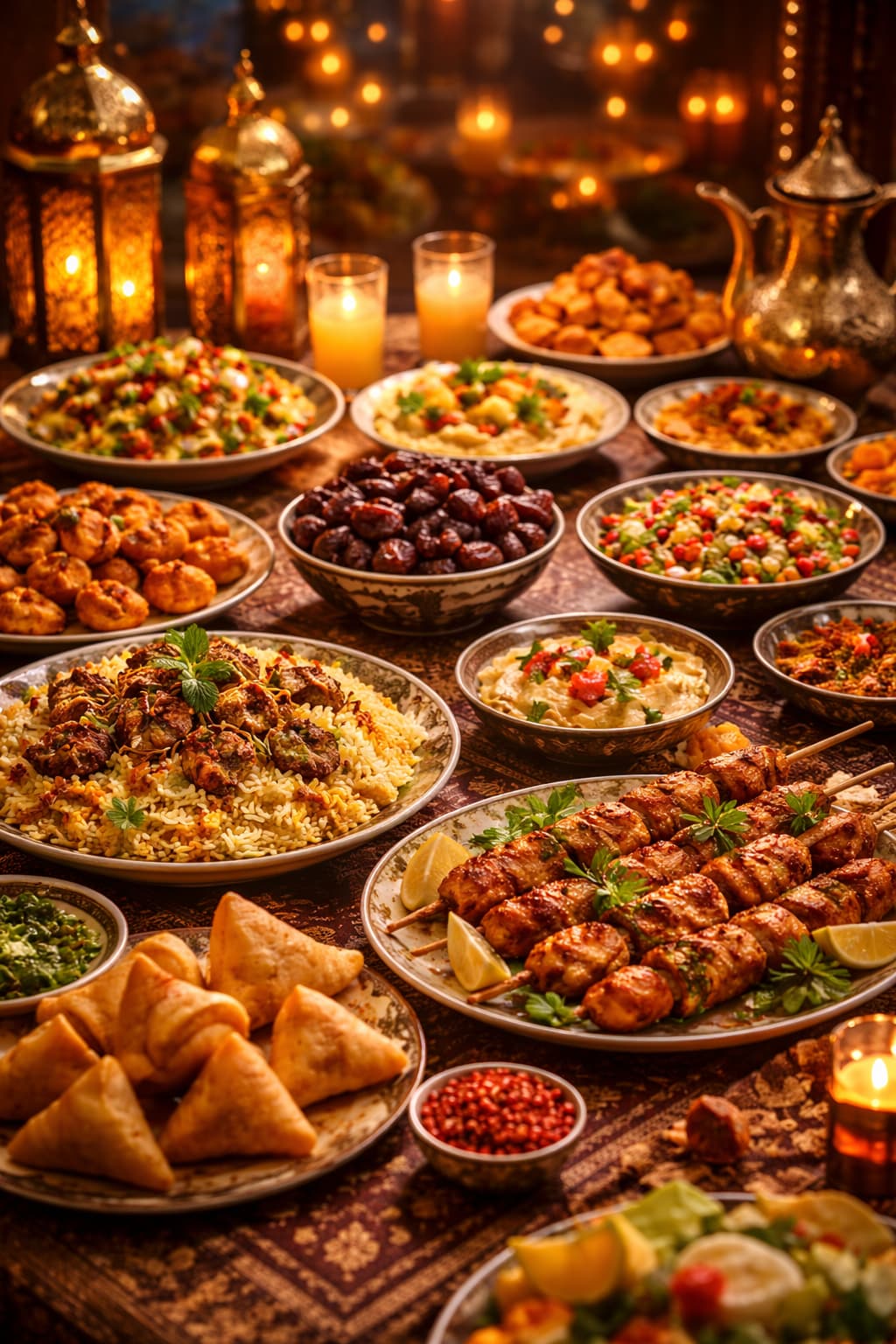
Iftar Meals
Community iftar gatherings to break fast
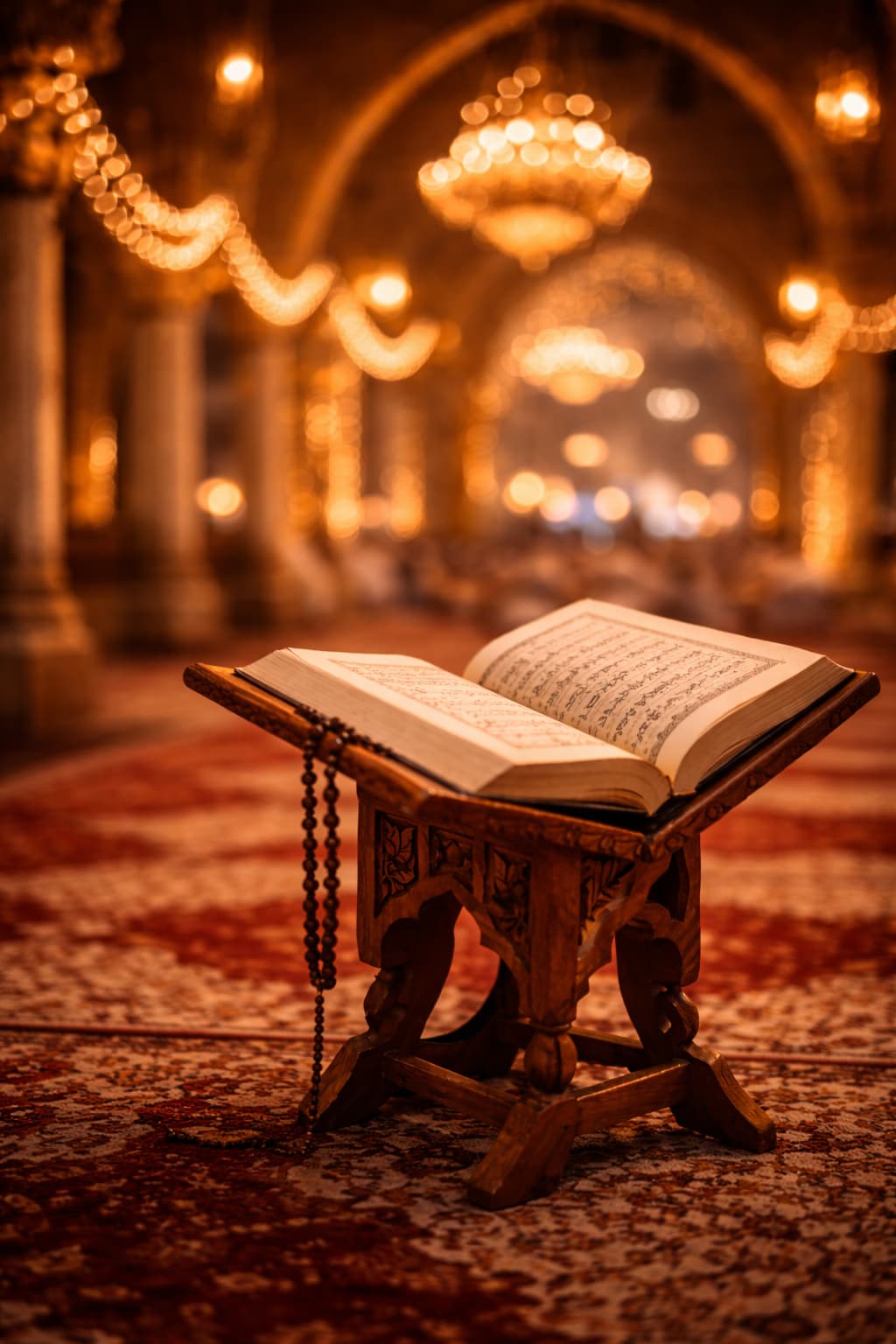
Quran Recitation
Reading and reflecting on the Quran
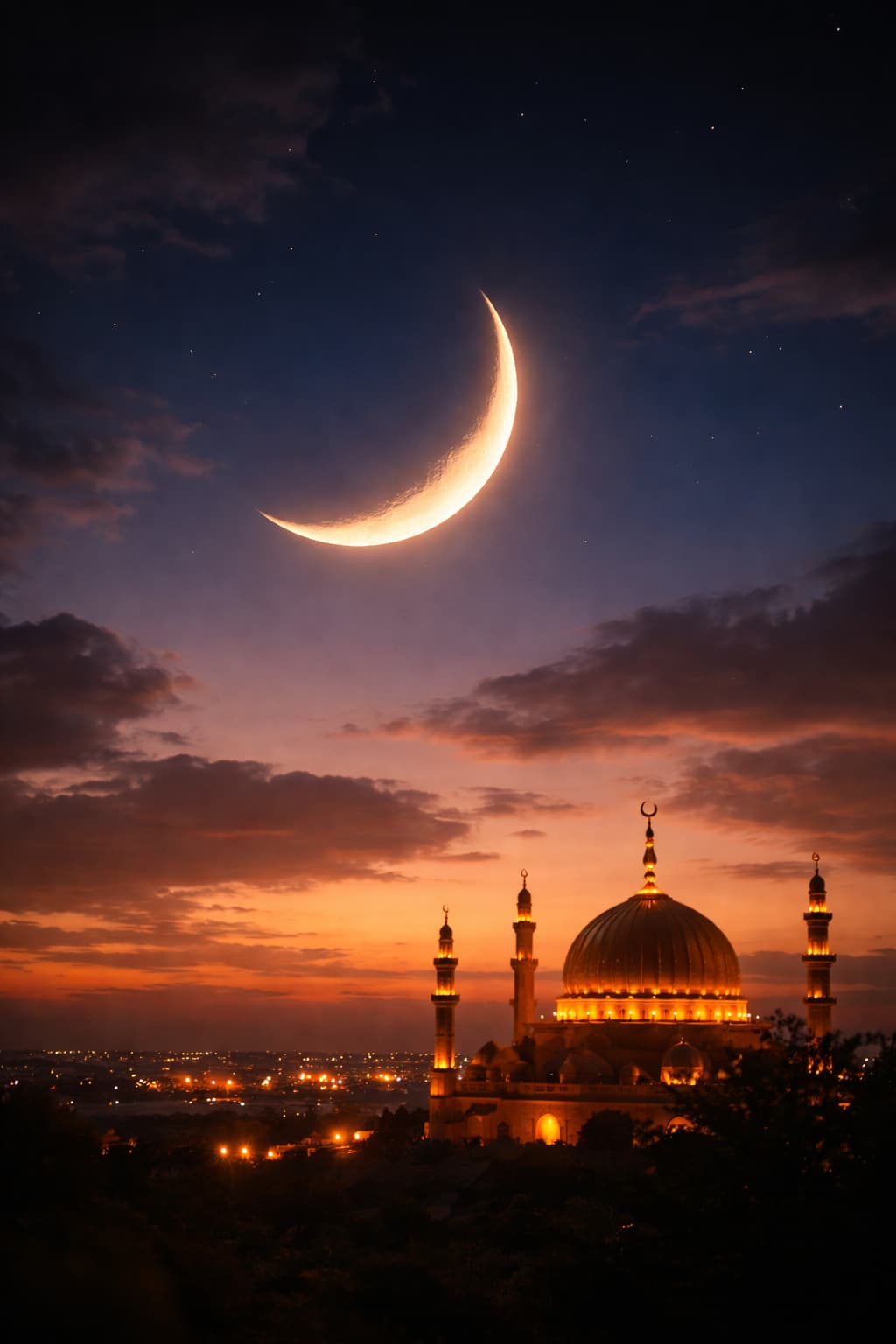
Crescent Moon
Sighting the moon to begin and end Ramadan
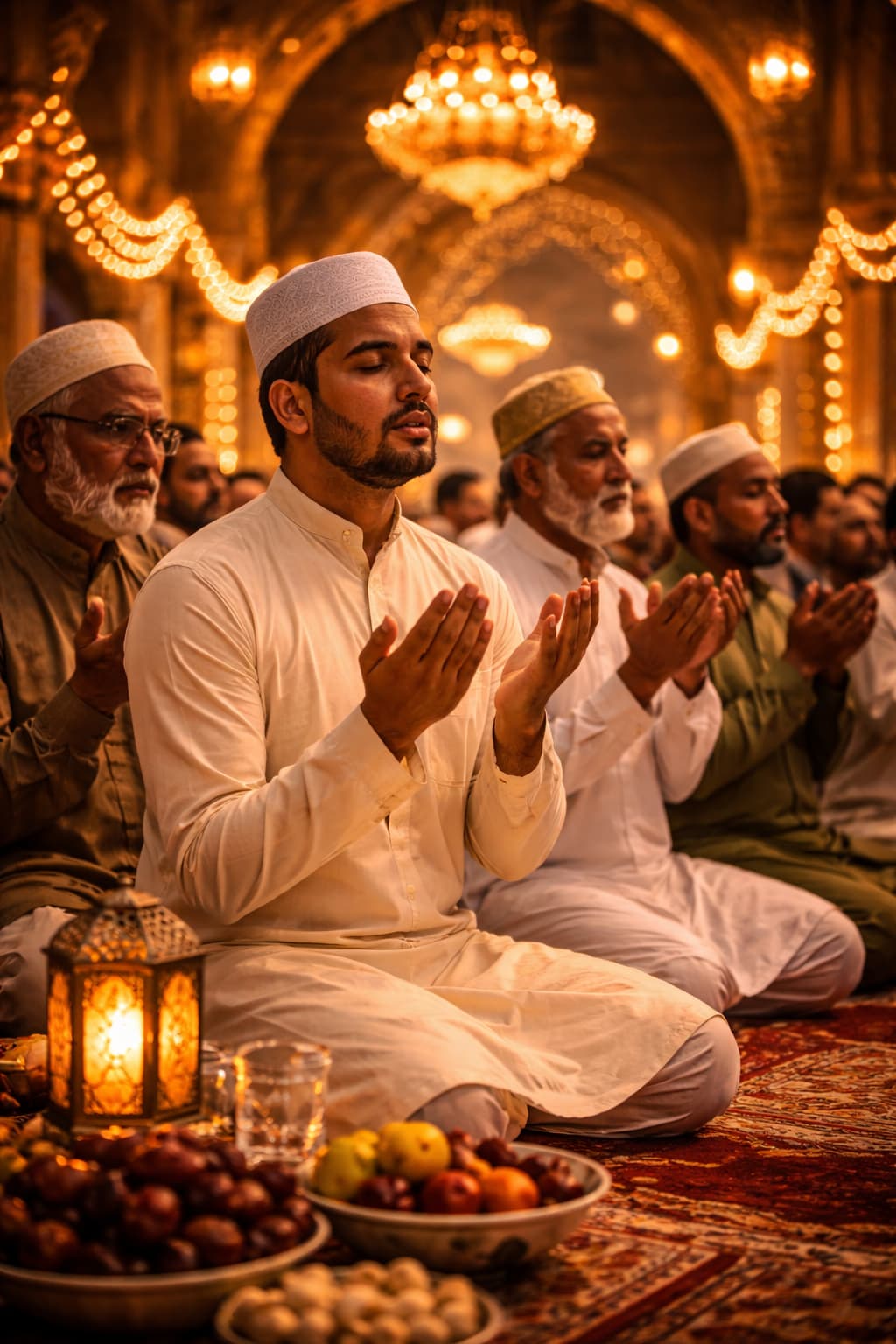
Special Prayers
Increased devotion and worship
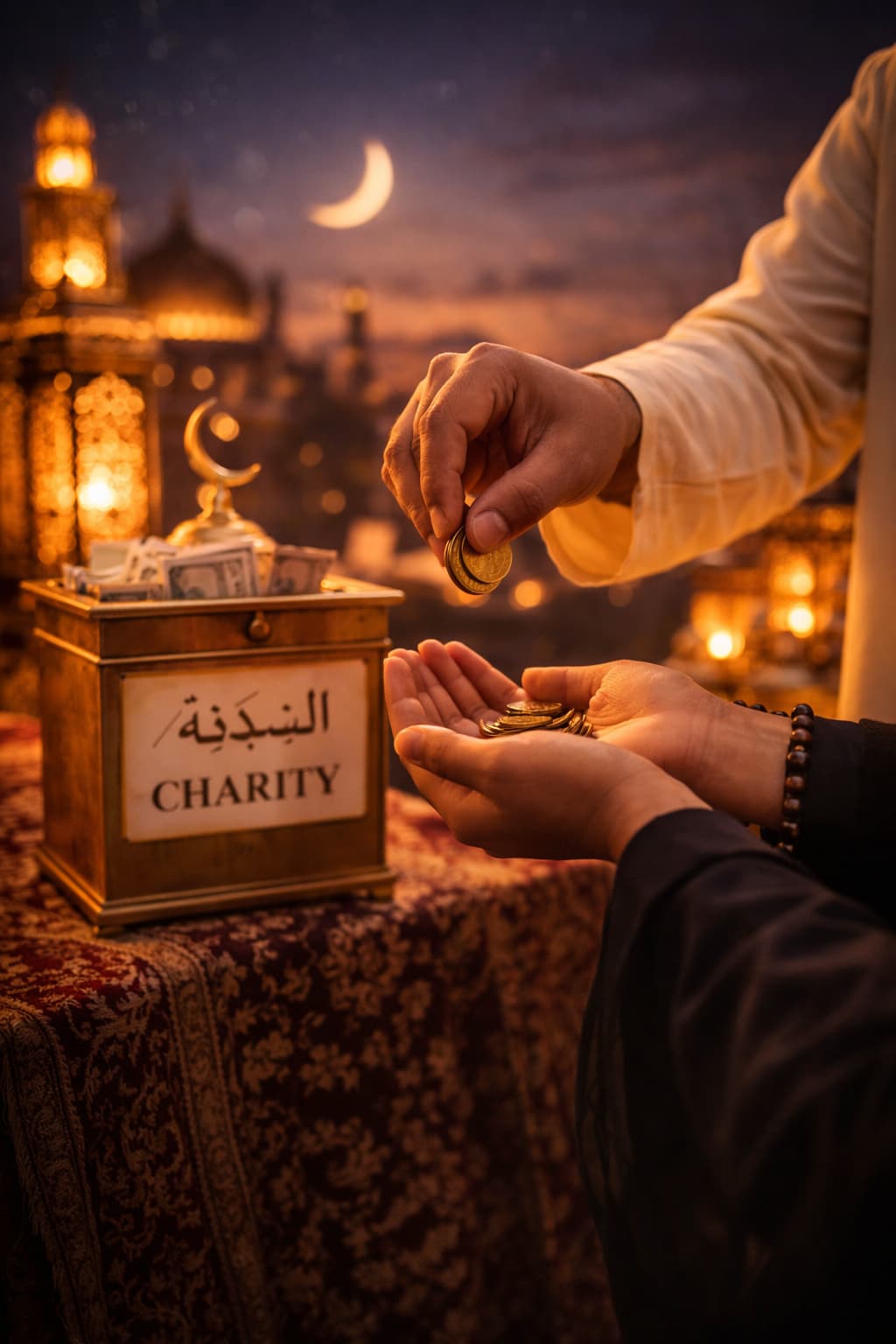
Charity
Giving to those in need
Explore Other Festivals
Discover the rich cultural heritage through diverse festivals
Healthy Ramadan Practices
Stay Hydrated
Drink plenty of water between iftar and suhoor to prevent dehydration during fasting hours.
Balanced Nutrition
Include complex carbohydrates, protein, fruits and vegetables in both suhoor and iftar meals.
Moderate Exercise
Light to moderate exercise before iftar or a few hours after iftar can help maintain fitness.