Dussehra - Vijayadashami
Celebrating the victory of good over evil, righteousness over wickedness
Key Features of Dussehra
Victory of Rama
Celebrating Lord Rama's victory over the demon king Ravana
Triumph of Good
Symbolizing the victory of righteousness over evil forces
Ravana Dahan
Burning effigies of Ravana, Meghnad, and Kumbhakarna
About Dussehra
Dussehra, also known as Vijayadashami, is one of the most important Hindu festivals celebrated at the end of Navratri every year. It marks the victory of Lord Rama over the demon king Ravana, symbolizing the triumph of good over evil.
The festival derives its name from the Sanskrit words "Dasha" (ten) and "Hara" (defeat), referring to Lord Rama's victory over the ten-headed Ravana. The day also celebrates Goddess Durga's victory over the buffalo demon Mahishasura. In many regions, Dussehra culminates the nine-day Navratri celebrations.
"Truth may be attacked but not defeated, righteousness may be challenged but not destroyed. Dussehra reminds us that good always triumphs over evil."
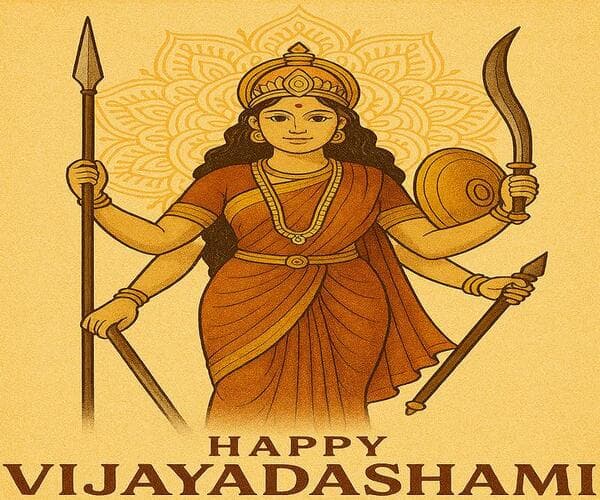
Significance of Dussehra
Ramayana Connection
Dussehra commemorates the day when Lord Rama defeated Ravana and rescued his wife Sita. The epic battle lasted for ten days, culminating on this auspicious day.
Durga Puja Conclusion
In Eastern India, Dussehra marks the end of Durga Puja, celebrating Goddess Durga's victory over the buffalo demon Mahishasura after a nine-day battle.
New Beginnings
The festival symbolizes new beginnings and the removal of negative forces. Many people start new ventures, purchases, and important work from this day.
Universal Message
Dussehra carries the universal message that truth and righteousness will always prevail, no matter how powerful the evil forces may seem.
The Legend of Lord Rama and Ravana
According to the Ramayana, the ten-headed demon king Ravana abducted Lord Rama's wife, Sita. After an epic search and a great war lasting ten days, Lord Rama ultimately killed Ravana with a divine arrow on the day of Vijayadashami. The burning of Ravana's effigy symbolizes the destruction of evil (represented by his ten heads: Kama, Krodha, Lobha, Moha, Mada, Matsarya, etc.).
Dussehra Traditions & Celebrations
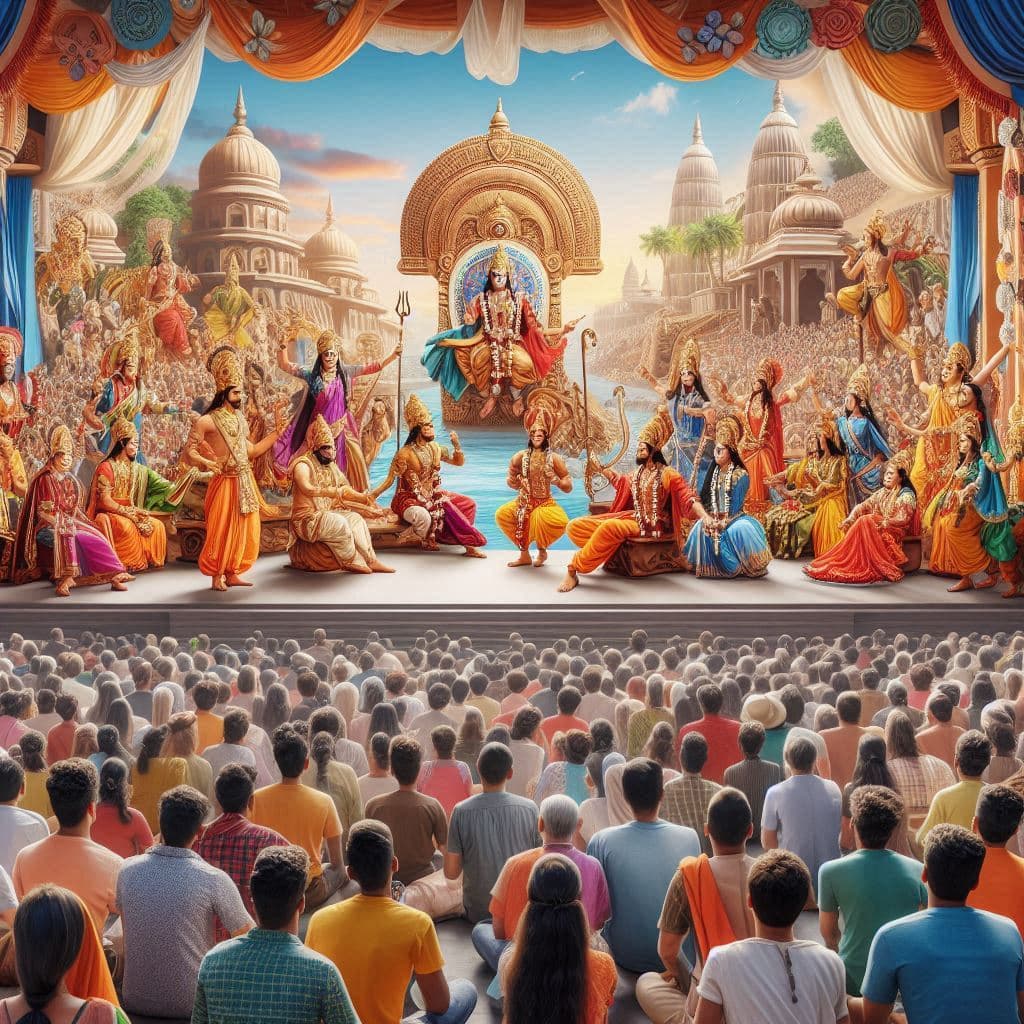
Ramlila Performances
Dramatic reenactments of Lord Rama's life story, particularly his battle with Ravana, are performed in towns and villages across India.
Ravana Dahan
Large effigies of Ravana, his son Meghnad, and brother Kumbhakarna are filled with fireworks and set ablaze in the evening, symbolizing the destruction of evil.
Weapon Worship
In many regions, people clean and worship their weapons, tools, and instruments, seeking blessings for success in their endeavors.
Family Gatherings
Families come together to celebrate, exchange gifts, and share special meals. It's also a time for seeking blessings from elders.
Regional Celebrations
North India
Ramlila performances and burning of Ravana effigies. Large fairs and processions mark the celebrations.
West Bengal
Immersion of Durga idols in rivers after nine days of Durga Puja celebrations.
South India
Worship of tools, instruments, and educational items. Display of dolls and cultural artifacts.
Dussehra Gallery
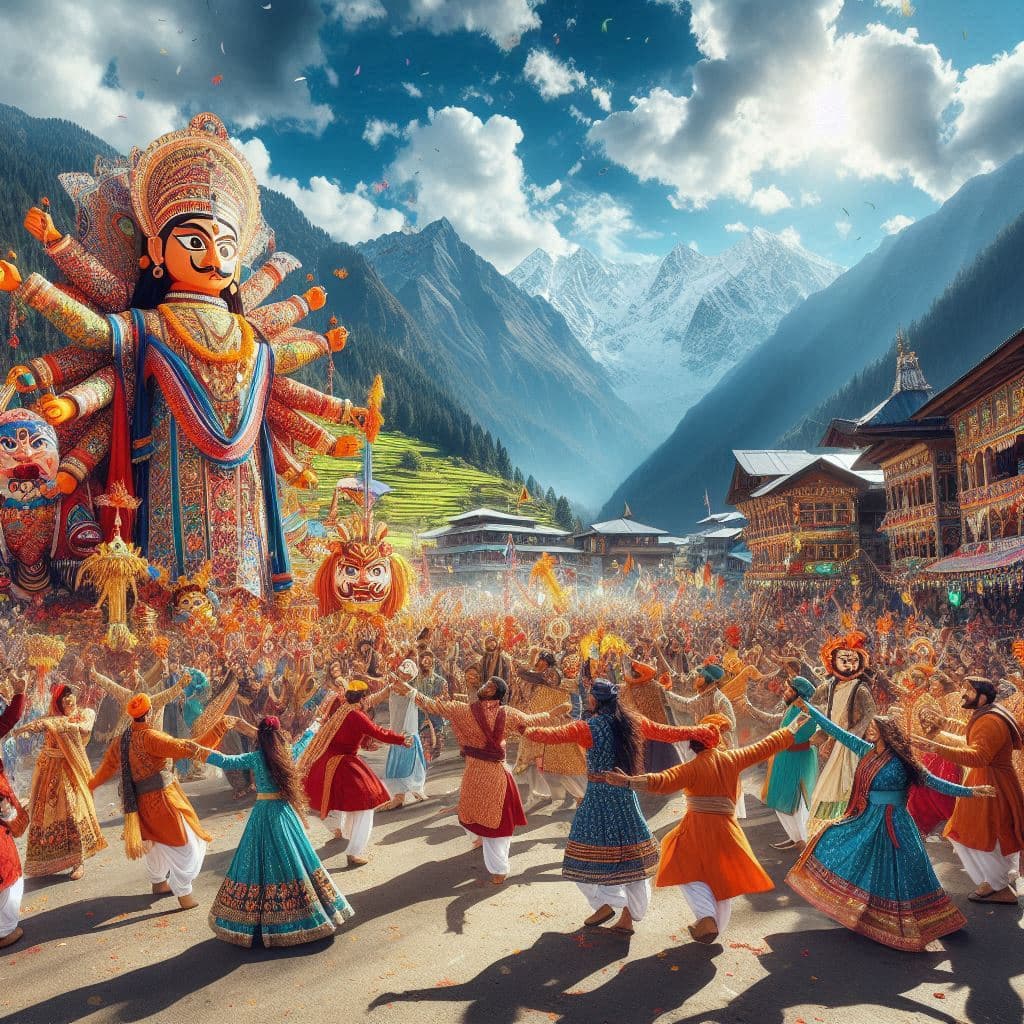
Ramlila Performances
Dramatic enactments of Rama's story
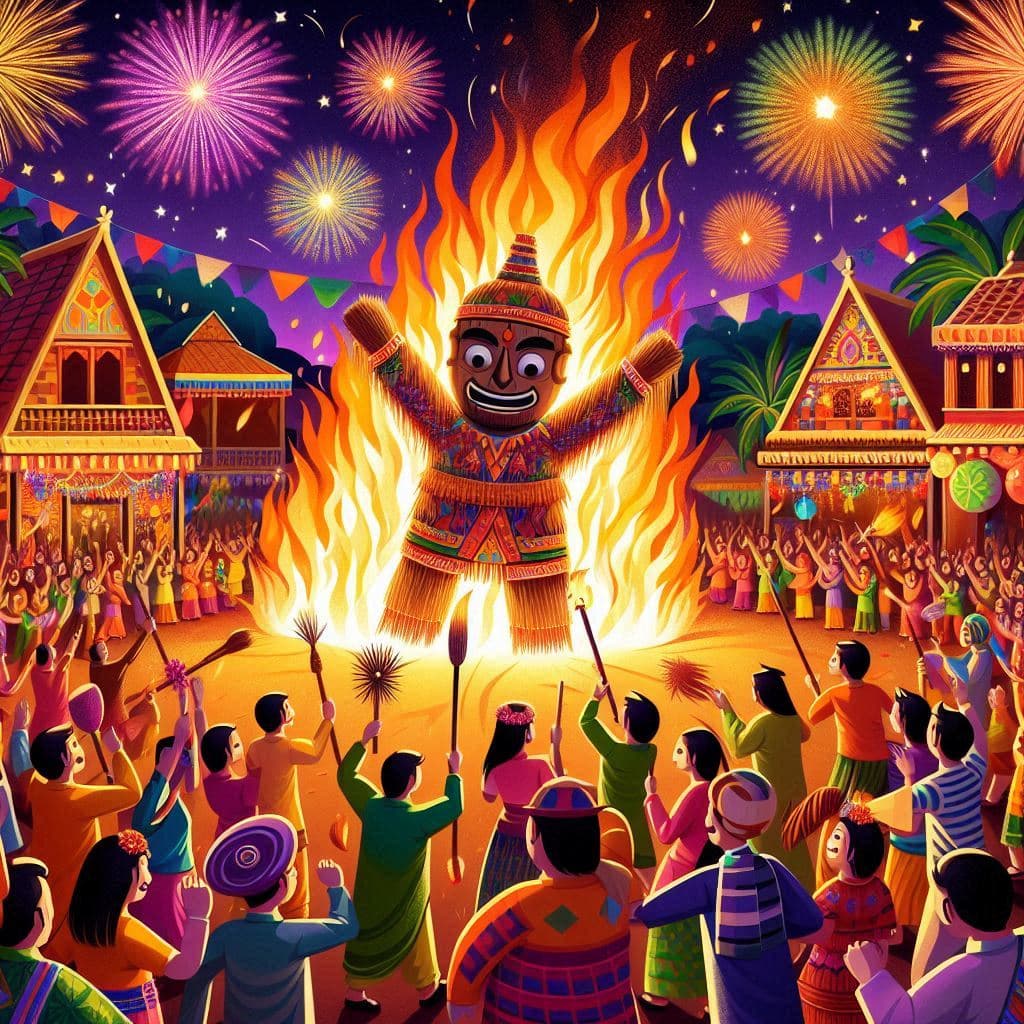
Ravana Dahan
Burning effigies of Ravana
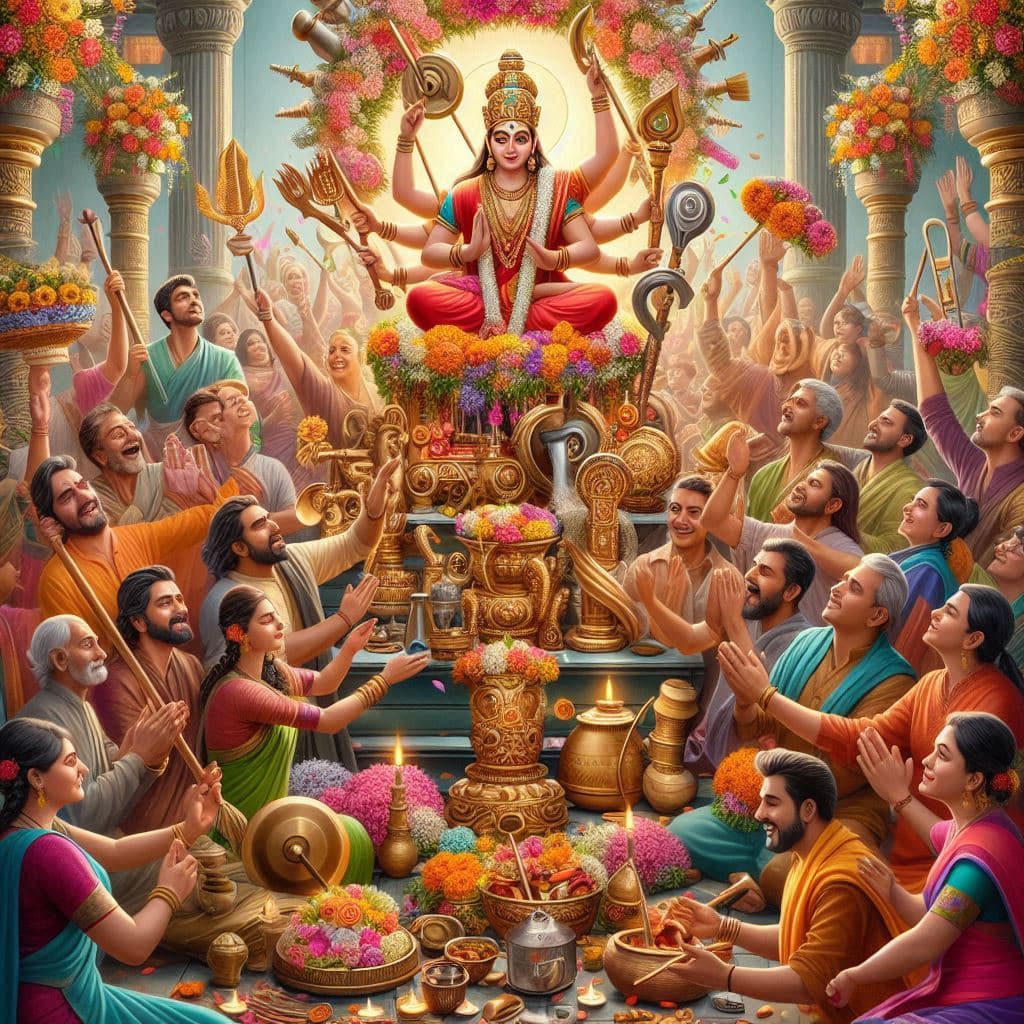
Weapon Worship
Worshipping tools and instruments
Praying
Devotees offering prayers
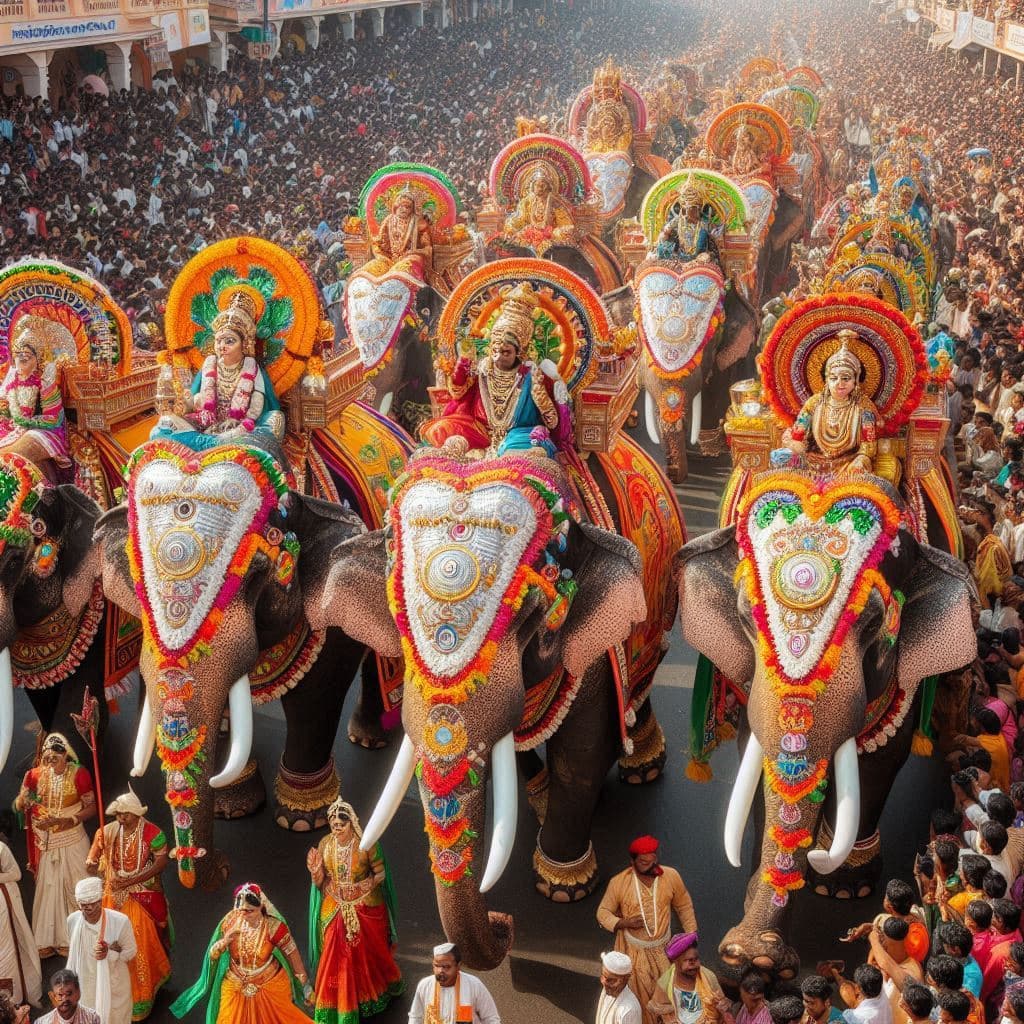
Cultural Events
Music, dance, and cultural programs
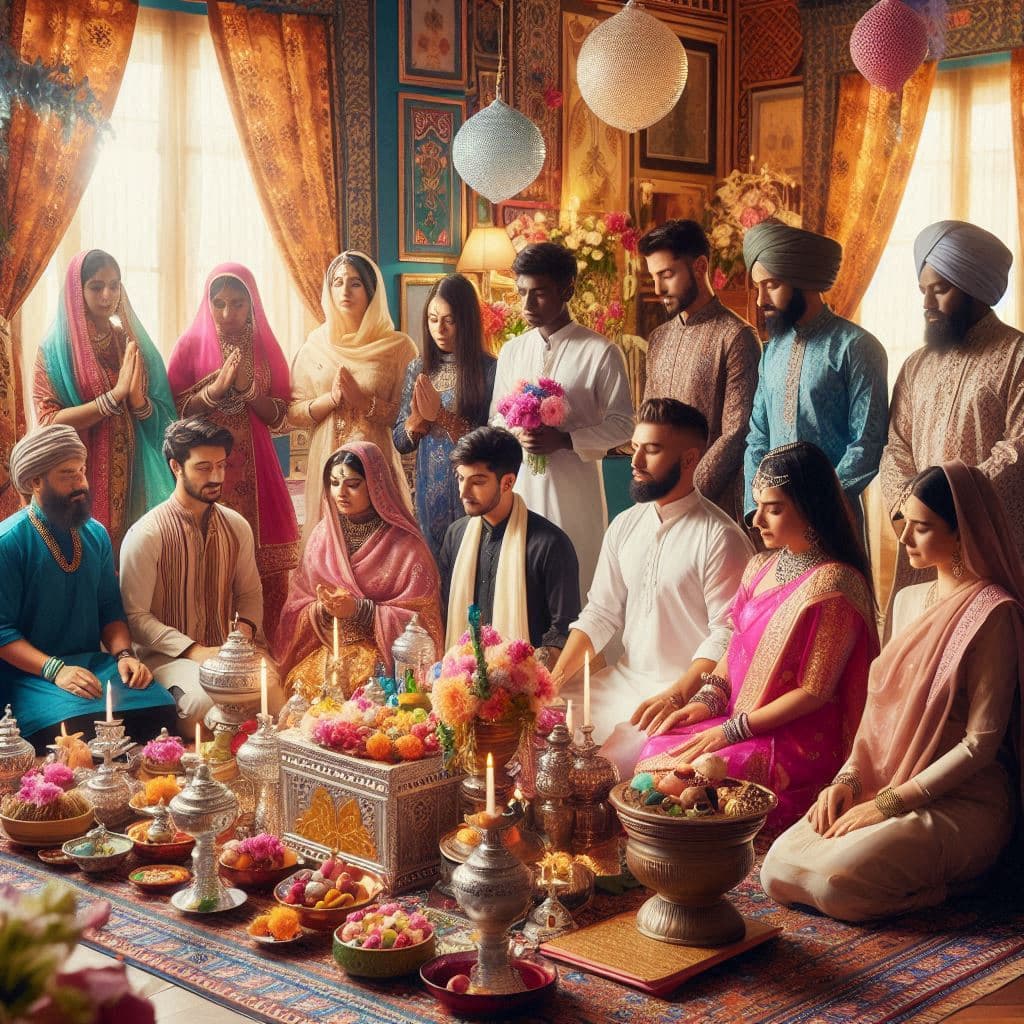
Family Celebrations
Family gatherings and feasts
Dussehra in the Telugu Festival Calendar
Planning your Dussehra celebrations becomes easier when you see it in the wider sequence of Telugu observances. Families often compare customs from Ugadi, Sankranti, Rama Navami, Krishna Janmashtami to understand how seasonal rituals, fasting practices, and temple visits connect across the year.
For a broader cultural background, read About Telugu Festivals. That overview helps students and families understand how regional panchangam traditions shape puja timing, community events, and local variations from one festival page to another.
Explore Other Festivals
Dussehra is the glorious conclusion to the Navratri festival. It also closely follows other major celebrations like Ganesh Chaturthi. To understand the full cycle of Hindu festivals, explore our guides on Diwali – The Festival of Lights, which occurs about twenty days later, or the spring festival of Holi.
Safe Dussehra Celebration
Safety First
Maintain safe distance during Ravana Dahan and follow all safety guidelines for fireworks.
Eco-Friendly Effigies
Use eco-friendly materials for effigies and avoid harmful chemicals in fireworks.
Community Spirit
Celebrate together as a community while respecting local traditions and regulations.
When Is Dussehra Celebrated?
Dussehra (Vijayadashami) falls on Dashami tithi of Shukla Paksha in Ashwayuja (Ashwin) month, following Navaratri.
Since Dashami tithi can begin or end at different times each year, the Gregorian date moves between September and October.
Practical note: festival dates can differ by region, temple tradition, and the panchangam or calendar (amanta/purnimanta, drik/vakya) followed locally, so always confirm with your local almanac.
Frequently Asked Questions
Related Telugu Festivals
Explore more celebrations in the Telugu festival calendar such as Ugadi; Sankranti; Rama Navami; Krishna Janmashtami. You can also visit About Telugu Festivals for the complete seasonal context, traditions, and cultural background.