Hanuman Jayanti — Strength & Devotion
Honoring the birth of Lord Hanuman, the epitome of devotion and strength
2026 Date, Puja & Muhurat Timings
Hanuman Jayanti in 2026 will be celebrated on Thursday, April 2, 2026 (Chaitra Purnima).
- Purnima Tithi Begins: 07:06 AM on April 1, 2026
- Purnima Tithi Ends: 07:41 AM on April 2, 2026
- Puja Muhurat: Morning hours (after sunrise; confirm local panchangam for exact shubh muhurat)
*Indicative tithi timings for New Delhi, India. Regional sunrise rules and panchangam may shift the preferred puja window—verify with your local almanac.
Quick Facts at a Glance
| Festival | Hanuman Jayanti |
|---|---|
| Date (2026) | April 2, 2026 (Chaitra Purnima—North India style) |
| Deity | Lord Hanuman |
| Main Ritual | Hanuman Chalisa recitation, sindoor, diya |
Symbol of Strength
Lord Hanuman represents immense physical and spiritual strength
Epitome of Devotion
Unwavering devotion to Lord Rama inspires millions
Protector from Evil
Worshipped as a protector against negative energies
What Is Hanuman Jayanti?
Hanuman Jayanti is a Hindu religious festival that celebrates the birth of Lord Hanuman, who is immensely revered for his unwavering devotion to Lord Rama and his incredible strength. This auspicious day is observed on the full moon day (Purnima) of the Hindu lunar month of Chaitra in many North Indian calendars—see Hanuman Jayanti celebrations across India for Telugu and other regional dates.
Hanuman is a central character in the Ramayana and is deeply devoted to Lord Rama. According to Hindu mythology, Hanuman is considered to be the son of Anjana and Kesari, and is also described as the son of the wind-god Vayu (Pavan). He is worshipped as a symbol of physical strength, perseverance, and devotion. Hanuman's tales are documented in the great Hindu epic, the Ramayana, where his role finds a prominent place.
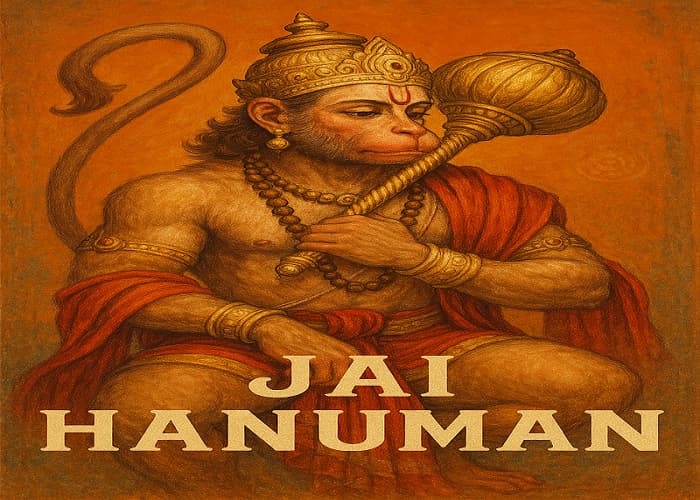
Jai Hanuman
How India Celebrates Hanuman Jayanti
- North India – Chaitra Purnima celebration (e.g. April 2, 2026 with panchang-based tithi timings).
- Telugu states (Andhra Pradesh & Telangana) – Often linked to Vaishakha Krishna Paksha observances; many devotees also begin long vratas around Chaitra Purnima—confirm with local temples.
- Maharashtra – Grand temple celebrations, processions, and strong Hanuman Bhakti traditions on Chaitra Purnima.
- Karnataka & some southern calendars – Different tithi or month observance (e.g. Margashirsha traditions in some areas)—always verify with regional panchangam.
Home Puja: Simple Steps
- Clean the puja place
- Place Hanuman idol or photo
- Apply sindoor and offer flowers
- Recite Hanuman Chalisa
- Offer laddoos and light diya
Adjust steps to match your family or guru lineage; many households add aarti, banana or urad offerings, and Tuesday fasting customs.
Customs & Observances
Special Pujas
Devotees visit Hanuman temples and offer special prayers. The Hanuman Chalisa and Sunderkand are recited with great devotion throughout the day.
Offerings to Hanuman
Traditional offerings include vermilion (sindoor), laddoos, flowers, and incense. Many devotees observe fasts and offer special food prasad.
Spiritual Discourses
Religious gatherings and spiritual discourses are organized where the stories of Hanuman's bravery and devotion are narrated.
Charity and Service
Devotees engage in charitable activities, serving food to the needy, and organizing community services as a form of devotion.
Why the Hanuman Chalisa Matters
Hanuman Chalisa is a devotional hymn composed by Tulsidas in Awadhi. It has 40 verses (chaālīs = forty) praising Hanuman’s strength, wisdom, and devotion to Rama. For millions, regular recitation is a simple path to focus the mind, remember courage in difficulties, and feel connected to Hanuman’s protection—hence the high search interest in Hanuman Chalisa meaning: each verse praises qualities like humility, service, and surrender to the Divine.
Learning a short line-by-line meaning (in your language) deepens practice beyond rote reading and helps students retain vocabulary for exams and bhajan competitions.
Birth Legend (Short Version)
Popular tradition holds that Anjana and Kesari prayed for a son; through divine grace, Vayu carried Shiva’s essence to Anjana, and Hanuman was born—blessed with strength and devotion. Another strand emphasizes Hanuman as Rudravatara (connected to Shiva) while being Rama’s greatest servant in the Ramayana arc.
Meaning of sindoor offering
Devotees apply sindoor (vermilion) to Hanuman’s idol as Rama’s name is said to be inseparable from Hanuman’s being; sindoor offered to Sri Rama is lovingly applied to Hanuman in many temples, symbolizing devotion, valor, and auspicious energy (shakti). Always follow your temple or family custom when mixing or applying prasad materials.
GK Quiz (School & Exams)
- Q: Who are Hanuman’s parents?
A: Anjana (mother) and Kesari (father); Hanuman is also called son of Vayu, the wind deity. - Q: Which epic describes Hanuman?
A: The Ramayana (Valmiki and later traditions); Hanuman is central to the Lanka episode and the search for Sita. - Q: What is Hanuman known as?
A: Sankat Mochan, Pavan Putra, Bajrang Bali, Mahavira (great hero), and Rama’s foremost devotee. - Q: What is Hanuman Chalisa?
A: A 40-verse hymn by Tulsidas praising Hanuman—see Importance of Hanuman Chalisa above.
Why Devotees Worship Hanuman
Protection from Evil
Hanuman is believed to protect devotees from evil spirits, negative energies, and planetary afflictions. Many wear amulets with Hanuman's image for protection.
Wisdom and Knowledge
Despite his immense strength, Hanuman is also known for his wisdom and knowledge of scriptures, making him a complete personality to emulate.
Physical and Mental Strength
Worshipping Hanuman is believed to grant physical strength, courage, and mental fortitude to overcome life's challenges.
Health and Vitality
Hanuman represents perfect health and vitality. Devotees pray to him for good health and recovery from illnesses.
Festival in Pictures
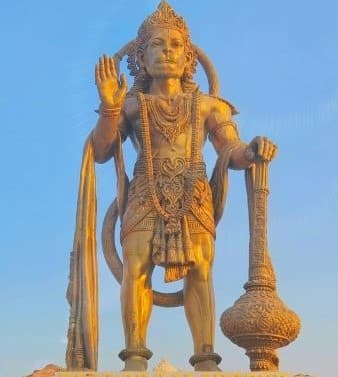
Hanuman Temples
Devotees offering prayers at Hanuman temples
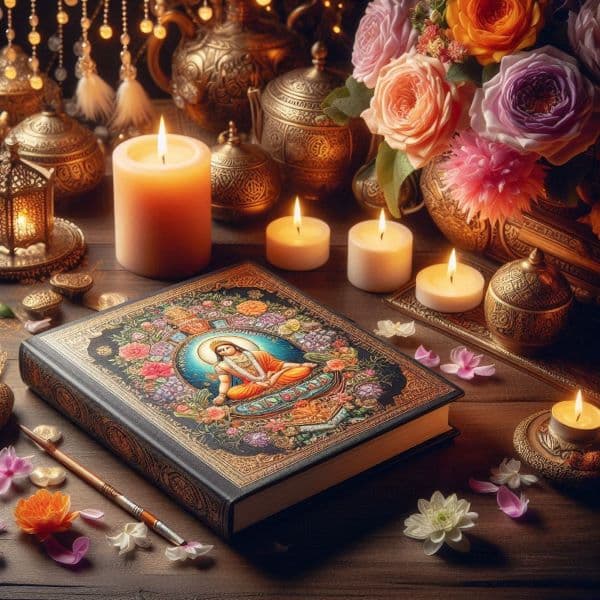
Hanuman Chalisa
Recitation of Hanuman Chalisa in gatherings

Special Pujas
Elaborate puja ceremonies on Hanuman Jayanti
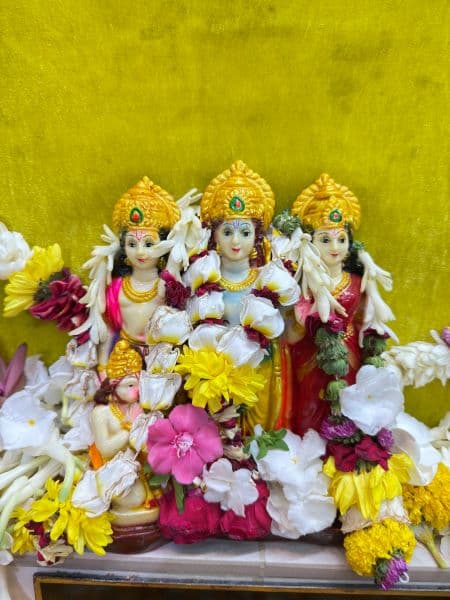
Hunuma with Ram-Sita
Hunuma with Ram-Sita
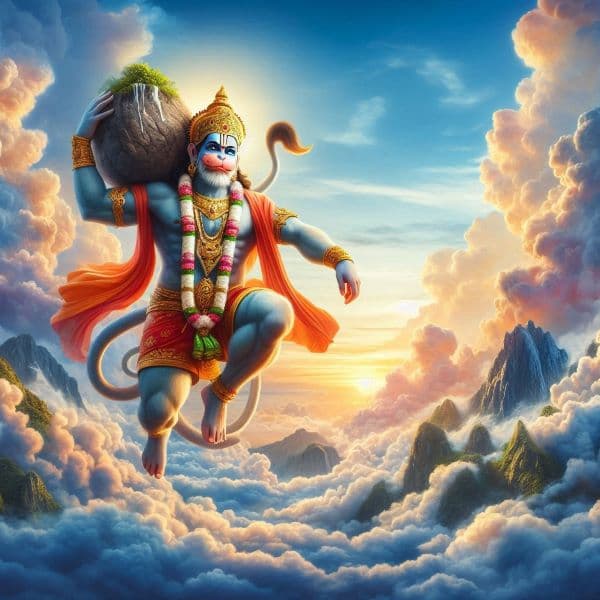
Hanuma with Sanjivani
Hanuma with Sanjivani
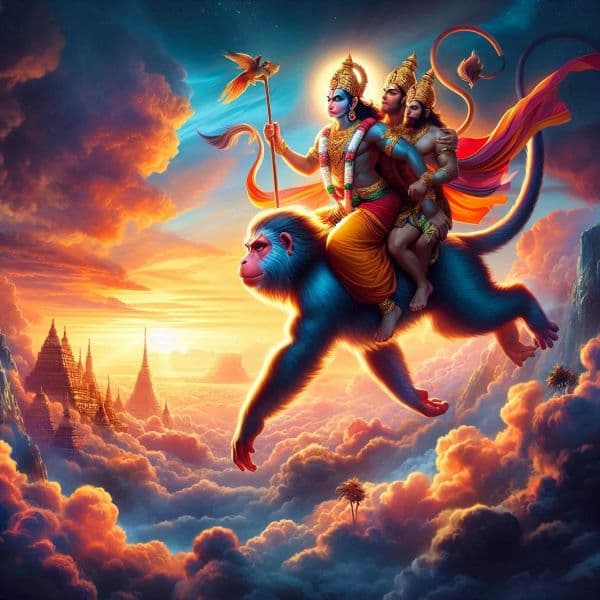
Hanuma with Ram-Laxmana
Hanuma with Ram-Laxmana
Where It Fits on the Telugu Calendar
Planning your Hanuman Jayanthi celebrations becomes easier when you see it in the wider sequence of Telugu observances. Families often compare customs from Ugadi, Sankranti, Rama Navami, Krishna Janmashtami to understand how seasonal rituals, fasting practices, and temple visits connect across the year.
For a broader cultural background, read About Telugu Festivals. That overview helps students and families understand how regional panchangam traditions shape puja timing, community events, and local variations from one festival page to another.
More Telugu Festivals to Explore
Discover the rich cultural heritage of India through its diverse festivals
Prayer, Discipline & Benefits
Recite Hanuman Chalisa
Regular recitation of Hanuman Chalisa is believed to remove obstacles and bring courage.
Tuesday Worship
Tuesdays are considered especially auspicious for Hanuman worship and fasting.
Devotional Service
Serving others selflessly is considered the highest form of devotion to Hanuman.
Calendar: When Is Hanuman Jayanthi?
In many Telugu traditions, Hanuman Jayanthi is linked to Vaishakha Krishna Paksha observances, while other regions follow Chaitra Purnima—see Hanuman Jayanti 2026 date and timings and regional differences.
The date varies because different sampradayas and panchangams use different tithi traditions for Hanuman birth celebrations.
Practical note: festival dates can differ by region, temple tradition, and the panchangam or calendar (amanta/purnimanta, drik/vakya) followed locally, so always confirm with your local almanac.
Your Questions Answered
Related Searches
- Hanuman Chalisa benefits
- Hanuman Jayanti fasting rules
- Why apply sindoor to Hanuman
- Hanuman birth story
Related on this page: Hanuman Chalisa meaning, birth story & sindoor, and Hanuman Puja at home.
More Telugu Festivals
Explore more celebrations in the Telugu festival calendar such as Ugadi; Sankranti; Rama Navami; Krishna Janmashtami. You can also visit About Telugu Festivals for the complete seasonal context, traditions, and cultural background.