Rama Navami
Celebrating the Birth of Lord Rama - The Embodiment of Righteousness and Virtue
Rama Navami 2026 Date & Timings
Date: Thursday, March 26, 2026 (Navami tithi may extend into March 27 in some regions—confirm your panchangam)
Tithi: Chaitra Shukla Navami
Puja Time: 11:00 AM – 1:30 PM (approximate Madhyahna / midday auspicious window; temples may announce exact slots)
Rama Navami celebrates the birth of Lord Rama, an avatar of Vishnu described in the epic Ramayana.
Rama Navami 2026 will be celebrated in March 2026 on Chaitra Shukla Navami. The English calendar day can vary by place because lunar tithi boundaries and local customs differ.
Quick Facts About Rama Navami
| Festival | Rama Navami |
|---|---|
| Deity | Lord Rama |
| Date 2026 | March 26 (varies by calendar) |
| Main Ritual | Fasting & Puja |
Divine Birth
Celebrating Lord Rama's birth to King Dasharatha and Queen Kausalya in Ayodhya
Spiritual Observance
Fasting, prayers, and recitation of Rama Katha and Ramayana
Moral Values
Embodying dharma, righteousness, and ideal conduct
About Rama Navami
Rama Navami is a significant Hindu festival that celebrates the birth of Lord Rama, the seventh avatar of Lord Vishnu. This auspicious day falls on the ninth day (Navami) of the Chaitra month (March–April) in the Hindu calendar, which typically marks the beginning of spring season.
Lord Rama is revered as Maryada Purushottam, meaning the perfect man who embodies righteousness, virtue, and ideal conduct. His life story, depicted in the epic Ramayana, serves as a guiding light for millions of devotees worldwide, teaching valuable lessons about duty, honor, and the triumph of good over evil.
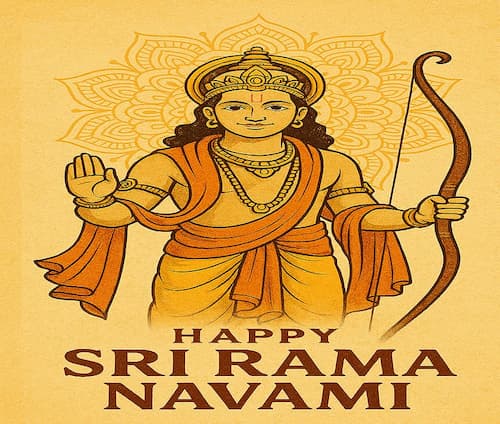
Rama Navami celebration
Rama Navami GK Questions
Use these for quizzes, class discussion, and quick revision (look up the answers in the sections above and in your textbook).
- Who is Lord Rama?
- Which epic describes Rama's life?
- What is the meaning of Navami?
- Where is Ayodhya located?
Rama Navami Rituals & Celebration Traditions
Religious Observances
- Day-long fasting and prayers
- Recitation of Ramayana and Rama Katha
- Special pujas in temples and homes
- Bhajans and kirtans dedicated to Lord Rama
- Reading stories from Rama's life to children
Festive Foods
After the day-long fast, devotees break their fast with simple vegetarian food. Panakam (a jaggery and pepper drink) and Kosambari (a lentil salad) are traditionally prepared as offerings.
Community Celebrations
- Processions depicting scenes from Ramayana
- Rath Yatras (chariot processions) in many regions
- Cultural programs and spiritual discourses
- Decorating homes and temples with flowers
- Community meals and charity activities
Special Locations
Ayodhya, believed to be Rama's birthplace, witnesses grand celebrations with millions of devotees. Other important Rama temples across India also host special events.
Significance of Rama Navami
Spiritual Importance
Rama Navami marks the victory of good over evil and light over darkness. It reminds devotees to follow the path of righteousness and truth in their lives.
Ideal Relationships
Lord Rama's relationships with his parents, brothers, wife Sita, and devotees like Hanuman serve as perfect examples of ideal conduct in various relationships.
Moral Compass
The festival reinforces the importance of fulfilling one's duties (dharma) regardless of personal sacrifices, as demonstrated by Rama throughout his life.
Universal Values
Rama's teachings transcend religious boundaries, offering universal values of truth, honor, compassion, and justice that are relevant across cultures.
Moral Lessons from Rama’s Life
The Ramayana presents Rama as Maryada Purushottam—the one who upholds limits and duty. These lessons are widely taught in schools and families:
Duty and respect
Rama honoured his father’s word and accepted exile—showing willingness to put duty (raj-dharma and family promise) above personal comfort.
Loyalty and companionship
Lakshmana’s care and Sita’s steadfastness illustrate loyalty; Hanuman’s service shows strength offered with humility.
Truth and justice
Rama’s rule is associated with fair governance—listening to people, protecting the weak, and acting without arrogance.
Compassion in strength
Even toward adversaries, the epic stresses restraint where possible—courage paired with compassion, not cruelty for its own sake.
Benefits of Chanting “Ram Naam”
“Ram Naam” means the name of Rama—chanted as japa (repetition), sung in bhajan, or recalled silently. Traditions describe spiritual and inner benefits; experiences vary by person.
- Focus & calm: Steady repetition can quiet restless thoughts and help concentration during study or prayer.
- Remembrance of ideals: The name calls to mind Rama’s conduct—truth, patience, courage—useful for self-reflection.
- Accessible practice: No elaborate setup is required; many families chant while walking, sitting at home, or at temple.
- Community connection: Group kirtan and Ramayana recitation on Rama Navami strengthen shared culture and values.
- Faith & discipline: Daily japa builds routine and sincerity, especially when aligned with ethical behaviour in daily life.
This is general devotional and educational context, not medical advice.
Rama Navami Quotes & Wishes
Copy-friendly lines for cards, messages, and classroom boards (respect local spelling preferences for Ram/Rama).
Quotes
Short wishes (English)
- Happy Rama Navami! May Lord Rama bless you with courage, kindness, and peace.
- Wishing you a joyful Rama Navami filled with prayer, family time, and the strength to do what is right.
- On this sacred day, may the ideals of Rama guide your studies, work, and relationships.
- Rama Navami greetings—may your home echo with Ram naam and happiness.
Short wishes (Hindi / mixed)
- राम नवमी की हार्दिक शुभकामनाएँ। जय श्री राम!
- आपको और आपके परिवार को राम नवमी की ढेरों बधाइयाँ।
- जय सिया राम—भक्ति, सत्य और सेवा का यह पावन दिन मंगलमय हो।
Frequently Asked Questions
Rama Navami Celebrations Gallery
Witness the vibrant celebrations across India

Temple Decorations
Grand decorations in Rama temples

Devotional Puja
Devotees performing special rituals

Street Procession
Colorful Rama Navami Shobha Yatra
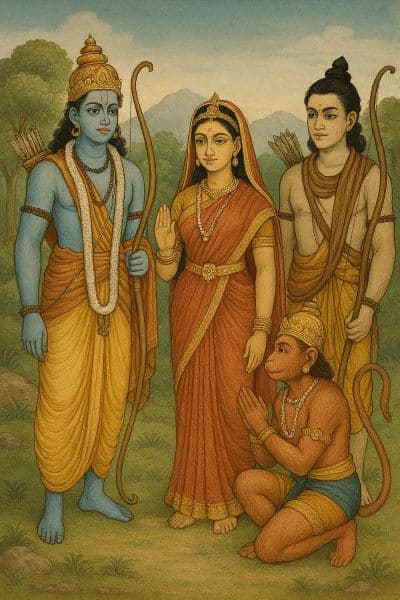
Rama, Sita, Lakshmana and Hanuman
Festival idols and procession

Child dressed as Rama
Traditional costume at celebrations
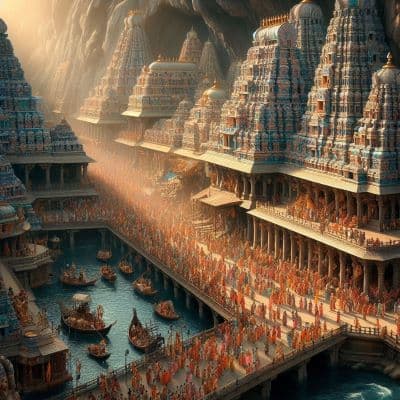
Ayodhya Celebrations
Grand celebrations at Ram Janmabhoomi
Rama Navami in the Telugu Festival Calendar
Planning your Rama Navami celebrations becomes easier when you see it in the wider sequence of Telugu observances. Families often compare customs from Ugadi, Sankranti, Krishna Janmashtami, Diwali to understand how seasonal rituals, fasting practices, and temple visits connect across the year.
For a broader cultural background, read About Telugu Festivals. That overview helps students and families understand how regional panchangam traditions shape puja timing, community events, and local variations from one festival page to another.
Explore Other Festivals
Discover the rich cultural heritage of India through its diverse festivals
Meaningful Celebration Ideas
Read Ramayana
Dedicate time to read or listen to the epic Ramayana to understand Rama's life and teachings.
Practice Seva
Engage in selfless service to help those in need, following Rama's example of compassion.
Reflect on Values
Spend time reflecting on how to incorporate Rama's virtues into your daily life.
Happy Rama Navami!
May Lord Rama bless you with strength, wisdom, and righteousness
जय श्री राम! जय सिया राम!
Related Telugu Festivals
Explore more celebrations in the Telugu festival calendar such as Ugadi, Sankranti, Krishna Janmashtami, and Maha Shivaratri. You can also visit About Telugu Festivals for seasonal context, traditions, and cultural background.