Maha Shivaratri — The Great Night of Lord Shiva
Celebrating the cosmic dance of Lord Shiva, spiritual awakening, and divine grace
Maha Shivaratri 2026
2026 Date, Tithi & Nishita Kaal
Main observance night — Thursday
Night vigil; some calendars may shift by one day per tithi rules.
- Chaturdashi Tithi Begins: 3:19 PM IST on 25 February 2026 (indicative)
- Chaturdashi Tithi Ends: 1:12 PM IST on 26 February 2026 (indicative)
- Nishita Kaal Puja: Midnight — main Shiva puja window often around 12:00 AM to 1:00 AM IST into 27 February 2026 (confirm muhurat locally)
- Best Time for Puja: Night hours — full jagaran with four prahars of the night
Note: Indicative IST times for students and planning; sampradaya, drik panchang, and city longitude can change Nishita—always follow your local almanac or temple.
Divine Night
The most auspicious night dedicated to Lord Shiva's cosmic dance
All-Night Vigil
Devotees observe Jagaran - staying awake all night in prayer and meditation
Bilva Offering
Sacred Bilva leaves offered to Shiva Lingam with devotion
What Is Maha Shivaratri?
Maha Shivaratri honors Lord Shiva, one of the principal deities in Hinduism—often described as part of the Trimurti with Brahma and Vishnu. Meaning “The Great Night of Shiva”, it is among the most widely observed Shaiva festivals and celebrates Shiva’s grace, austerity, and cosmic role—including his sacred dance (Tandava) as creation, preservation, and dissolution are recalled in devotion.
This sacred festival falls on the 14th day (Chaturdashi) of the dark fortnight (Krishna Paksha) in the Hindu month of Phalguna (February–March in the Gregorian calendar). Devotees observe fasting, perform special pujas, and stay awake all night chanting Om Namah Shivaya to seek blessings.
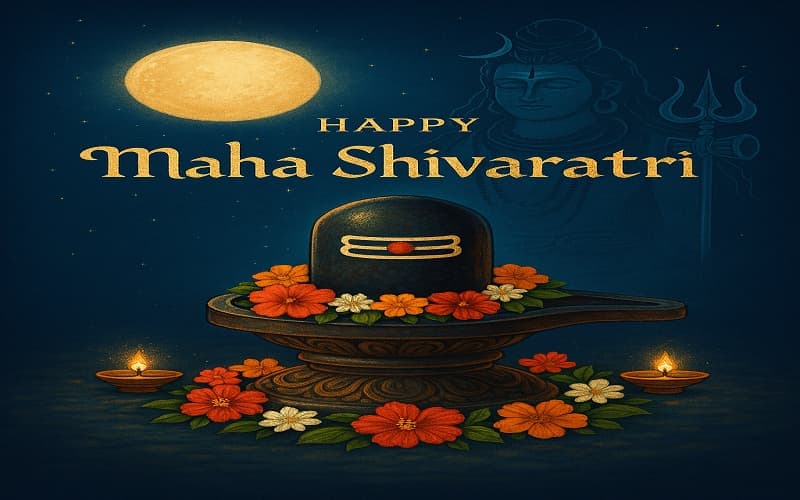
The Sacred Shiva Lingam
Home Puja: Six Simple Steps
Six simple steps for abhishekam, bilva, mantra, and Nishita Kaal—adapt to your family tradition.
- Take bath and clean puja area
- Place Shiva Lingam
- Offer water, milk, honey (Abhishekam)
- Offer Bilva leaves
- Chant "Om Namah Shivaya"
- Perform puja during Nishita Kaal
Fasting (Vrata): Guidelines
Vrata intensity varies—choose what health and your lineage allow.
- Observe Nirjala (no water) or fruit / milk fast according to health and lineage
- Avoid grains and cooked meals during strict vrata where prescribed
- Break fast the next morning after night puja and bath (timing varies by tradition)
- Maintain purity of body and mind—focus on devotion rather than competition over severity
The Four Prahars of the Night
Devotees perform Shiva puja in four parts of the night called Prahars (each roughly three hours), staying awake with jagaran:
Exact division of night hours and substances can vary by temple or family—some traditions use five or more offerings (panchamrit).
How People Observe the Great Night
Night-long Vigil
Devotees stay awake throughout the night, engaging in prayers, chanting, and meditation. This practice symbolizes overcoming darkness and ignorance.
Bilva Patra Puja
The sacred Bilva (Bael) leaves are offered to Shiva Lingam throughout the night. Each leaf represents purification of the soul.
Abhishekam
Ritual bathing of Shiva Lingam with milk, honey, yogurt, ghee, sugar, and water while chanting sacred mantras.
Sacred Fires
Homas (sacred fire rituals) are performed to invoke divine energies and purify the environment.
Jagaran
Night-long vigil and prayers
Bilva Archana
Offering Bilva leaves
Panchamrit Abhishek
Sacred bath with five nectars
Dakshina
Charity and donations
Festival in Pictures
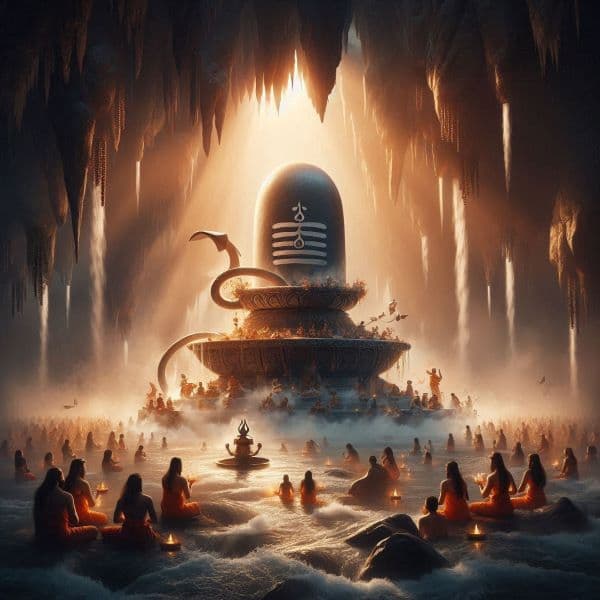
Abhishekam Ceremony
Ritual bathing of Shiva Lingam
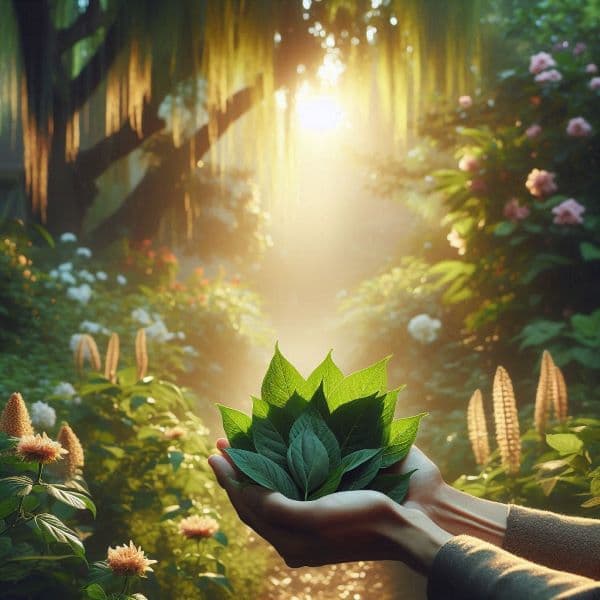
Bilva Offering
Sacred leaves for Shiva worship
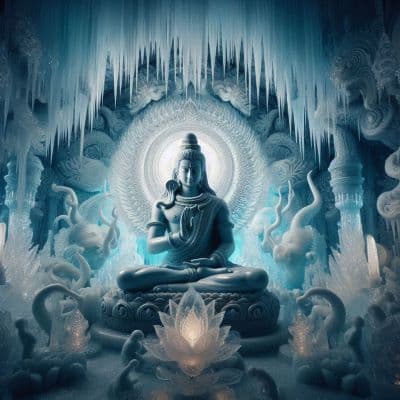
Temple Decorations
Beautifully adorned Shiva temples
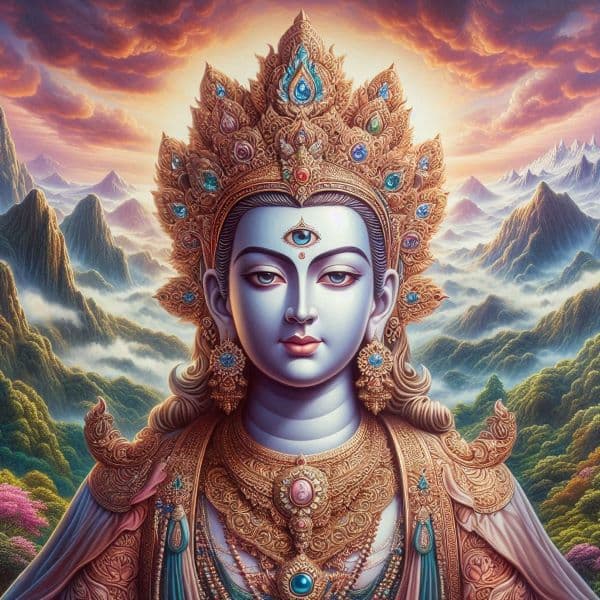
Trinetra
Shiva's third eye of wisdom
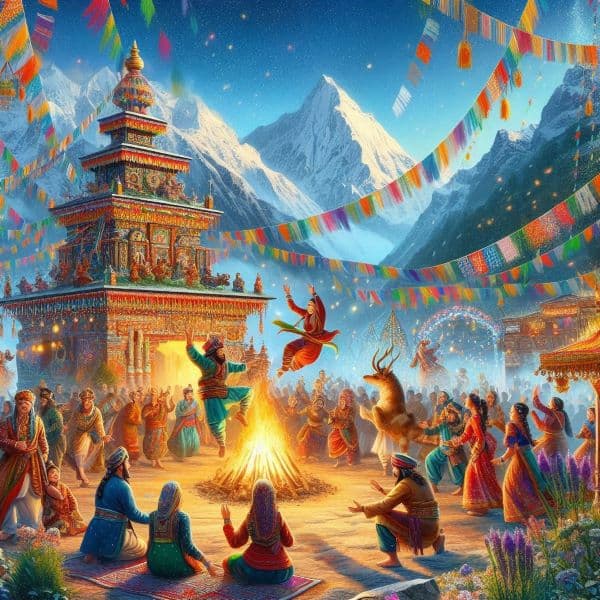
Chanting and Bhajans
Devotional prayers throughout the night
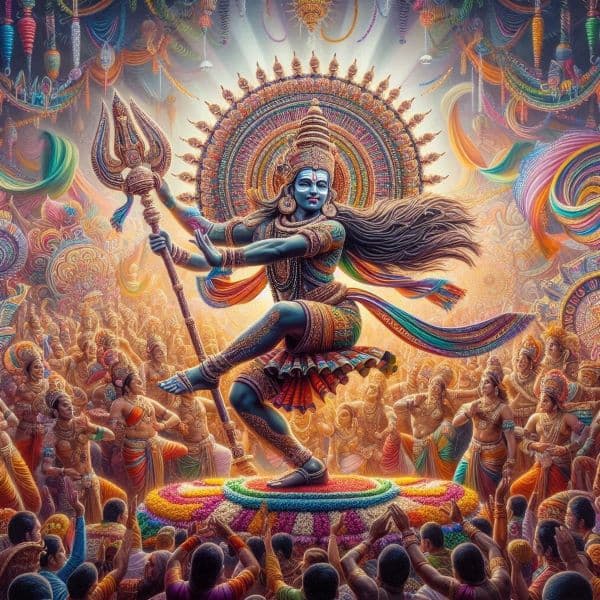
Tandava Dance
Cosmic dance of creation and destruction
More Telugu Festivals on the Calendar
Place Shivaratri alongside other observances: compare seasons with Ugadi, Sankranti, Rama Navami, and Krishna Janmashtami. For how regional panchangam shapes dates and customs, see About Telugu Festivals.
Explore more festivals across India:
Why the Night Matters (Tattva)
Cosmic Balance
Maha Shivaratri represents the balance between creation and destruction in the cosmic cycle.
Spiritual Awakening
The night symbolizes awakening from the darkness of ignorance to the light of consciousness.
Divine Marriage
Celebrates the sacred union of Shiva and Parvati, representing the merging of individual and universal consciousness.
Your Questions Answered
FAQ Snapshot (1–10)
Short labels only—not the full FAQ wording above. Rows follow the same order as FAQ items 1–10; open each accordion for complete answers. For 2026 timings, see the 2026 date, tithi & Nishita Kaal section on this page.