Raksha Bandhan
Celebrating the Eternal Bond Between Brothers and Sisters
Raksha Bandhan 2026: Date & Auspicious Timings
Raksha Bandhan 2026
Saturday, August 8, 2026
Shravan Purnima Tithi Starts: 07:02 PM on Aug 7, 2026
Shravan Purnima Tithi Ends: 04:05 PM on Aug 8, 2026
Auspicious Rakhi Timing
Best Time for Rakhi Tying:
09:30 AM to 03:00 PM
Aparahna Muhurat: 01:30 PM to 04:00 PM
*Timings for New Delhi, India. Confirm local panchangam.Note: Avoid Bhadra timings for Rakhi tying. Some communities prefer tying Rakhi after Bhadra ends in the evening. Always consult local pandit for exact muhurat.
Upcoming Raksha Bandhan Dates (2025–2030)
| Year | Date | Day | Best Muhurat (approx) |
|---|---|---|---|
| 2025 | August 9 | Saturday | Morning to Afternoon |
| 2026 | August 8 | Saturday | 09:30 AM – 03:00 PM |
| 2027 | August 27 | Friday | Morning to Afternoon |
| 2028 | August 15 | Tuesday | Morning to Afternoon |
| 2029 | August 4 | Saturday | Morning to Afternoon |
| 2030 | August 24 | Saturday | Morning to Afternoon |
Countdown to Raksha Bandhan 2026
Based on 8 August 2026 (IST). Updates when you load the page.
Protection Promise
The sacred thread symbolizes a brother's vow to protect his sister throughout life
Sibling Love
Celebrates the pure and unconditional love between brothers and sisters
Gift of Love
Exchange of gifts symbolizes the sharing of happiness and blessings
About Raksha Bandhan
Raksha Bandhan, also known as Rakhi, is a cherished Hindu festival that celebrates the beautiful bond between brothers and sisters. The name translates to "the bond of protection," symbolizing a brother's lifelong commitment to protect his sister.
This auspicious festival typically falls on the full moon day of the Hindu month of Shravana (July-August). Sisters tie a sacred thread called "Rakhi" around their brothers' wrists, praying for their well-being, while brothers pledge to protect their sisters and give them gifts as a token of their love.
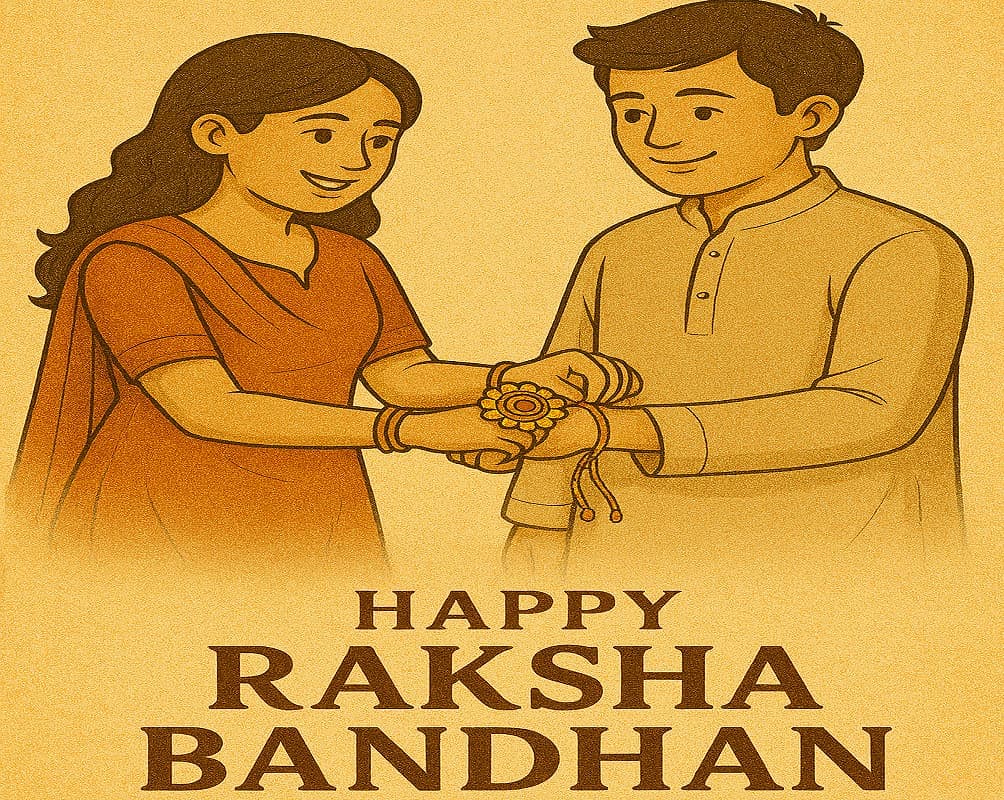
Happy Rakhi
Rakhi Puja Vidhi: Step-by-Step Ritual Guide
Step 1: Morning Preparation
- Wake up early and take a holy bath
- Clean the puja area and decorate with rangoli
- Arrange the puja thali with Rakhi, roli, rice, sweets, diya, and flowers
Step 2: Invocation
- Light the diya and incense sticks
- Invoke Lord Ganesha for auspicious beginning
- Recite Raksha Bandhan mantra: "Yena baddho balee raajaa daanavendro mahaabalah..."
Step 3: Rakhi Tying Ceremony
- Sister applies tilak on brother's forehead
- Performs aarti of the brother
- Ties Rakhi while chanting prayers for brother's long life and protection
Step 4: Blessings & Gift Exchange
- Brother gives gifts or money (shagun) to sister
- Brother promises to protect sister throughout life
- Family shares sweets and festive meal together
Raksha Bandhan Traditions
Puja Preparation
Sisters prepare the puja thali with Rakhi, rice, sweets, diya, vermilion, and flowers. The thali is decorated beautifully with love and devotion.
Rakhi Tying Ceremony
Sisters tie the sacred thread while chanting prayers for their brothers' well-being, applying tilak, and performing aarti.
Gift Exchange
Brothers give gifts to sisters as a token of their love and protection promise. Gifts can range from sweets to jewelry or thoughtful presents.
Festive Feast
Families prepare special meals and sweets like ladoos, barfis, and traditional dishes to celebrate the occasion together.
Significance of Raksha Bandhan
Protective Bond
The Rakhi thread symbolizes a sacred promise of protection that transcends time and distance, reinforcing the brother's role as a protector.
Family Unity
Raksha Bandhan strengthens family bonds, bringing together relatives and reinforcing traditional values of love and responsibility.
Universal Brotherhood
The festival extends beyond biological siblings to celebrate all protective relationships, promoting social harmony and universal brotherhood.
Cultural Heritage
Raksha Bandhan preserves ancient Indian traditions and cultural values, passing them down through generations.
Mythological Stories Behind Raksha Bandhan
Indra and Indrani
According to Bhavishya Purana, when Lord Indra was defeated by demons, his wife Indrani tied a sacred thread on his wrist, and he emerged victorious in the subsequent battle. This is considered one traditional origin of Raksha Bandhan.
King Bali and Goddess Lakshmi
Lord Vishnu guarded King Bali's realm. Goddess Lakshmi tied Rakhi to Bali, who then asked Vishnu to return with her to Vaikuntha. The story shows Rakhi as a bond beyond only biological siblings.
Rakhi Gift Ideas for Every Budget
Traditional Gifts
Sweets, dry fruits, chocolates, festive hampers
Apparel & Accessories
Clothing, watches, jewelry, wallets, perfumes
Tech Gifts
Headphones, smartwatches, accessories (age-appropriate)
Personalized Gifts
Custom mugs, photo frames, engraved items, albums
Eco-Friendly Raksha Bandhan Celebration
Seed Rakhi
Rakhis designed to grow into plants after planting
Recycled Paper Rakhi
Handmade from recycled paper and natural threads
Natural Dyes
Plant-based colors for threads where possible
Low-Waste Gifts
Experiences, donations, plants—reduce plastic packaging
Regional Celebrations Across India
North India
Grand family gatherings, sweets like gujiya and ladoos
Maharashtra
Often overlaps with Narali Purnima—coconut offerings to the sea
South India
Avani Avittam—sacred thread (yajnopavita) renewal for many Brahmins
West Bengal
Jhulan Purnima—Krishna–Radha swings; festive Rakhis in markets
Raksha Bandhan Gallery
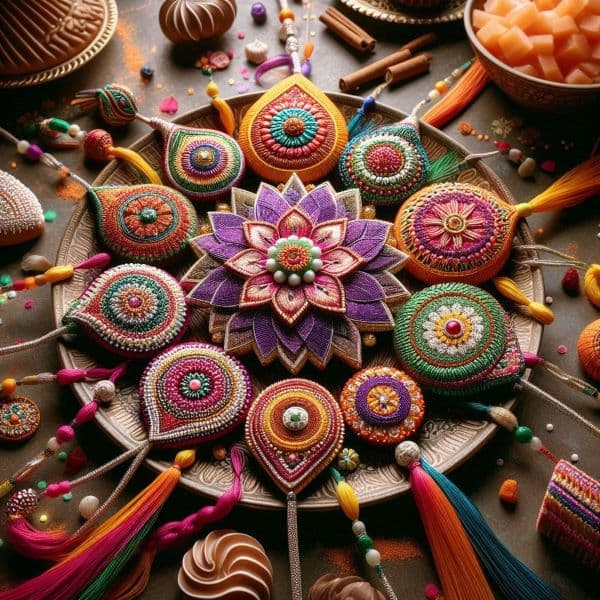
Rakhi Designs
Beautiful and intricate Rakhi designs
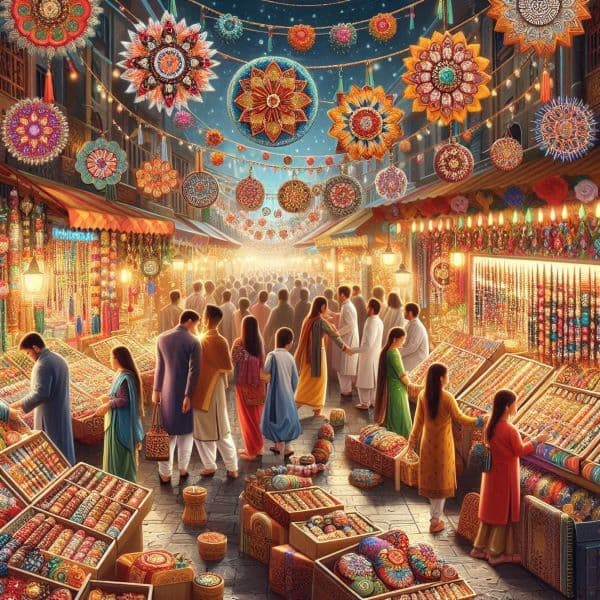
Purchase Rakhi
People purchasing Rakhi
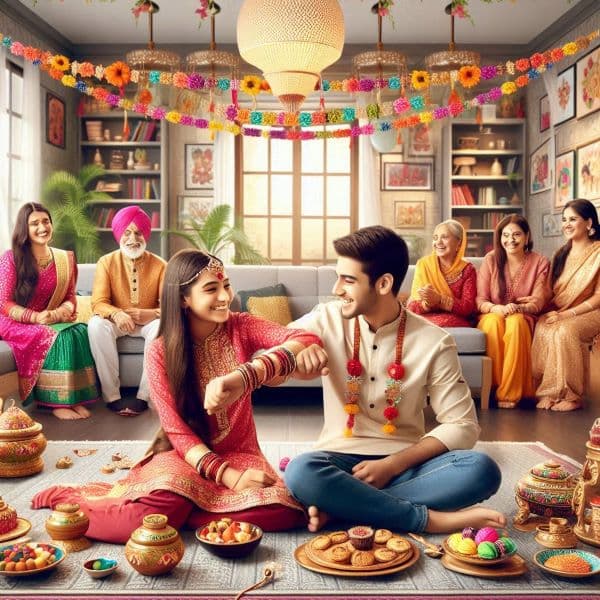
Sibling Bonding
Heartwarming sibling moments
Historical and Mythological Significance
Krishna & Draupadi
In Mahabharata, Lord Krishna protected Draupadi when she tied a piece of her sari to his wounded finger, treating it as a Rakhi.
Rani Karnavati
Rani Karnavati of Mewar sent a Rakhi to Emperor Humayun seeking protection, demonstrating Rakhi's protective significance in history.
Raksha Bandhan in the Telugu Festival Calendar
Planning your Raksha Bandhan celebrations becomes easier when you see it in the wider sequence of Telugu observances. Families often compare customs from Ugadi, Sankranti, Rama Navami, Krishna Janmashtami to understand how seasonal rituals, fasting practices, and temple visits connect across the year.
For a broader cultural background, read About Telugu Festivals. That overview helps students and families understand how regional panchangam traditions shape puja timing, community events, and local variations from one festival page to another.
Explore Other Festivals
Discover the rich cultural heritage of India through its diverse festivals
Modern Celebrations
Virtual Celebrations
Siblings separated by distance celebrate through video calls, e-rakhis, and online gift deliveries.
Global Observance
Celebrated worldwide by Indian diaspora, promoting cultural unity and traditional values globally.
Inclusive Celebrations
Extended to cousins, friends, and non-biological siblings, celebrating all forms of protective bonds.
Frequently Asked Questions
Related Telugu Festivals
Explore more celebrations in the Telugu festival calendar such as Ugadi, Sankranti, Rama Navami, and Krishna Janmashtami. You can also visit About Telugu Festivals for seasonal context, traditions, and cultural background.