Kartik Purnima - The Sacred Full Moon
Celebrating divine light, spiritual purification, and celestial blessings
Kartik Purnima 2026: Date & Timings
Kartik Purnima 2026
Tuesday, November 3, 2026
Purnima Tithi Starts: 07:02 PM on Nov 2, 2026
Purnima Tithi Ends: 04:05 PM on Nov 3, 2026
Moonrise Time: 05:48 PM (Nov 3, 2026)
Sacred Kartik Snan
Best Time for Holy Bath: Early morning (Brahma Muhurta)
4:00 AM to 6:00 AM on November 3, 2026
Deep Daan Muhurat: Sunset to 8:00 PM
*Timings are for New Delhi, India. Confirm local panchangam.Note: Kartik Purnima is also known as Tripuri Purnima, Deva-Diwali, and Ganga Purnima in different regions.
Upcoming Kartik Purnima Dates (2025-2030)
| Year | Date | Day | Purnima Start (approx) |
|---|---|---|---|
| 2025 | November 5 | Wednesday | Evening of Nov 4 |
| 2026 | November 3 | Tuesday | Evening of Nov 2 |
| 2027 | November 13 | Saturday | Morning of Nov 13 |
| 2028 | November 1 | Wednesday | Evening of Oct 31 |
| 2029 | November 20 | Tuesday | Morning of Nov 20 |
| 2030 | November 9 | Saturday | Evening of Nov 8 |
Sacred Full Moon
Most auspicious full moon of the Hindu calendar for spiritual practices
Holy Baths
Ritual bathing in sacred rivers, especially at pilgrimage sites
Devotional Worship
Special prayers to Lord Vishnu, Shiva, and Devtas
About Kartik Purnima
Kartik Purnima, also known as Tripuri Purnima or Deva-Diwali, is a highly significant Hindu festival celebrated on the full moon day of the Kartik month (October-November). It is considered one of the most auspicious days for spiritual practices and religious rituals.
This festival holds immense importance in Hinduism, Jainism, and Sikhism. It marks the victory of Lord Shiva over the demon Tripurasura and is also celebrated as the birthday of Matsya (fish incarnation of Lord Vishnu) and the birth of Vrinda, the personification of Tulsi.
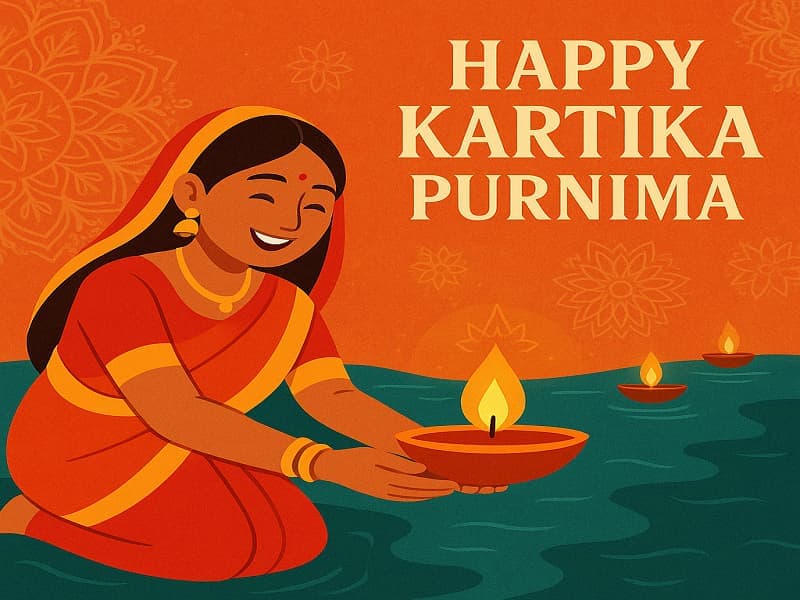
Kartik Purnima — sacred full moon
Tripuri Purnima: The Victory of Lord Shiva
According to the Shiva Purana, Kartik Purnima commemorates Lord Shiva's victory over the three demons—Tarakaksha, Kamalaksha, and Vidyunmali—who had built three flying cities called Tripura (one of gold, one of silver, and one of iron).
The demons became invincible because their cities aligned only once every 1000 years. On this auspicious day, Lord Shiva destroyed all three cities with a single arrow from his famous bow, Pinaka. Hence, Kartik Purnima is also called Tripuri Purnima.
This legend symbolizes the destruction of the three qualities of Maya: ego (Ahamkara), attachments (Moha), and ignorance (Avidya).
Kartik Snan - The Sacred Holy Bath
The entire month of Kartik is considered highly auspicious for holy bathing, but the Purnima day (full moon) is the most significant. Devotees wake up before sunrise (Brahma Muhurta) and proceed to sacred rivers, lakes, or even home shrines for ritual bathing.
Significance of Kartik Snan:
- Destroys sins of countless past births
- Brings peace to ancestors (Pitrs)
- Leads to liberation (Moksha) from cycle of rebirth
- Bestows health, wealth, and success
Important Pilgrimage Sites for Kartik Snan:
Kartik Purnima Traditions
Sacred Bathing (Snan)
Devotees take early morning baths in holy rivers like Ganga, Yamuna, and other sacred water bodies. This ritual is believed to wash away sins and bring spiritual purification.
Lord Shiva Worship
Special prayers and abhishekam are performed for Lord Shiva, commemorating his victory over the demon Tripurasura. The festival is also known as Tripuri Purnima.
Tulsi Puja
The Tulsi plant is worshipped with great devotion. The Tulsi Vivah ceremony, marking the marriage of Tulsi with Lord Vishnu, often begins on this day.
Diya Dana
Lighting lamps near Tulsi plants, in temples, and donating lamps (diya dana) is considered highly meritorious. The act symbolizes spreading divine light.
Ganga Snan
Holy bath in sacred rivers
Moon Worship
Chandra Darshan and prayers
Deep Daan
Offering lamps to holy waters
Dana Punya
Charity and donations
Dev Deepawali — The Festival of Lights for the Gods
In Varanasi (Kashi), Kartik Purnima is celebrated as Dev Deepawali (“Diwali of the Gods”). It is believed that on this full moon, the devas descend to bathe in Mother Ganga—and the ghats blaze with countless diyas, turning the riverfront into a river of light.
Families and pilgrims light earthen lamps along the ghats, offer prayers to Ganga Maiya, and participate in evening aarti. The sight of synchronized lamps, chanting, and bells makes this one of North India’s most unforgettable Kartik Purnima experiences—distinct from (but spiritually resonant with) household Diwali.
Kartik Purnima Celebrations Across India
Uttar Pradesh
Varanasi: Dev Deepawali with millions of diyas on Ganga ghats
Odisha
Boita Bandana: Floating miniature boats to honor ancient maritime trade
Punjab
Kartik Purnima: Celebrated as birthday of Guru Nanak Dev Ji (Sikhism)
Maharashtra
Tulsi Vivah: Marriage ceremony of Tulsi plant with Lord Vishnu
Tulsi Puja & Tulsi Vivah on Kartik Purnima
In many regions, especially Maharashtra and South India, Kartik Purnima marks the beginning of Tulsi Vivah — the ceremonial marriage of the Tulsi (Holy Basil) plant with Lord Vishnu (in the form of Shaligram or Krishna).
The Tulsi plant is considered an incarnation of Goddess Lakshmi, and her marriage to Vishnu symbolizes the union of prosperity with divine preservation.
Tulsi Vivah Rituals: The Tulsi plant is decorated like a bride, while the Shaligram or Vishnu idol is adorned as the groom. Devotees perform marriage ceremonies, offer sweets, and chant mantras for prosperity and happiness.
Kartik Purnima Vrat Vidhi (Fasting Method)
Step 1: Wake Up Early
Wake up during Brahma Muhurta (4:00–6:00 AM)
Step 2: Holy Bath
Take a ritual bath in sacred river or at home
Step 3: Sankalp
Take a vow for fasting with devotion
Step 4: Deep Daan
Light lamps in the evening and offer to Lord Vishnu/Shiva
Kartik Purnima Gallery
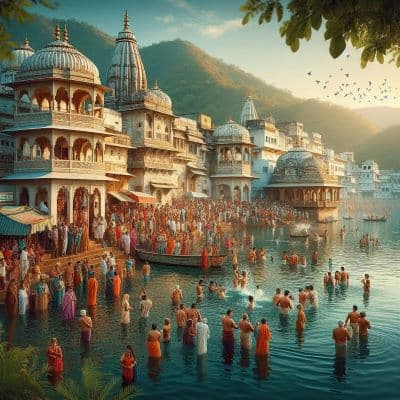
Sacred Bathing
Devotees taking holy dip in rivers
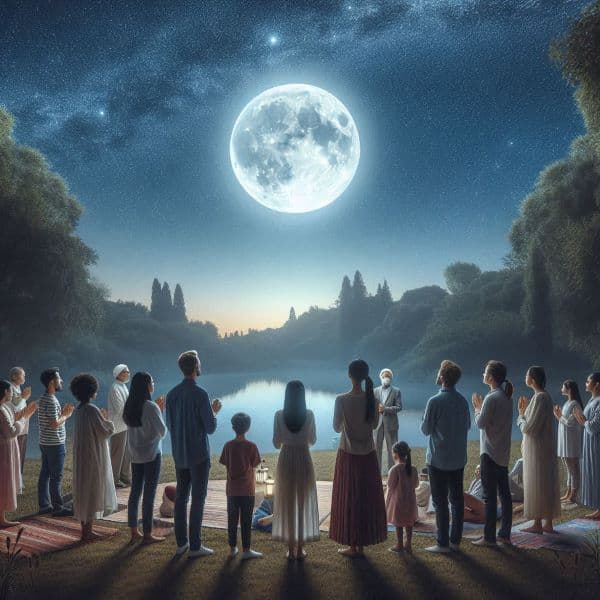
Full Moon
The auspicious Kartik full moon
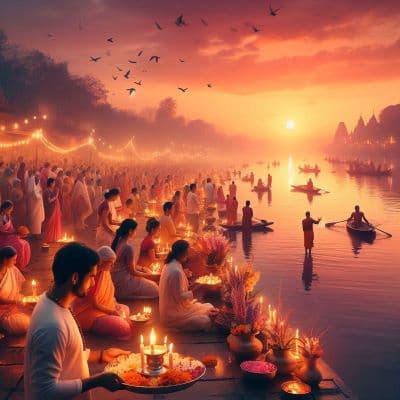
Diya Lighting
Lamps floating in holy waters
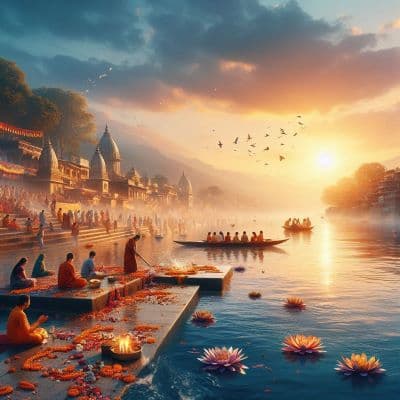
Evening Aarti
Devotional prayers and ceremonies
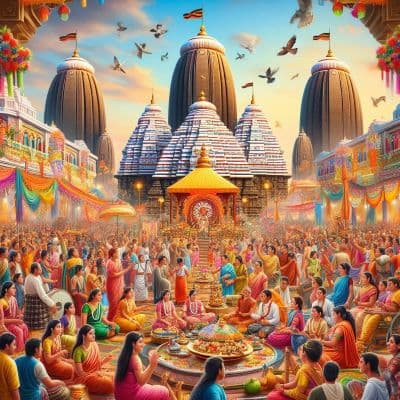
Visiting Temple
Visiting Temple
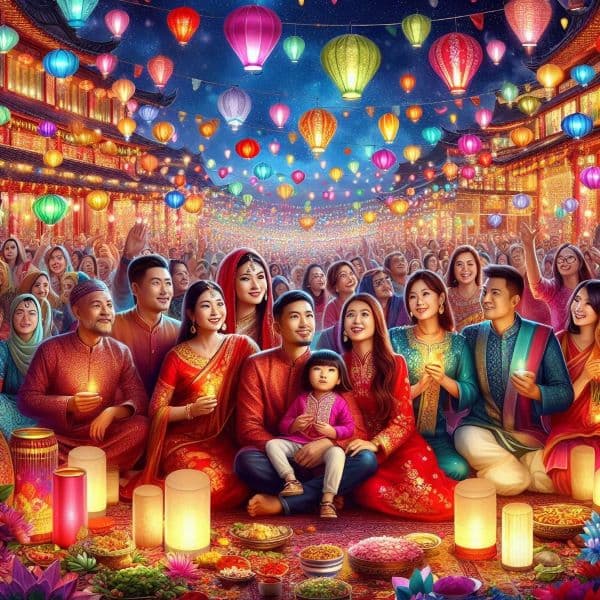
Family celebrations
Family celebrations
Spiritual Significance
Celestial Alignment
The full moon in Kartik month creates powerful spiritual energies for inner transformation.
Karma Cleansing
Rituals performed on this day are believed to cleanse past karmas and bring spiritual merit.
Divine Connection
Strengthens connection with divine energies and brings blessings from celestial beings.
Kartika Purnima in the Telugu Festival Calendar
Planning your Kartika Purnima celebrations becomes easier when you see it in the wider sequence of Telugu observances. Families often compare customs from Ugadi, Sankranti, Rama Navami, Krishna Janmashtami to understand how seasonal rituals, fasting practices, and temple visits connect across the year.
For a broader cultural background, read About Telugu Festivals. That overview helps students and families understand how regional panchangam traditions shape puja timing, community events, and local variations from one festival page to another.
Explore Other Festivals
Discover the rich cultural heritage of India through its diverse festivals
When Is Kartika Purnima Celebrated?
Kartika Purnima is observed on the full moon day of Kartika month in the Hindu lunisolar calendar.
Its timing shifts each year, usually in November, because full-moon tithi does not match fixed solar dates.
Practical note: festival dates can differ by region, temple tradition, and the panchangam or calendar (amanta/purnimanta, drik/vakya) followed locally, so always confirm with your local almanac.
Frequently Asked Questions
Related Telugu Festivals
Explore more celebrations in the Telugu festival calendar such as Ugadi; Sankranti; Rama Navami; Krishna Janmashtami. You can also visit About Telugu Festivals for the complete seasonal context, traditions, and cultural background.