Vasantha Panchami - Festival of Spring
Celebrating the arrival of spring, wisdom, and the blessings of Goddess Saraswati
Vasant Panchami 2026: Date & Auspicious Timings
Vasant Panchami 2026
Friday, January 23, 2026
Panchami Tithi Starts: 08:30 AM on Jan 23, 2026
Panchami Tithi Ends: 06:15 AM on Jan 24, 2026
Saraswati Puja Muhurat
Best Time for Puja: 07:30 AM to 12:30 PM
Purvahna (Morning) Muhurat: 08:30 AM to 10:30 AM
*Timings for New Delhi, India. Confirm local panchangam.Note: Vasant Panchami marks the beginning of spring and is highly auspicious for starting new learning (Vidya Arambham).
Upcoming Vasant Panchami Dates (2025-2030)
| Year | Date | Day |
|---|---|---|
| 2025 | February 2 | Sunday |
| 2026 | January 23 | Friday |
| 2027 | February 11 | Thursday |
| 2028 | January 31 | Monday |
| 2029 | January 18 | Thursday |
| 2030 | February 7 | Thursday |
Goddess Saraswati
Worship of the goddess of knowledge, music, arts, and wisdom
Arrival of Spring
Celebrating the end of winter and beginning of the spring season
Yellow Theme
Wearing yellow clothes and offering yellow flowers to the goddess
About Vasantha Panchami
Vasantha Panchami, also known as Saraswati Puja, is a vibrant Hindu festival that marks the arrival of the spring season. Celebrated on the fifth day (Panchami) of the Hindu month of Magha (January-February), this festival honors Goddess Saraswati, the deity of knowledge, music, arts, and wisdom.
This auspicious day is considered highly favorable for beginning new learning, with many children starting their education on this day. The festival symbolizes the awakening of nature and the blossoming of new life, mirroring the blossoming of knowledge and creativity in human consciousness.
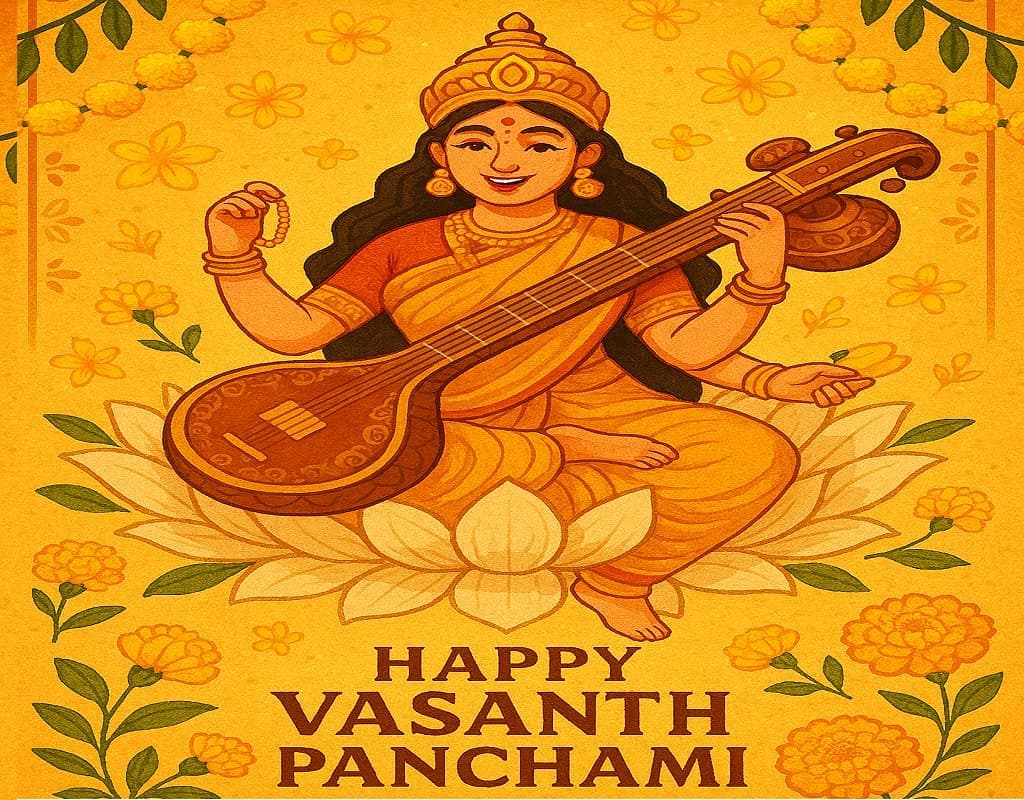
Happy Vasantha Panchami
Vasantha Panchami Traditions
Saraswati Puja
Devotees worship Goddess Saraswati by offering prayers, flowers, and sweets. Books, musical instruments, and tools are placed before the goddess for blessings.
Yellow Attire
People wear yellow clothes, as yellow represents the vibrancy of spring and the blossoming mustard fields. Yellow flowers are offered to the goddess.
Vidya Arambham
Children are initiated into the world of learning on this day. The ceremony involves writing the first letters with the guidance of elders or teachers.
Special Foods
Traditional sweets like kesari bhaat (saffron rice), khichdi, and yellow-colored dishes are prepared and shared with family and friends.
Saraswati Vandana
Chanting prayers to Goddess Saraswati
Akshar Abhyas
Initiating children into writing
Musical Programs
Cultural events and music performances
Prasad Distribution
Sharing blessed food with community
Vidya Arambham - The Sacred Initiation into Learning
Vidya Arambham (also known as Akshar Abhyasam) is one of the most significant rituals performed on Vasant Panchami. It marks a child's first step into the world of letters and knowledge.
The ceremony involves:
- The child sits on the lap of a teacher or elder
- The first letters "Om Hari Shri Ganapataye Namah" are written on rice or a slate
- Special prayers are offered to Goddess Saraswati
- The child is blessed for a successful educational journey
This ritual is considered highly auspicious as Vasant Panchami is believed to be the birthday of Goddess Saraswati.
Start of Education
Many schools and preschools organize Vidya Arambham ceremonies on this day.
Saraswati Vandana - Sacred Mantras & Prayers
Popular Saraswati Mantra
"Ya Kundendu Tushara Hara Dhavala, Ya Shubhra Vastravrita
Ya Veena Vara Danda Mandita Kara, Ya Shveta Padmasana
Ya Brahmaachyuta Shankara Prabrutibhir Devai Sada Pujita
Sa Mam Patu Saraswati Bhagavati Nihshesha Jadyapaha"
Meaning: Salutations to Goddess Saraswati, who is as white as the jasmine flower, the moon, and a garland of snow; who is adorned in white robes; who holds the veena; who is seated on a white lotus; who is always worshipped by Brahma, Vishnu, and Shiva; please remove my ignorance and bless me.
Simple Saraswati Mantra
"Om Aim Saraswatyai Namah"
How to chant: This mantra can be chanted 108 times during Saraswati Puja. It is believed to enhance memory, concentration, and creative abilities.
For Students: "Om Aing Hreeng Kleeng Mahasaraswatyai Namah"
Vasant Panchami Celebrations Across India
West Bengal
Grand Saraswati Puja in homes and educational institutions. Idol immersion after 3-5 days.
Bihar & UP
Special Saraswati Puja in schools. Children start writing first letters.
Punjab
Kite flying festivals in mustard fields. Wearing yellow clothes.
South India
Known as Sri Panchami. Books and musical instruments are placed for worship.
Yellow Delights: Traditional Vasant Panchami Recipes
Kesari Bhaat
Saffron rice with nuts and raisins - a sweet yellow delicacy
Khichdi
Yellow lentil and rice preparation offered as prasad
Boondi Laddu
Yellow sweet balls made from gram flour and sugar syrup
🌿 Eco-Friendly Vasant Panchami Celebration
Natural Colors
Use turmeric for yellow rangoli instead of chemical colors
Clay Idols
Use eco-friendly clay idols of Goddess Saraswati
Plant a Tree
Plant a yellow-flowering tree to celebrate the arrival of spring
Vasantha Panchami Gallery

Saraswati Puja
Devotional prayers to Goddess Saraswati
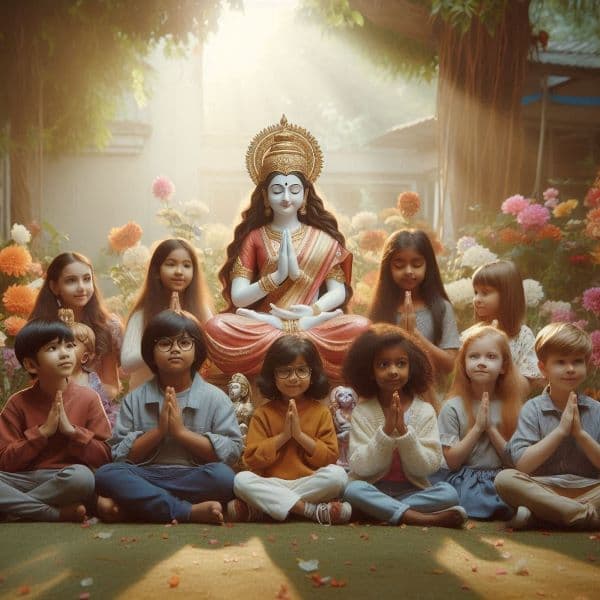
Kids praying Saraswathi
Children seeking blessings for knowledge
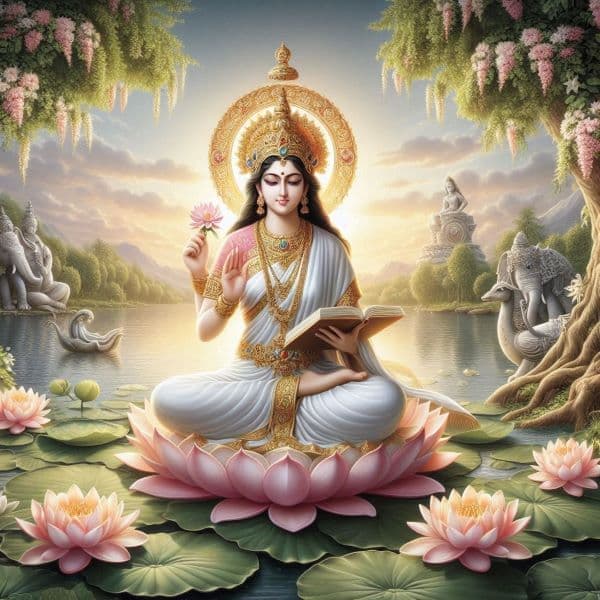
Goddess Saraswati
Deity of knowledge with sacred book
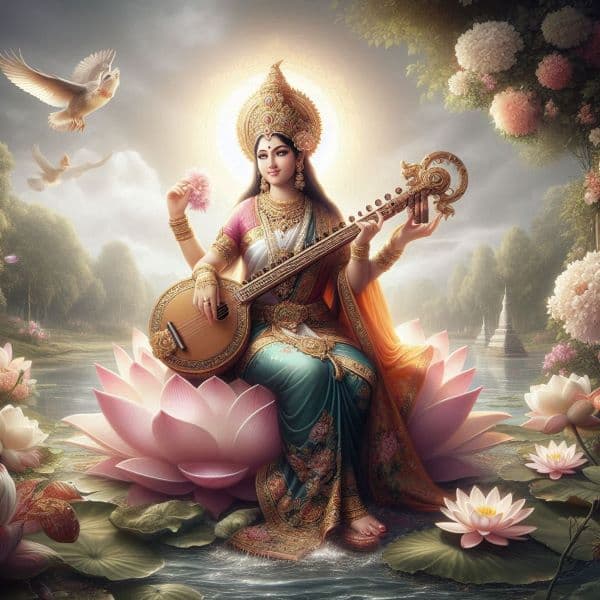
Saraswati with Veena
Goddess of music and arts with veena
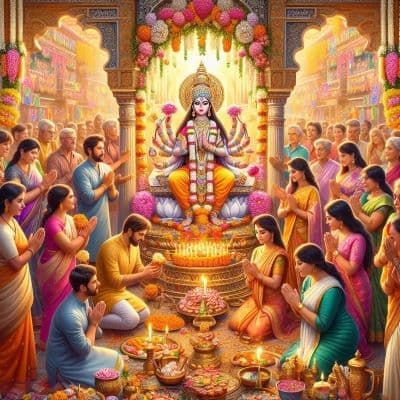
Saraswati Worship
Traditional puja ceremonies
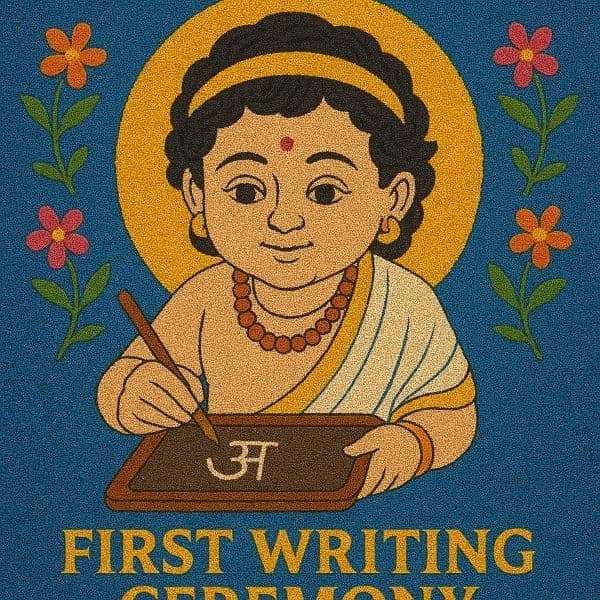
Vidya Arambham
Initiating children into learning
Vasant Panchami in the Telugu Festival Calendar
Planning your Vasant Panchami celebrations becomes easier when you see it in the wider sequence of Telugu observances. Families often compare customs from Ugadi, Sankranti, Rama Navami, Krishna Janmashtami to understand how seasonal rituals, fasting practices, and temple visits connect across the year.
For a broader cultural background, read About Telugu Festivals. That overview helps students and families understand how regional panchangam traditions shape puja timing, community events, and local variations from one festival page to another.
Explore Other Festivals
Discover the rich cultural heritage of India through its diverse festivals
Spiritual Significance
Knowledge Awakening
Vasantha Panchami symbolizes the awakening of inner knowledge and the pursuit of wisdom.
Seasonal Transition
Marks the transition from winter to spring, representing new beginnings and growth.
Creative Expression
Honors all forms of creative expression through the worship of Goddess Saraswati.
When Is Vasant Panchami Celebrated?
Vasant Panchami is celebrated on Magha Shukla Panchami, marking the early spring phase in the Hindu calendar.
The date varies in January or February because Panchami tithi follows lunar motion.
Practical note: festival dates can differ by region, temple tradition, and the panchangam or calendar (amanta/purnimanta, drik/vakya) followed locally, so always confirm with your local almanac.
Frequently Asked Questions
Related Telugu Festivals
Explore more celebrations in the Telugu festival calendar such as Ugadi; Sankranti; Rama Navami; Krishna Janmashtami. You can also visit About Telugu Festivals for the complete seasonal context, traditions, and cultural background.