Guru Purnima - The Full Moon of Enlightenment
Honoring the spiritual teachers who illuminate the path to wisdom. Planning Guru Purnima 2026 or searching when is Guru Purnima? The Guru Purnima 2026 date and Guru Purnima puja timings for Vyasa Purnima 2026 are listed in the section below.
Guru Purnima 2026: Date & Auspicious Time
Guru Purnima 2026 Date
Wednesday, June 30, 2026
The sacred festival of Guru Purnima, also known as Vyasa Purnima, will be celebrated on this day.
Purnima Tithi Timings
Starts: 07:02 PM on June 29, 2026
Ends: 04:05 PM on June 30, 2026
*Timings are for New Delhi, India. Variations may occur based on your location.
Note on Dates: Purnima tithi timings vary by timezone and panchangam. For precise local timings, especially for rituals like Guru Puja or Vyasa Puja, please consult a local priest or a regional almanac.
Key Features of Guru Purnima
Guru Vandana
Offering respect and gratitude to spiritual teachers and mentors
Full Moon Blessings
Celebrated on the full moon day of the Ashadha month
Wisdom Transmission
Seeking blessings for spiritual growth and knowledge
Honoring Ved Vyasa: The Adi Guru
Guru Purnima is also celebrated as Vyasa Purnima, commemorating the birth anniversary of the great sage Ved Vyasa. He is credited with:
- Compiling the four Vedas (Rig, Yajur, Sama, Atharva)
- Writing the Mahabharata, which includes the Bhagavad Gita
- Authoring the 18 major Puranas
- Creating the foundations of Vedanta philosophy
On this day, disciples perform Vyasa Puja, offering flowers, fruits, and gratitude to the lineage of gurus, with Vyasa as the first or foremost guru. For Vyasa Puja muhurat and exact Guru Purnima puja timings, confirm with your local almanac.

About Guru Purnima
If you are asking when is Guru Purnima or need the Guru Purnima 2026 date, see the schedule above: Vyasa Purnima 2026 falls on Ashadha Purnima (full moon). Guru Purnima is a sacred festival celebrated by Hindus, Buddhists, and Jains to honor spiritual teachers and mentors. The word "Guru" means "dispeller of darkness" — where "Gu" means darkness and "Ru" means light. This festival falls on the full moon day (Purnima) in the Hindu month of Ashadha (June-July).
This day marks the birthday of Ved Vyasa, the sage who compiled the Vedas, wrote the Mahabharata, and created the Puranas. It is also the day when Lord Buddha gave his first sermon at Sarnath. Devotees express gratitude to their gurus, seek their blessings, and recommit themselves to following the spiritual path.
"The Guru is the means of realization. There is no knowledge without the Guru. The Guru is the root of all wisdom, the Guru is the supreme deity."
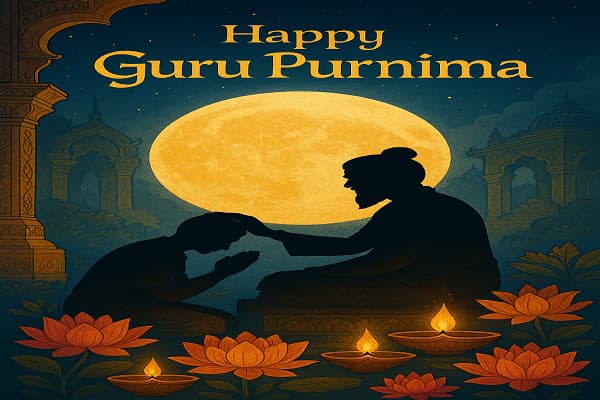
Spiritual Significance
Dispeller of Darkness
The Guru removes the darkness of ignorance and illuminates the path of self-realization and spiritual awakening.
Vyasa Purnima
Celebration of Sage Vyasa's contributions to spiritual literature and his role in preserving Vedic knowledge. Read more about Vyasa Puja & rituals.
Buddha's First Teaching
In the Buddhist tradition, this day is known as Dhammacakkappavattana Sutta Day. It commemorates the first sermon given by Gautama Buddha to his first five disciples (the Pancavaggiya monks) at Sarnath's Deer Park. This event laid the foundation of the Sangha (the community of monks) and is one of the most sacred days for Buddhists worldwide.
Gratitude Day
A day to express gratitude not only to spiritual teachers but also to academic mentors and anyone who guides us in life.
Traditional Observances
Guru Puja
Devotees perform special puja for their gurus, offering flowers, fruits, and chanting mantras such as a Guru mantra given by one's lineage to seek blessings. For how to do Guru Puja at home, clean the altar, place paduka or a photo of the Guru, offer flowers and naivedya, light a lamp, bow with gratitude, and follow your tradition's specific steps.
Spiritual Practices
Many observe fasts, practice meditation, and engage in spiritual discussions and satsangs throughout the day.
Study of Scriptures
Reading and studying spiritual texts, particularly works attributed to one's guru or traditional scriptures.
Satsang & Discourses
Gatherings where disciples listen to spiritual discourses, share experiences, and strengthen their spiritual bonds.
The Guru-Shishya Parampara
Lineage of Knowledge
The uninterrupted transmission of wisdom from teacher to student through generations
Sacred Bond
A relationship based on trust, devotion, and the sincere seeking of knowledge
Eternal Connection
The spiritual connection between guru and disciple transcends physical existence
Guru Purnima Gallery
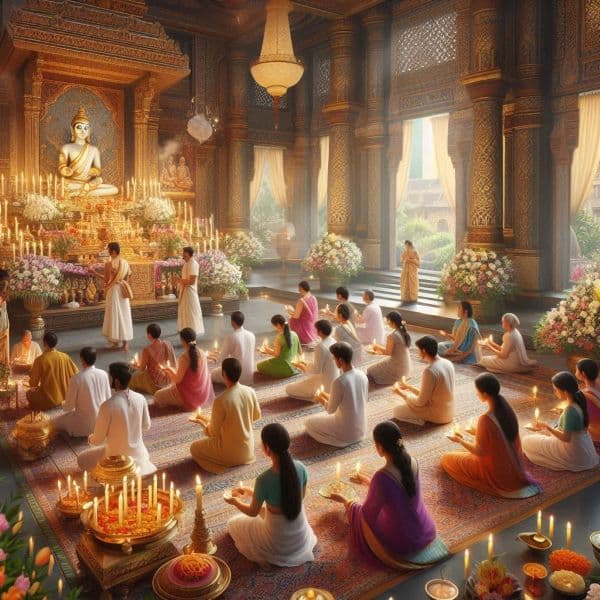
Guru Puja
Offering prayers to spiritual teachers

Meditation
Spiritual practices and contemplation
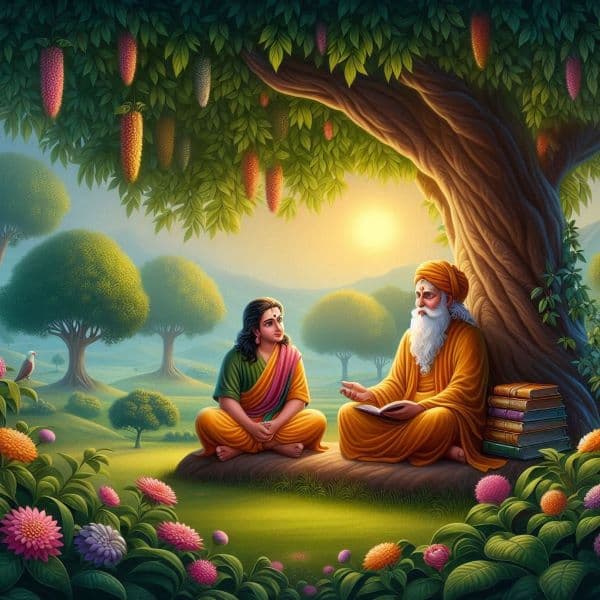
Scripture Study
Reading and studying sacred texts
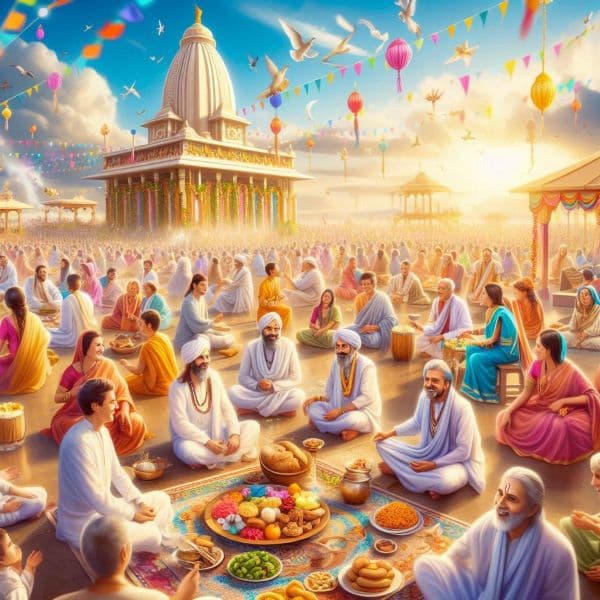
Satsang
Spiritual gatherings and discourses

Children Pray
Children offering prayers to their teacher
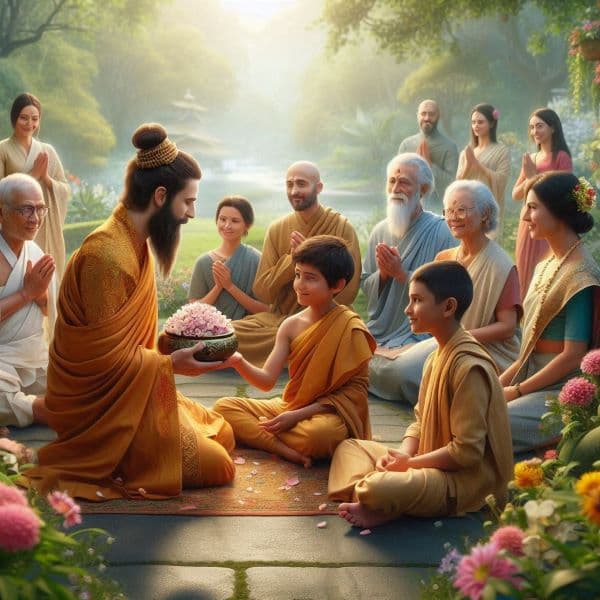
Blessings
Receiving guru's blessings and guidance
Guru Purnima in the Telugu Festival Calendar
Planning your Guru Purnima celebrations becomes easier when you see it in the wider sequence of Telugu observances. Families often compare customs from Ugadi, Sankranti, Rama Navami, Krishna Janmashtami to understand how seasonal rituals, fasting practices, and temple visits connect across the year.
For a broader cultural background, read About Telugu Festivals. That overview helps students and families understand how regional panchangam traditions shape puja timing, community events, and local variations from one festival page to another.
Explore Other Festivals
Discover the rich spiritual heritage through diverse festivals
Guru Purnima in Modern Times
Academic Mentors
Honoring teachers, professors, and academic guides who shape our intellectual growth
Professional Guides
Respecting mentors and seniors who guide us in our professional journeys
Life Teachers
Acknowledging anyone who teaches valuable life lessons and helps our personal growth
When Is Guru Purnima Celebrated?
Guru Purnima is celebrated on the full moon day (Purnima) of Ashadha month in the lunisolar calendar.
As a full-moon based observance, its date changes yearly in June or July in the Gregorian calendar.
Upcoming Guru Purnima Dates
- 2025: Friday, July 11
- 2026: Wednesday, June 30
- 2027: Sunday, June 20
Practical note: festival dates can differ by region, temple tradition, and the panchangam or calendar (amanta/purnimanta, drik/vakya) followed locally, so always confirm with your local almanac.
Frequently Asked Questions
Related Telugu Festivals
Explore more celebrations in the Telugu festival calendar such as Ugadi; Sankranti; Rama Navami; Krishna Janmashtami. You can also visit About Telugu Festivals for the complete seasonal context, traditions, and cultural background.