Celebrating Eternal Prosperity, Abundance, and New Beginnings
Believed to be the most auspicious day for new ventures and investments
Marks the beginning of the agricultural year in many regions
Acts of charity performed on this day are believed to bring eternal merit
Akṣaya Tritiya, also known as Akti or Akha Teej, is a highly auspicious day in Hinduism and Jainism that falls on the third tithi (lunar day) of the bright half (Shukla Paksha) of the Hindu month of Vaishakha. The word "Akṣaya" means "never diminishing" in Sanskrit, and the day is believed to bring eternal success and good fortune.
This festival is considered one of the most auspicious days of the Hindu calendar. Any meaningful activity started on this day is believed to grow and bring prosperity. It's particularly significant for:
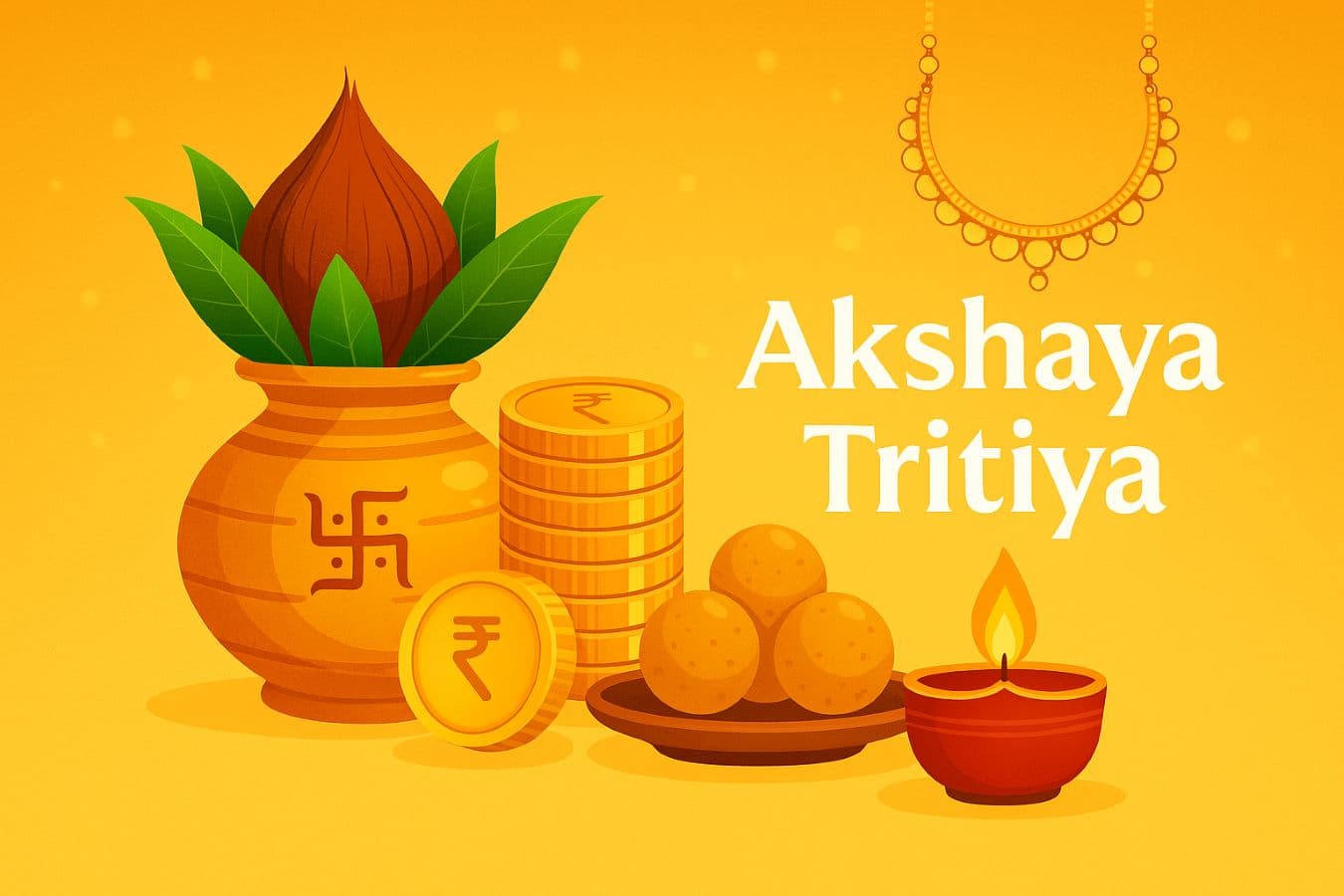
Happy Akṣaya Tritiya
Gold & Jewelry Purchases
Buying gold on Akṣaya Tritiya is considered extremely auspicious as it symbolizes growing prosperity and is believed to bring good luck throughout the year.
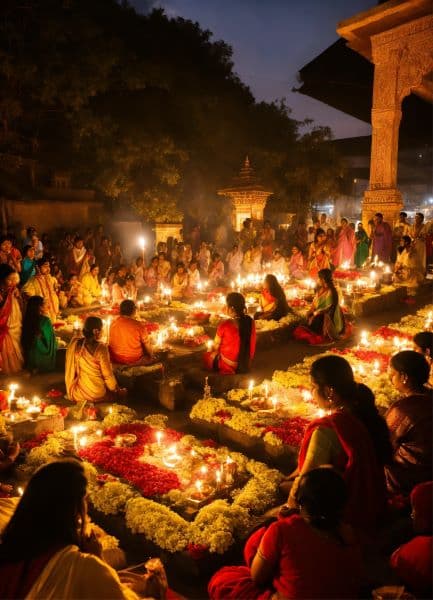
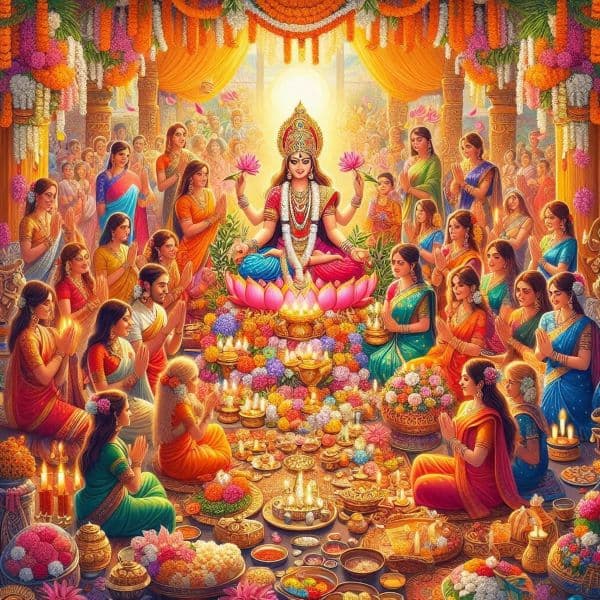
Devotees observe fasts, perform pujas, and offer prayers to Lord Vishnu and Goddess Lakshmi. Many also bathe in holy rivers, especially the Ganges.
Donating food, clothes, grains, and other essentials to the needy is considered highly meritorious on this day. The benefits of such acts are believed to be eternal.
Starting new businesses, signing important contracts, or making significant investments on Akṣaya Tritiya is believed to ensure their success and growth.
Several important events in Hindu mythology are associated with Akṣaya Tritiya:
In Jainism, Akṣaya Tritiya is celebrated to commemorate the first Tirthankara, Rishabhadeva. It marks the end of his one-year fast by consuming sugarcane juice poured into his cupped hands.
Unlike most Hindu festivals that have specific muhurtas (auspicious timings), the entire day of Akṣaya Tritiya is considered auspicious for all activities.

Akshaya Tritiya is observed on Shukla Paksha Tritiya (the third lunar day of the bright fortnight) in the month of Vaishakha in the Hindu lunisolar calendar.
Akshaya Tritiya is considered one of the most auspicious days in Hindu culture because any good deed or investment made on this day is believed to grow continuously without diminishing. The word "Akshaya" itself means "never decreasing".
Buying gold on Akshaya Tritiya is one of the most popular traditions. Gold represents wealth, purity, and long-term prosperity. It is believed that any gold purchased on this day will multiply and bring continuous financial growth.
The word "Akṣaya" is derived from Sanskrit and means "never diminishing" or "eternal". This signifies that the benefits of any good deeds, investments, or new beginnings started on this day are believed to be everlasting and continuously growing.
Gold symbolizes prosperity, wealth, and purity in Hindu culture. Purchasing gold on Akṣaya Tritiya is believed to bring continuous growth in wealth and financial stability. The tradition has both cultural and spiritual significance, representing the eternal nature of prosperity when initiated on this auspicious day.
Key rituals include:
Unlike many Hindu festivals that require specific muhurtas (auspicious timings), the entire day of Akṣaya Tritiya is considered auspicious. However, the Tritiya Tithi (lunar day) prevails during specific hours, and performing rituals during that time is considered especially beneficial. It's recommended to consult a local Panchang (Hindu calendar) for precise timings.
While Akṣaya Tritiya has its roots in Hinduism and Jainism, the universal principles of prosperity, charity, and new beginnings resonate across cultures. People from all backgrounds can participate in the spirit of the festival by engaging in acts of charity, setting positive intentions, or starting meaningful projects on this day.
Traditional foods include:
Akshaya Tritiya follows Hindu calendar calculations, so the Gregorian date changes annually. Use a reliable local panchangam for exact observance.
Regional calendars, local sunrise-based tithi rules, and temple customs can produce small date differences between places.
Track the expected month, check the confirmed tithi date, and plan puja items and family schedules a few days in advance.
Buying gold for prosperity and good fortune
Performing pujas and religious rituals
Giving to the needy for eternal merit
Different ornaments
Praying Godess Lakshmi
Making Jewellery
Planning your Akshaya Tritiya celebrations becomes easier when you see it in the wider sequence of Telugu observances. Families often compare customs from Ugadi, Sankranti, Rama Navami, Krishna Janmashtami to understand how seasonal rituals, fasting practices, and temple visits connect across the year.
For a broader cultural background, read About Telugu Festivals. That overview helps students and families understand how regional panchangam traditions shape puja timing, community events, and local variations from one festival page to another.
Discover the rich cultural heritage through diverse festivals
Begin the day with gratitude for what you have. Acknowledge the abundance already present in your life.
Donate to causes you believe in or help someone in need. The joy of giving multiplies prosperity.
Use this auspicious day to set clear, positive intentions for your personal and professional growth.
Explore more celebrations in the Telugu festival calendar such as Ugadi; Sankranti; Rama Navami; Krishna Janmashtami. You can also visit About Telugu Festivals for the complete seasonal context, traditions, and cultural background.