Naga Panchami - The Serpent Worship Festival
Honoring Snake Deities for Protection, Prosperity, and Harmony with Nature
Naga Panchami 2026: Date & Timings
Naga Panchami 2026
Friday, July 17, 2026
Panchami Tithi Starts: 09:08 AM on July 17, 2026
Panchami Tithi Ends: 06:52 AM on July 18, 2026
Puja Muhurat
Morning Puja Time: 07:30 AM to 09:30 AM
Afternoon Puja Time: 12:00 PM to 02:00 PM
*Timings for New Delhi, India. Confirm local panchangam.Upcoming Naga Panchami Dates (2025–2030)
| Year | Date | Day | Panchami Tithi (approx) |
|---|---|---|---|
| 2025 | July 30 | Wednesday | Morning of July 30 |
| 2026 | July 17 | Friday | Morning of July 17 |
| 2027 | August 6 | Friday | Morning of Aug 6 |
| 2028 | July 26 | Wednesday | Morning of July 26 |
| 2029 | August 14 | Tuesday | Morning of Aug 14 |
| 2030 | August 4 | Sunday | Morning of Aug 4 |
Serpent Worship
Reverence for snake deities (Nagas) to seek protection from snake bites and natural calamities
Protection Rituals
Performing pujas to safeguard families from dangers and bring prosperity
Nature Harmony
Celebrating the balance between humans and nature's creatures
About Naga Panchami
Naga Panchami is a traditional Hindu festival dedicated to the worship of snakes (Nagas) and snake deities. It is observed on the fifth day (Panchami) of the bright half (Shukla Paksha) of the lunar month of Shravana (July-August). The festival is particularly significant in India, Nepal, and other regions with Hindu populations.
This ancient festival symbolizes the harmonious relationship between humans and snakes, acknowledging their role in the ecosystem while seeking protection from snake bites. The day is marked by:
- Worship of live snakes or snake idols made of silver, stone, or wood
- Offerings of milk, flowers, and sweets to snake deities
- Drawing of snake images on walls and doors for protection
- Visiting snake temples and offering prayers
- Observing fasts and performing special rituals
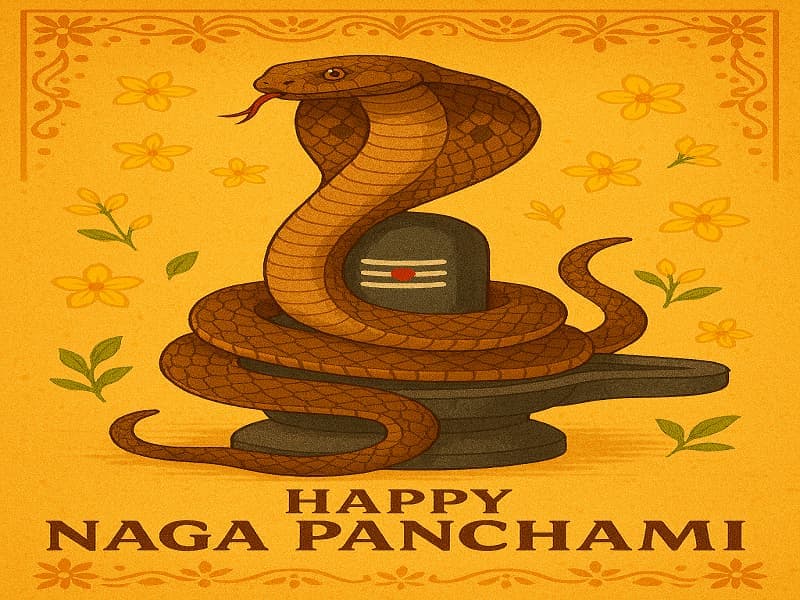
Naga Deity Worship
Milk Offering Ritual
Nag Panchami Vrat Katha (The Sacred Story)
The Story of King Janamejaya's Sarpa Satra
According to the Mahabharata, King Janamejaya, the son of Parikshit, organized a massive snake sacrifice (Sarpa Satra) to avenge his father's death. Parikshit had been bitten and killed by the serpent king Takshaka.
During the sacrifice, thousands of snakes fell into the sacrificial fire. The wise sage Astika, whose mother was a serpent, arrived at the sacrifice and praised King Janamejaya's ancestors. Pleased, the king offered Astika a boon. Astika requested that the snake sacrifice be stopped immediately.
Thus, the remaining snakes were saved, and the day the sacrifice stopped was Shukla Paksha Panchami of Shravana month. Since then, this day is celebrated as Naga Panchami.
Key Lesson
Forgiveness and compassion triumph over revenge and anger.
Alternative Legend: Lord Krishna and Kaliya
In another popular legend, Lord Krishna as a young boy subdued the deadly serpent Kaliya in the Yamuna river. Krishna danced on Kaliya's hoods, forcing him to leave the river and promise not to harm anyone. Worship of snakes on Naga Panchami commemorates this victory over evil.
Naga Panchami Puja Vidhi (Ritual Procedure)
Morning Rituals
- Wake up early during Brahma Muhurta (4:00–6:00 AM)
- Take a holy bath, preferably in a river or with Ganga water
- Clean the puja area and place snake idols or images
- Draw snake images on walls using turmeric or sandalwood paste
- Light a lamp with ghee or oil
Main Puja Rituals
- Offer milk, water, and flowers to snake idols
- Apply turmeric and kumkum to snake images
- Chant Naga mantras: "Om Sarpa Devaya Namah" (108 times)
- Offer sweets like kheer, peda, or fruits as prasad
- Read or listen to Nag Panchami Vrat Katha
- Donate food or money to Brahmins or the needy
Naga Mantra: "Om Nagrajay Vidmahe, Sarpa Dhamnay Dhimahi, Tanno Sarpa Prachodayat"
Sacred Offerings for Naga Panchami Puja
Milk
Raw milk offered to snake idols or at temples—avoid harming wild snakes; prefer idol worship.
Durva Grass
Sacred grass used in many Hindu rituals.
Eggs
Offered especially in some South Indian snake-temple traditions.
Red Flowers
Especially hibiscus flowers for snake deities.
Kheer
Sweet rice pudding as prasad.
Turmeric
Applied to snake images for purification.
Naga Panchami Rituals & Traditions
Snake Idol Worship
Devotees worship silver, stone, or wooden snake idols. Live snake worship is practiced in some regions where snake charmers bring cobras to temples.
Milk Offerings
Fresh milk is offered to snake idols or poured into snake holes. This ritual symbolizes nourishment and seeking protection from snake bites.
Wall Drawings
Images of snakes are drawn on walls, especially near entrances, using turmeric, sandalwood paste, or red vermilion to ward off evil and protect the household.
Temple Visits
Devotees visit prominent snake temples like the Mannarasala Temple in Kerala, Nagathamman Temple in Chennai, and others across India to offer special prayers.
Mythological Significance
Hindu Mythology
Several important legends are associated with Naga Panchami:
- The churning of the ocean (Samudra Manthan) where Vasuki, the king of serpents, served as the churning rope
- Lord Krishna's victory over the serpent Kaliya in the Yamuna river
- The story of Janamejaya's serpent sacrifice (Sarpa Satra) stopped by Astika
- Worship of Shesha Naga, the cosmic serpent on whom Lord Vishnu rests
Agricultural Importance
Snakes are considered protectors of crops as they control rodent populations. Farmers worship snakes to protect their fields and ensure good harvests, recognizing their ecological importance.
Protective Significance
Naga Panchami is believed to provide protection from:
- Snake bites and reptile-related dangers
- Evil influences and negative energies
- Natural calamities and misfortune
- Planetary afflictions (especially Rahu and Ketu)
Famous Snake Temples in India
Mannarasala Temple
Kerala — One of the most famous serpent temples with over 30,000 snake images
Nagathamman Temple
Chennai — Dedicated to snake deities; popular for Naga Dosha remedies
Kukke Subramanya
Karnataka — Lord Subramanya; associated with serpent worship and Sarpa Samskara
Nag Vasuki Temple
Uttar Pradesh — Dedicated to Vasuki, the king of serpents
Bhujang Naga Temple
Gujarat — Ancient temple with a large snake idol
Nagaraja Temple
Kerala — Dedicated to Nagaraja, the king of all Nagas
Astrological Significance: Rahu, Ketu & Naga Dosha
In Vedic astrology, snakes are associated with the shadow planets Rahu and Ketu. Worshiping snake deities on Naga Panchami is believed to:
- Mitigate the malefic effects of Rahu and Ketu in one's horoscope
- Reduce Naga Dosha (serpent affliction), often linked to delays in marriage and childbirth in traditional readings
- Support remedies for Kalasarpa Dosha patterns (when all planets lie between Rahu and Ketu)
- Bring relief from unexplained obstacles—always interpret charts with a qualified astrologer
Those experiencing difficulties in marriage, career, or health are sometimes advised to perform Naga Puja on this day.
Remedies for Naga Dosha
Visit snake temples
Offer milk to snake idols (ritually, not to harm wildlife)
Donate black sesame seeds
Recite Naga stotras
Regional Celebrations
Maharashtra & Gujarat
Women draw snake images on walls, offer milk to snake idols, and observe fasts for the well-being of their brothers.
South India
Extensive worship at snake temples, offering eggs and milk to live snakes, and special prayers at anthills where snakes reside.
West Bengal & Assam
Worship of Goddess Manasa, the serpent goddess, with elaborate rituals and community celebrations.
Naga Panchami Gallery
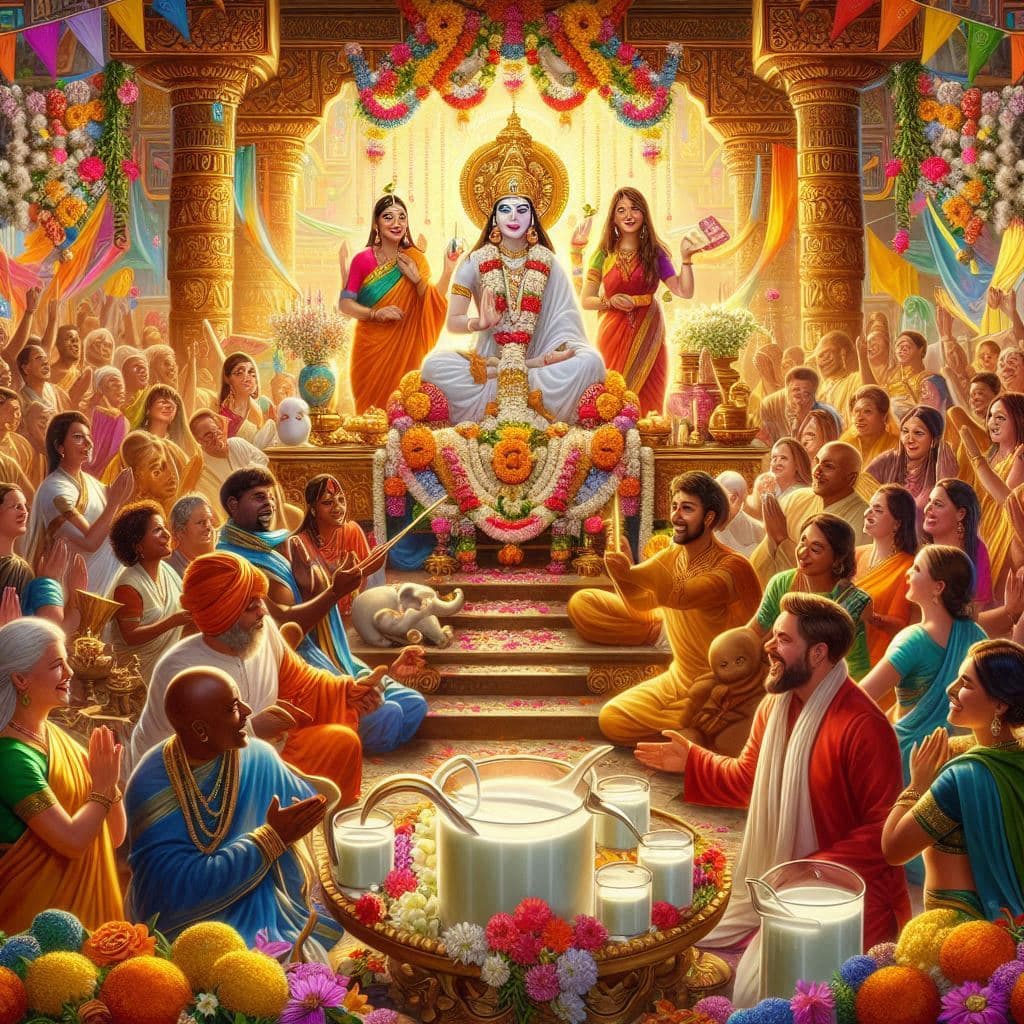
Serpent Deity Worship
Offering prayers to snake idols and images

Krishna-Snake
Lord Krishna with snake

Snake Temple Visits
Special prayers at prominent serpent temples
Milk Offerings
Traditional offering to snake deities

Family Rituals
Joint worship for family protection
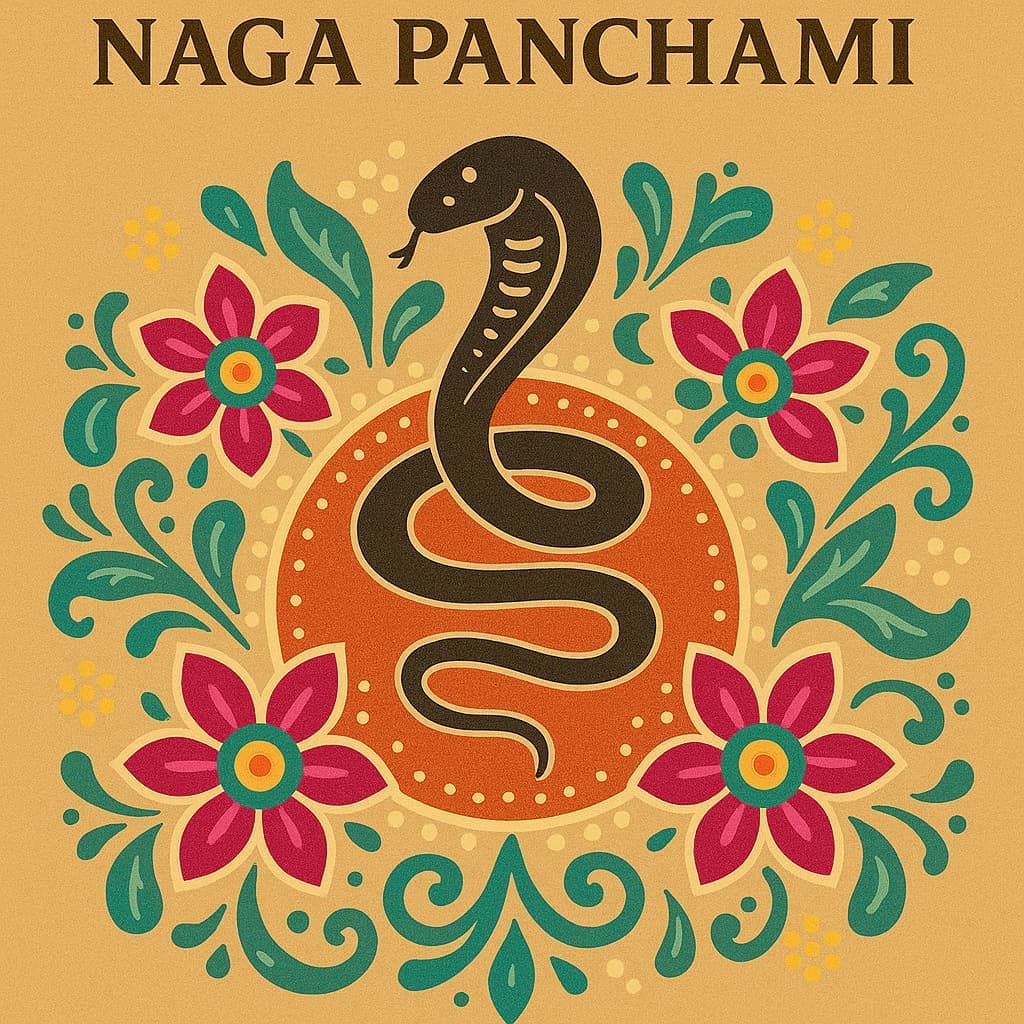
Nagapanchami Rangoli
Celebrating with rangoli
Do's and Don'ts for Naga Panchami
Do's
- Wake up early and take a holy bath
- Worship snake idols or images instead of harassing live snakes
- Offer milk, flowers, and sweets with devotion (prefer temple idols over wildlife)
- Read or listen to Nag Panchami Vrat Katha
- Donate food or support community needs when possible
- Visit snake temples if you can do so respectfully and safely
Don'ts
- Do not harm or capture wild snakes
- Do not pour milk into burrows in ways that endanger snakes or the environment
- Avoid non-vegetarian food if your family observes that custom for the day
- Do not use toxic or synthetic colors for wall drawings
- Do not ignore local forest or temple safety rules
Frequently Asked Questions
Why is Naga Panchami celebrated?
Naga Panchami is celebrated to worship snake deities (Nagas) for protection from snake bites, to honor their role in Hindu mythology, and to maintain ecological balance by recognizing the importance of snakes in controlling rodent populations. It's also believed to ward off evil and bring prosperity to families.
What are the main rituals performed on Naga Panchami?
Key rituals include:
- Worshiping snake idols or images with milk, flowers, and sweets
- Drawing snake images on walls near entrances
- Visiting snake temples and offering special prayers
- Observing fasts, especially by women for their brothers' well-being
- Offering milk to live snakes in controlled environments (in some regions)
- Listening to or reading stories about snake deities
Is it safe to offer milk to live snakes?
While traditionally milk was offered to live snakes, modern animal welfare guidelines recommend against this practice. Snakes are lactose intolerant and cannot properly digest milk, which can cause them health issues. Instead, devotees are encouraged to worship snake idols or images, or offer milk at snake temples where it is ritually poured over idols rather than given to live snakes.
What is the connection between Naga Panchami and astrology?
In Vedic astrology, the serpent deities are associated with Rahu and Ketu, the shadow planets. Worshiping snake deities on Naga Panchami is believed to mitigate the malefic effects of these planets in one's horoscope. It is especially recommended for those experiencing difficulties related to Rahu and Ketu in their astrological charts.
Which are the most important snake temples in India?
Important snake temples include:
- Mannarasala Temple, Kerala - One of the most famous serpent temples
- Nagathamman Temple, Chennai
- Bhujang Naga Temple, Gujarat
- Kukke Subramanya Temple, Karnataka
- Nagaraja Temple, Kerala
- Nag Panchami Temple, Ujjain, Madhya Pradesh
What foods are traditionally prepared on Naga Panchami?
Traditional foods include:
- Kheer (sweet rice pudding) - offered to snake deities and then consumed as prasad
- Milk-based sweets like peda, burfi, or rasgulla
- Fruit offerings, especially bananas and coconuts
- For those observing fast: fruits, milk, and vrat (fasting) special foods
- In some regions, special rice preparations with ghee
When is Naga Panchami celebrated each year?
Naga Panchami follows Hindu calendar calculations, so the Gregorian date changes annually. Use a reliable local panchangam for exact observance.
Why does the Naga Panchami date vary by location?
Regional calendars, local sunrise-based tithi rules, and temple customs can produce small date differences between places.
What is the best way to prepare for Naga Panchami?
Track the expected month, check the confirmed tithi date, and plan puja items and family schedules a few days in advance.
Naga Panchami in the Telugu Festival Calendar
Planning your Naga Panchami celebrations becomes easier when you see it in the wider sequence of Telugu observances. Families often compare customs from Ugadi, Sankranti, Rama Navami, Krishna Janmashtami to understand how seasonal rituals, fasting practices, and temple visits connect across the year.
For a broader cultural background, read About Telugu Festivals. That overview helps students and families understand how regional panchangam traditions shape puja timing, community events, and local variations from one festival page to another.
Explore Other Festivals
Discover the rich cultural heritage through diverse festivals
Modern & Meaningful Celebration
Ecological Awareness
Use Naga Panchami to learn about snake conservation and their importance in the ecosystem. Support wildlife protection initiatives.
Community Learning
Share the mythological stories and significance of Naga Panchami with younger generations to keep traditions alive.
Safe Practices
Celebrate in ways that respect both tradition and animal welfare. Worship idols or images instead of disturbing live snakes.
Related Telugu Festivals
Explore more celebrations in the Telugu festival calendar such as Ugadi; Sankranti; Rama Navami; Krishna Janmashtami. You can also visit About Telugu Festivals for the complete seasonal context, traditions, and cultural background.